
Introduction
The ability to say no is an important skill that helps us stay true to ourselves and maintain good mental health. It’s not just about turning down requests, but also about respecting our own needs and beliefs. When we set boundaries that prioritize our well-being, we create a solid foundation for a happy and fulfilling life.
When we take care of ourselves first, we can build genuine connections with others. Saying no allows us to conserve our energy and make room for the things that truly matter to us.
Every time we agree to something that doesn’t benefit us, we might be missing out on opportunities that align with our goals and values. By learning how to communicate our boundaries assertively, we can find greater happiness and authenticity in our lives.
This article will explore the various ways in which we can effectively express our boundaries and create a lifestyle that prioritizes our needs.
The Importance of Saying No
Saying no is an essential skill that directly impacts your mental well-being and personal integrity. When you constantly say yes, the consequences can be profound. Here’s how:
1. Consequences of Constantly Saying Yes
- You may find yourself overwhelmed with commitments that do not align with your interests or values.
- This can lead to feelings of resentment towards others and yourself.
- Chronic busyness often results in burnout, leaving little room for self-care or relaxation.
2. Impact on Mental Peace and Authenticity
- Saying yes when you truly want to say no can compromise your authenticity. You may feel trapped in a role that does not reflect who you are.
- The internal conflict created by this disconnect can disrupt your mental peace, leading to anxiety and stress.
- Authenticity fosters genuine connections. When you honor your boundaries, you naturally attract relationships that respect your needs.
3. Aligning Commitments with Personal Values
- Each commitment should resonate with your core values. Understanding what matters most to you aids in evaluating requests effectively.
- Aligning your commitments ensures that your time and energy are spent on pursuits that enrich your life rather than deplete it.
- By saying no, you preserve the ability to engage fully in activities that bring joy and fulfillment.
Recognizing the importance of saying no empowers you to reclaim your time and energy. It allows for a more authentic expression of self while protecting against the pitfalls of overcommitment. Understanding these aspects sets the foundation for healthier interactions and decision-making moving forward.
Understanding Boundaries
Boundaries are essential components of healthy relationships. They define the limits within which you feel safe, respected, and valued. Understanding the types of boundaries can help you navigate interactions more effectively.
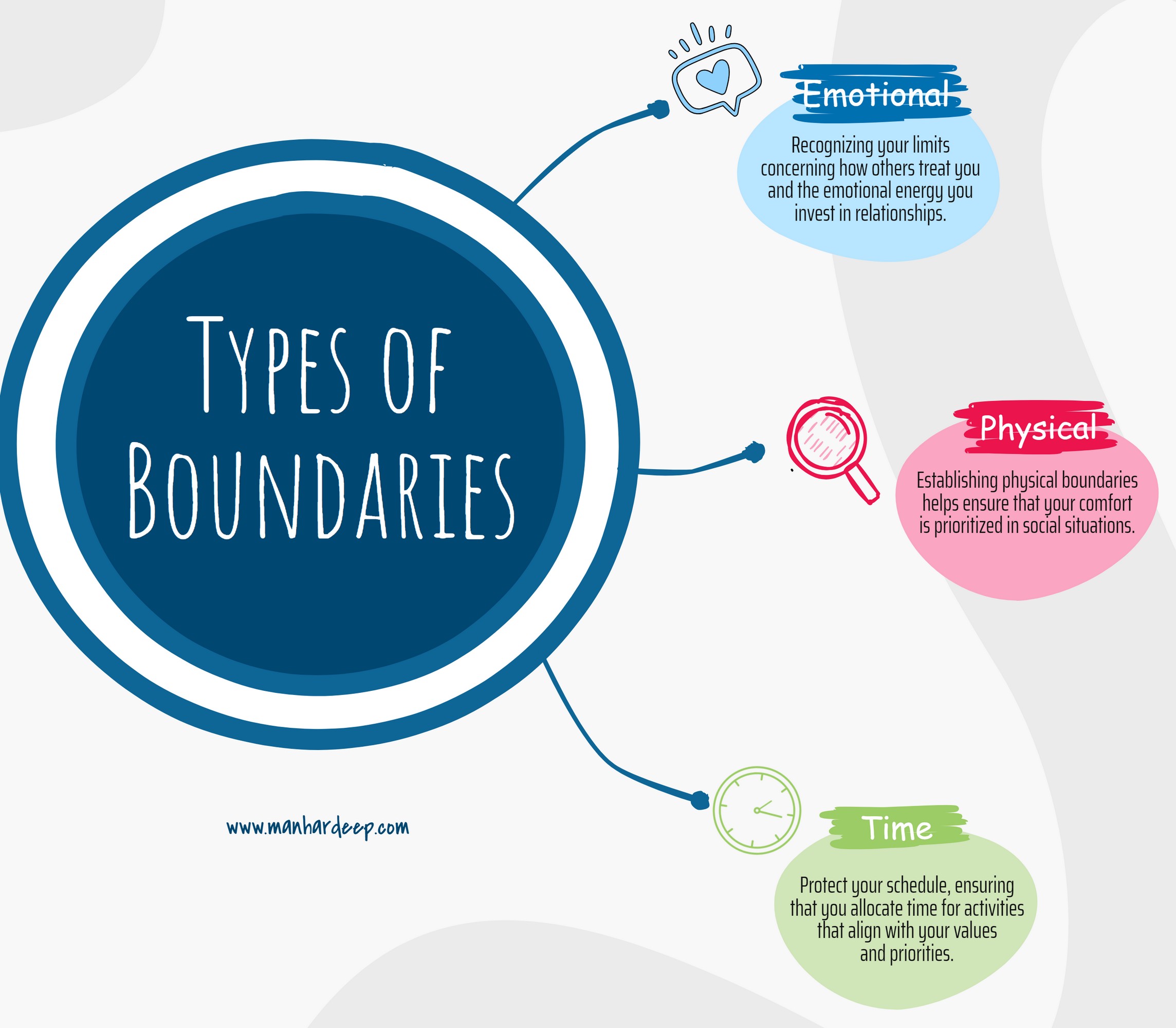
Types of Boundaries
- Emotional Boundaries: These involve your feelings and emotional well-being. Setting emotional boundaries means recognizing your limits concerning how others treat you and the emotional energy you invest in relationships.
- Physical Boundaries: These pertain to personal space and physical touch. Establishing physical boundaries helps ensure that your comfort is prioritized in social situations.
- Time Boundaries: Time is a finite resource. Setting these boundaries allows you to protect your schedule, ensuring that you allocate time for activities that align with your values and priorities.
Establishing boundaries reflects self-respect and authenticity. When you clearly communicate your limits, you convey that your needs matter. This self-honoring behavior fosters a sense of personal integrity and aligns with your authentic self.
Healthy relationships thrive on mutual respect for boundaries. Friends who respect your limits support your personal growth; they understand that honoring boundaries strengthens connections instead of weakening them. On the other hand, individuals who disregard your boundaries may not be worth the effort invested in the relationship.
Recognizing the interplay between boundaries and relationships is crucial for personal development. When you assertively establish and maintain limits, you create an environment where both parties can thrive. This balance fosters trust, encouraging open communication about needs and expectations.
Building awareness of your own boundaries will empower you in various aspects of life. You’ll find that defining what is acceptable to you enhances both personal fulfillment and relational harmony.
Strategies for Saying No Effectively
Saying no can be challenging, but mastering this skill is crucial for maintaining healthy boundaries. Here are effective strategies to help you decline requests with confidence and grace.
Techniques for Politely Declining Requests
- Express Gratitude: Start by thanking the person for considering you. This shows appreciation and softens the refusal. For example:
“Thank you so much for inviting me to your event. I truly appreciate it.”
- State Your Limitations: Clearly express your inability to fulfill the request without excessive justification. Keep it simple and straightforward:
“I won’t be able to attend due to prior commitments.”
- Offer Alternatives: If appropriate, suggest another time or way to connect. This demonstrates your willingness to maintain the relationship while still asserting your boundaries:
“I can’t make it this weekend, but let’s plan to catch up next month.”
Importance of Early Refusal
Declining requests early can significantly alleviate anxiety and stress associated with overcommitting. The longer you wait, the more pressure builds, making it harder to say no later on. Consider these benefits:
- Prevents Overwhelm: Responding promptly allows you to manage your schedule better, ensuring you have adequate time for personal priorities.
- Sets Clear Expectations: Early refusals help others understand your availability, reducing the likelihood of future last-minute requests.
- Reduces Guilt: The sooner you say no, the less likely you are to feel guilty about disappointing someone later on.
By using these techniques, you empower yourself in The Art of Saying No: Setting Boundaries for Better Living. Practicing polite refusals not only enhances your communication skills but also reinforces your commitment to personal well-being and authenticity.
Navigating Social Dynamics While Maintaining Boundaries
Saying no not only impacts your life but also shapes how others perceive you. When you consistently uphold your boundaries, you send a clear message about your self-respect and priorities. This can lead to various perceptions:
- Respect: People often admire those who can assert their needs without guilt. When you say no, it encourages a culture of mutual respect.
- Expectation Management: Friends and colleagues may adjust their expectations regarding your availability, leading to healthier interactions.
- Authenticity: Upholding your boundaries allows you to remain true to yourself, fostering deeper connections based on genuine understanding.
The relationship between boundary-setting and resource preservation is vital in maintaining personal integrity. Resources such as time, energy, and emotional well-being are finite. When you decline requests that do not align with your values or priorities, you:
- Protect Your Time: Saying no frees up time for activities or commitments that truly matter to you.
- Prevent Burnout: By establishing limits, you safeguard your mental peace, which enhances overall productivity and happiness.
- Encourage Healthy Relationships: Valuing your resources promotes relationships where both parties respect each other’s boundaries.
When navigating social dynamics, consider this: every time you say yes out of obligation rather than desire, you risk depleting those invaluable resources. Respecting your boundaries ultimately leads to healthier interactions and empowers others to reflect on their own boundary practices. This creates an environment where everyone feels empowered to communicate openly about their needs.
Recognizing these dynamics will assist in fostering relationships built on respect rather than obligation. Establishing clear boundaries is not just about saying no; it’s about cultivating an atmosphere of understanding and authenticity that benefits everyone involved.
Effective Scripts for Declining Requests Without Guilt or Shame
Navigating the challenge of saying no can be made easier with effective scripts. These concise responses help maintain relationships while honoring your boundaries. Here are some examples tailored for different situations:
Situational Scripts
Social Invitations:
- “Thank you for the invite! I have prior commitments and won’t be able to make it this time.”
Work Requests:
- “I appreciate you thinking of me, but I’m currently at capacity with my existing projects.”
Volunteering:
- “I admire the cause, but I can’t commit to additional responsibilities right now.”
Each script focuses on gratitude while clearly stating your inability to participate. This approach helps in balancing honesty with kindness.
Crafting Your Own Responses
When formulating your responses, consider these elements:
- Express Gratitude: Thank the person for considering you.
- State Your Limitation: Be clear about your inability to engage without excessive details.
- Offer Alternatives: If appropriate, suggest an alternative plan or express interest in future opportunities.
For instance:
“I really appreciate you reaching out. Unfortunately, I can’t join this time. Let’s catch up next month instead!”
Emphasizing Your Needs
The key lies in recognizing that no is a complete sentence. You do not owe anyone an explanation for prioritizing your well-being.
Use responses that affirm your boundaries without overwhelming yourself with guilt or shame. By practicing these scripts, you will gain confidence in asserting your needs while preserving important relationships.
Being direct yet kind allows you to remain authentic, reinforcing the notion that it’s perfectly acceptable to decline invitations or requests when they do not align with your priorities.
Civility vs. Politeness: The Key to Mastering Communication Skills for Boundary Assertion
Understanding the difference between civility and politeness is crucial when it comes to setting boundaries.
Distinguishing Between Civil Responses and Mere Politeness
- Politeness often manifests as surface-level niceties, designed to maintain social harmony. Examples include generic phrases like “I’ll think about it” or “Maybe next time.” These responses can sometimes lack authenticity and leave both parties feeling unsettled.
- Civility, on the other hand, involves a deeper level of respect and consideration for the other person’s feelings while maintaining your own boundaries. It requires honesty and clarity without sacrificing kindness. A civil response might sound like, “I appreciate your invitation, but I need to prioritize my personal time right now.” This approach respects both your needs and the requester’s feelings.
The Effort and Vulnerability Involved in Genuine Communication
Engaging in genuine communication entails vulnerability. By expressing your true feelings and needs, you open yourself up to possible discomfort. This effort can be daunting but is essential for healthy relationships.
Benefits of Genuine Communication
- Establishes trust in relationships
- Encourages mutual respect
- Clarifies intentions for all parties involved
When you communicate with civility, you affirm not just your boundaries but also the relationship’s integrity. You foster an environment where both individuals feel heard and respected.
Setting boundaries through civil communication reflects self-respect. This practice aligns closely with living authentically and helps cultivate relationships that honor your needs while respecting others. Embracing this shift from mere politeness to genuine civility empowers you in the art of saying no effectively.
Considering Your Future Self Before Committing: A Game-Changer in Decision-Making Process
Reflecting on your future self when faced with commitments can greatly impact your decision-making process. This practice encourages you to consider how a choice will affect your emotional and mental well-being later on. By visualizing future scenarios, you gain clarity about whether an obligation aligns with your values and priorities.
Importance of Reflecting on Future Feelings
- Anticipate Emotional Outcomes: Picture how saying yes will make you feel weeks or months later. Will it lead to stress, resentment, or joy? This foresight allows for informed decisions.
- Align with Personal Values: Consider if the commitment resonates with your core beliefs. Engaging in activities that conflict with your values can lead to dissatisfaction and discontent.
Techniques for Evaluating Requests Before Responding
- The 24-Hour Rule: When confronted with a request, take a day to reflect before responding. This pause allows emotions to settle and provides time for thoughtful consideration.
- List Pros and Cons: Create a simple list outlining the benefits and drawbacks of accepting the commitment. This method visually clarifies whether the request supports your goals or hinders them.
- Future Self Visualization: Spend a moment imagining yourself in the future, having accepted or declined the request. How do you feel? Use this visualization as a guide in your decision-making.
- Consult Trusted Friends: Reach out to those who understand your values. They can provide external perspectives that may help you see the situation more clearly.
By incorporating future self consideration into your decision-making process, you empower yourself to make choices that honor your time, resources, and emotional health. This practice not only reinforces personal boundaries but also nurtures authentic relationships built on mutual respect and understanding.
Empowerment Through Saying No: Building Confidence and Asserting Your Needs
Saying “no” can be a powerful act of empowerment. It serves as a statement of your priorities and values, allowing you to take control of your time and energy.
“No” as a Complete Sentence
When you understand that “no” is a complete sentence, you liberate yourself from the need for justification. This realization can be transformative. You do not owe anyone an explanation for your decision to decline a request. Embracing this concept fosters self-respect and reinforces the importance of your own needs.
Example: Instead of saying, “I’m really busy,” simply stating, “No, I can’t do that,” demonstrates clarity and confidence in your boundaries.

Building Confidence Through Practice
Confidence grows with practice. The more you assert your boundaries by saying no, the easier it becomes over time. Each experience reinforces your ability to communicate effectively without feeling guilty or anxious.
- Start Small: Begin by declining minor requests. This can be as simple as turning down an invitation or saying no to an unnecessary favor.
- Reflect on Experiences: After each refusal, consider how it felt. Did you feel relief? Empowered? These reflections will help solidify your confidence and encourage future boundary-setting.
Key Benefits of Empowerment
Establishing boundaries through saying no leads to:
- Mental Clarity: Reducing commitments frees up mental space.
- Improved Relationships: Authentic connections thrive when both parties respect boundaries.
- Increased Focus on Goals: Prioritizing personal needs allows for aligned actions toward aspirations.
By practicing the art of saying no, you foster a sense of empowerment that extends beyond day-to-day interactions. This mindset shift not only protects your energy but also sets a standard for how others engage with you.
Conclusion
Mastering The Art of Saying No: Setting Boundaries for Better Living is essential for creating a fulfilling life. Prioritizing personal needs and protecting your energy should be at the forefront of your decision-making process.
Consider these key takeaways:
- Personal Needs Matter: Recognize that neglecting your own needs leads to burnout and dissatisfaction. Make choices that honor your well-being.
- Healthy Boundaries Foster Authentic Relationships: Establishing and maintaining boundaries invites respect from others. Genuine connections thrive when both parties understand and appreciate each other’s limitations.
- Empowerment Through Refusal: Embrace the power of saying no as an affirmation of self-worth. When you assertively express your limits, you cultivate confidence and clarity in all aspects of life.
By actively engaging in boundary-setting, you enhance not only your own mental peace but also contribute positively to the dynamics of your relationships. The practice of saying no is not just a skill; it is a vital tool for living authentically and ensuring that every commitment aligns with your values. Prioritize yourself, protect your energy, and watch as you build deeper, more meaningful connections with those around you.
FAQs (Frequently Asked Questions)
What is the significance of saying no in our daily lives?
Saying no is crucial for maintaining mental well-being and personal integrity. It helps prevent burnout and allows individuals to align their commitments with their personal values, ultimately leading to a more fulfilling life.
How can I effectively set boundaries in my relationships?
Setting boundaries involves understanding different types of boundaries—emotional, physical, and time-related. By clearly defining these boundaries, you reflect self-respect and authenticity, which are essential for healthy relationships.
What strategies can I use to decline requests politely?
To decline requests effectively, express gratitude for the opportunity while stating your inability to commit. Early refusal can also help manage anxiety and maintain clarity in your decision-making process.
How does saying no affect social dynamics and perceptions?
Saying no can influence how others perceive you, often leading them to respect your boundaries more. It also plays a role in resource preservation by ensuring you don’t overextend yourself.
Can you provide examples of effective scripts for saying no without feeling guilty?
Certainly! Examples include: ‘Thank you for thinking of me, but I can’t commit at this time,’ or ‘I appreciate the offer, but I need to focus on my current priorities.’ These responses balance honesty with kindness.
Why is it important to consider my future self before making commitments?
Reflecting on how a commitment will affect your future self is vital in the decision-making process. This technique helps evaluate requests more thoughtfully, ensuring that your choices align with your long-term goals and well-being.
 Manhardeep Singh
Leave a comment