
Introduction
Burnout is a state of emotional, physical, and mental exhaustion caused by prolonged stress and overwhelming responsibilities. It can significantly impact your work-life balance, leading to feelings of detachment and a diminished sense of accomplishment.
Understanding burnout’s effects:
- Emotional exhaustion
- Physical fatigue
- Lack of motivation
- Difficulty concentrating
Experiencing burnout can leave you feeling stuck in a cycle of negativity, impacting both your professional and personal life.
This article will guide you through practical strategies to overcome burnout and restore balance in your life. You will learn about:
- Identifying signs and causes of burnout
- Prioritizing self-care for recovery
- Setting boundaries to maintain balance
- Seeking support from others
Rebuilding your energy and reclaiming your well-being is possible. By exploring these strategies, you can take the necessary steps towards transforming your life from burnout to balance.
In addition, embracing the 12 Laws of the Universe could provide valuable insights into achieving this transformation. These laws serve as guiding principles that can help reshape your mindset, enhance your resilience, and ultimately aid in overcoming burnout.
Understanding Burnout
Burnout is a state of emotional, physical, and mental exhaustion that arises from prolonged exposure to stressors. It goes beyond general fatigue or temporary stress, often resulting in a sense of detachment from work and personal responsibilities. Recognizing the characteristics of burnout can aid in identifying it early on, allowing for timely intervention.
Definition and Characteristics
- Emotional Exhaustion: A feeling of being drained and overwhelmed, leading to decreased emotional capacity.
- Mental Fatigue: Difficulty concentrating or focusing on tasks due to relentless demands.
- Detachment: Increased cynicism towards work and reduced feelings of accomplishment.
Common Symptoms
Burnout manifests through various symptoms that negatively impact your daily life:
- Constant Tiredness: A pervasive sense of fatigue that sleep does not alleviate.
- Irritability: Heightened frustration over minor issues, affecting relationships with colleagues and loved ones.
- Lack of Motivation: A significant decline in enthusiasm for tasks that were once enjoyable or fulfilling.
Difference Between General Stress and Burnout
Understanding the distinction between stress and burnout is crucial for effective recovery strategies. General stress may involve short-term responses to specific challenges, while burnout represents a deeper level of emotional depletion.
- Stress: Characterized by situational pressure; may lead to increased productivity in the short term.
- Burnout: Develops over time due to chronic stress; results in feelings of ineffectiveness and emptiness.
Recognizing these differences enables you to identify when you are moving from general stress into the territory of burnout. Awareness is the first step toward reclaiming your energy and restoring balance in your life.
Causes and Signs of Burnout
Burnout is often the result of various contributing factors, particularly in the workplace. Understanding these causes can help you recognize when burnout is approaching and take proactive steps to prevent it.
Common Causes of Burnout
1. Excessive Workloads
A heavy workload is one of the most prevalent causes. Constantly juggling multiple tasks or projects can lead to feelings of overwhelm. Monotonous tasks can also contribute, as repetitive work without variation can drain motivation and engagement.
2. Lack of Recognition
When your efforts go unnoticed, it can foster feelings of inadequacy and a lack of value in your role. This absence of acknowledgment can be demoralizing. Insufficient support from management or colleagues can exacerbate feelings of isolation and stress.
3. Personality Traits
Certain personality traits increase susceptibility to burnout, particularly perfectionism. Individuals who set excessively high standards for themselves may struggle with feelings of failure when those standards aren’t met. Type A personalities often experience intense pressure to achieve, which can lead to chronic stress and eventual burnout.
4. Workplace Culture
A toxic or unsupportive workplace culture fosters burnout by promoting unrealistic expectations or encouraging overwork without breaks. Environments that lack open communication or opportunities for feedback can leave employees feeling undervalued and disconnected.
Identifying Signs of Burnout
Recognizing the signs of burnout early is crucial for effective recovery. Symptoms manifest physically and emotionally.
Physical Symptoms
- Constant fatigue is a primary indicator of burnout, where even minor tasks feel exhausting.
- Sleep disturbances such as insomnia or restless sleep are common as well.
- Headaches, gastrointestinal issues, and changes in appetite may also signal that your body is responding negatively to stress.
Emotional Symptoms
- Irritability is a frequent emotional response, where minor annoyances feel magnified.
- You may find yourself snapping at colleagues or loved ones without cause.
- Feelings of inadequacy or hopelessness often arise, leading to decreased motivation and disconnection from both work and personal commitments.
Recognizing these symptoms early on allows you to address the root causes effectively. By understanding what contributes to burnout, you empower yourself to make meaningful changes before reaching a breaking point.
The Recovery Process from Burnout
Prioritizing Self-Care
Recovering from burnout involves navigating through various recovery stages, with self-care as a cornerstone of the process. Emphasizing self-care strategies can significantly influence your mental and physical health during this critical time.
Quality Sleep
Understanding the importance of quality sleep cannot be overstated. Sleep hygiene plays a pivotal role in recovery, allowing your body and mind to rejuvenate. Here are some essential practices to enhance sleep quality:
- Establish a Sleep Schedule: Go to bed and wake up at the same time each day, even on weekends.
- Create a Restful Environment: Keep your bedroom dark, quiet, and cool to promote better sleeping conditions.
- Limit Stimulants: Avoid caffeine and electronic devices before bedtime to help signal your body that it’s time to wind down.
Improving sleep will not only reduce feelings of fatigue but also enhance cognitive function and emotional regulation.
Mindfulness Practices
Incorporating mindfulness techniques such as meditation and yoga can greatly reduce stress levels during recovery. These practices encourage you to remain present, fostering a sense of calm and clarity. Consider the following approaches:
- Meditation: Start with just a few minutes each day. Focus on your breath or use guided meditations available through various apps.
- Yoga: Engage in gentle yoga sessions that focus on breathing and stretching. This activity harmonizes the mind and body, reducing tension while improving flexibility.
Mindfulness not only alleviates stress but also cultivates self-awareness, allowing you to recognize triggers associated with burnout.
Reconnecting with Hobbies
Rediscovering hobbies is another vital aspect of rebuilding energy. Engaging in activities that bring you joy can serve as a powerful antidote to burnout. Hobbies act as outlets for creativity and provide opportunities for relaxation. Consider these suggestions:
- Artistic Pursuits: Drawing, painting, or crafting can evoke feelings of accomplishment while allowing for self-expression.

- Physical Activities: Hiking, dancing, or gardening can elevate mood through physical movement while connecting you with nature.
- Social Engagements: Joining clubs or community groups centered on shared interests fosters social connections that are essential for support systems during recovery.
Hobbies are more than just leisure activities; they play a crucial role in restoring balance in your life by providing an escape from daily stressors.
Implementing these self-care strategies creates a solid foundation for recovery from burnout. Quality sleep enhances overall well-being, mindfulness practices reduce stress levels, and reconnecting with hobbies reintroduces joy into daily life. Each component works synergistically to rebuild your energy reserves while guiding you toward a more balanced lifestyle.
As you progress through your recovery journey from burnout, remember that patience and consistency are key elements in restoring equilibrium.
Setting Boundaries for Work-Life Balance
Establishing clear boundaries between work and personal life is crucial in your recovery stages from burnout. This long-term strategy can significantly reduce the risk of recurrence, allowing you to rebuild your life and energy effectively.
Key Techniques for Maintaining Boundaries:
- Designate Work Hours: Clearly define when your workday begins and ends. Communicate these hours with colleagues to set expectations.
- Limit After-Hours Communication: Consider implementing a policy where you do not check work emails or messages after hours. Use email settings that allow you to pause notifications during personal time.
- Create a Dedicated Workspace: If working from home, establish a specific area that is solely for work. This physical separation helps signal the end of the workday when you step away from that space.
- Utilize Technology Wisely: Set “do not disturb” modes on your devices during personal time to minimize distractions.
- Prioritize Personal Time Management: Plan daily activities that are non-work-related, such as hobbies or family time, ensuring they are as important as your job commitments.
The Role of Support Systems
Engaging with friends and family can reinforce these boundaries. They can be instrumental in helping you stick to your defined work-life balance. Sharing your goals with them creates accountability, making it easier to prioritize personal time.
By emphasizing these strategies, you take significant steps towards achieving a healthier balance. Acknowledging burnout is merely the first step; actively managing work-life boundaries is what sustains recovery. As you implement these practices, consider how they align with other self-care strategies like sleep hygiene and mindfulness practices. Balancing professional responsibilities with personal interests not only enhances your well-being but also fosters resilience against future burnout episodes.
Seeking Support on Your Journey to Balance
Rebuilding your life after experiencing burnout requires a strong support system. Social connections with friends and family can provide emotional support and encouragement throughout the recovery stages. It’s essential to lean on those around you, as they can help you:
- Feel understood: Sharing your feelings with someone who listens can alleviate feelings of isolation.
- Gain perspective: Friends and family can offer insights or different viewpoints that may help you see your situation more clearly.
- Encourage self-care: Loved ones can remind you to take breaks, prioritize sleep hygiene, and engage in mindfulness practices.
As you navigate this journey, recognizing when to seek professional help is crucial. Therapists or coaches can offer specialized guidance tailored to your needs. Consider reaching out for professional support if you notice:
- Persistent feelings of hopelessness or detachment from daily activities.
- Difficulty managing stress despite implementing self-care strategies.
- A lack of improvement in mood or energy levels over time.
Engaging with a professional provides structured techniques to rebuild balance, such as cognitive-behavioral strategies to address negative thought patterns or coping mechanisms for stress management.
Incorporating activities that ignite your passions can also be transformative during recovery. Reconnecting with hobbies not only offers joy but serves as an effective distraction from stressors. Group classes or community activities related to these interests can further enhance social interactions and build resilience against future burnout episodes.
Finding the right balance between seeking support from loved ones and professionals enables a comprehensive approach to recovery. By actively engaging in both personal relationships and professional guidance, you lay the groundwork for a sustainable path towards healing and renewed energy.
Building Resilience Against Future Burnout Episodes
Lifestyle Adjustments for Long-Term Balance
Rebuilding your life after burnout requires a proactive approach that includes lifestyle adjustments. Two key areas to focus on are nutrition and screen time management.
Nutrition: Fueling Your Energy and Mood
A well-balanced diet plays a crucial role in sustaining energy levels and stabilizing mood. The right nutrition can prevent feelings of fatigue and irritability, which are common symptoms of burnout. Consider the following strategies:
- Incorporate Whole Foods: Emphasize fruits, vegetables, whole grains, lean proteins, and healthy fats. These foods provide essential nutrients that support brain health and energy levels.
- Stay Hydrated: Dehydration can lead to fatigue and cognitive issues. Aim for adequate water intake throughout the day to keep your mind sharp and your body energized.
- Mindful Eating Practices: Pay attention to hunger cues and eat slowly. Mindful eating fosters a better relationship with food, allowing you to enjoy meals without distractions.
- Limit Processed Foods: High-sugar or high-fat processed foods may provide temporary energy boosts but can lead to crashes. Opt for nutrient-dense alternatives that promote sustained energy release.
Adjusting your diet is not just about what you eat but also how you approach food. By reframing attitudes towards nutrition, you can view it as a form of self-care rather than a mere obligation. This mindset shift encourages healthier choices that contribute positively to your recovery journey.

Screen Time Management: Enhancing Sleep Quality
In today’s digital age, managing screen time is essential for mental well-being. Excessive exposure to screens, especially before bed, can disrupt sleep patterns and exacerbate feelings of stress or anxiety. Implement these practices:
- Establish a Digital Curfew: Set a specific time each evening to turn off all screens—phones, tablets, computers—to signal to your body that it’s time to wind down.
- Engage in Screen-Free Activities: Opt for reading a book, practicing mindfulness techniques like meditation or yoga, or engaging in hobbies that do not involve screens. This transition helps create a relaxing environment conducive to better sleep.
- Create a Relaxing Bedtime Routine: Incorporate calming activities before bed such as gentle stretching or journaling. A consistent routine signals your body that it’s time for rest.
- Limit Notifications Before Sleep: Disable notifications during the night to avoid interruptions that could disrupt your sleep cycle.
By managing screen time effectively, you enhance not only the quality of your sleep but also your overall well-being. Improved sleep leads to better mood regulation and increased resilience against stressors.
Cultivating Coping Mechanisms
Building resilience against future burnout episodes involves developing effective coping mechanisms:
- Practice Gratitude: Regularly acknowledging what you are thankful for can improve mood and help shift focus from negative thoughts.
- Engage in Regular Physical Activity: Exercise has been shown to reduce stress levels and improve mood through the release of endorphins.
- Connect with Supportive Individuals: Surround yourself with friends or family members who uplift you. Engaging in conversations about feelings and experiences fosters emotional resilience.
Reframing attitudes toward challenges is another integral aspect of resilience-building. Instead of viewing setbacks as insurmountable obstacles, consider them as opportunities for learning and growth.
Implementing these lifestyle adjustments creates a solid foundation for long-term balance in your life post-burnout. Prioritizing nutrition while managing screen time effectively enhances both physical health and emotional stability, setting the stage for sustainable recovery and resilience against future burnout episodes
Crafting Daily Routines That Foster Balance
Designing daily routines that balance work responsibilities and personal self-care is essential for long-term well-being. Effective coping mechanisms can help you navigate the challenges of life while preventing burnout from recurring. Consider implementing the following practical tips:
1. Set Clear Priorities
At the start of each day, identify your top three tasks that must be completed. This focus helps you manage your workload without feeling overwhelmed by a lengthy to-do list.
2. Incorporate Mindful Eating
Nutrition plays a vital role in maintaining your energy levels throughout the day. Schedule regular meal breaks where you can enjoy wholesome foods without distractions. This mindful approach enhances your relationship with food and supports mental clarity.
3. Establish Boundaries for Work Hours
Define specific times for work-related activities and personal time. Communicate these boundaries to colleagues and family members to foster respect for your off-hours, reducing the risk of burnout.
4. Limit Screen Time
Designate tech-free periods during your day, especially before bed. Engaging in screen time management improves sleep quality, which is crucial for mental health and recovery.
5. Integrate Self-Care Activities
Allocate time within your daily routine for activities that rejuvenate you, such as reading, exercising, or pursuing hobbies. These moments of self-care serve as restorative pauses in your busy schedule.
6. Reflect on Your Attitudes
Reframe your perspective towards both work and personal commitments. Emphasizing growth over perfection can alleviate pressure and enhance fulfillment in daily tasks.
Creating a balanced routine involves intentionality and flexibility. Adapting these strategies will empower you to cultivate a lifestyle that promotes resilience against future instances of burnout. By prioritizing both responsibilities and self-care, you lay the groundwork for sustained energy and overall well-being.
Celebrating Your Progress Towards Balance
Recognizing and celebrating your progress during the recovery from burnout can significantly enhance your mental well-being. Each small milestone achieved represents a step toward restoring balance in your life. Acknowledging these victories fosters a sense of accomplishment, reinforcing positive behaviors and motivating you to continue on your path to recovery.
The Benefits of Acknowledging Your Progress
Consider these benefits of celebrating progress:
- Boosts Motivation: Recognizing achievements, no matter how minor, encourages persistence.
- Enhances Self-Esteem: Celebrating progress instills confidence in your ability to overcome challenges.
- Reduces Stress: Gratitude practice shifts your focus from what’s lacking to what’s been accomplished, alleviating feelings of inadequacy.
Incorporating a gratitude practice into your daily routine can amplify these benefits. Take time each day to reflect on:
- Achievements that made you feel good
- Positive interactions with others
- Moments that brought you joy or peace
By intentionally focusing on the positives, you create a mindset that supports continued growth and resilience. This approach not only aids in recovering from burnout but also builds a foundation for long-term balance and well-being.
Conclusion: Embracing Balance in Life After Burnout
Embracing the journey towards a balanced life post-burnout is crucial for long-term well-being. Here are key takeaways:
- Acknowledge Your Journey: Recognize that recovery is a process filled with ups and downs. Celebrate each step you take towards balance.
- Prioritize Self-Care: Continue to engage in activities that promote mental and physical health, such as sleep, exercise, and mindfulness practices.
- Maintain Boundaries: Establish clear lines between work and personal life to prevent future burnout.
- Seek Support: Don’t hesitate to reach out to friends, family, or professionals when needed.
As you navigate from burnout to balance, remember that rebuilding your life and energy takes time. Commit to the journey ahead. Your well-being is worth it.
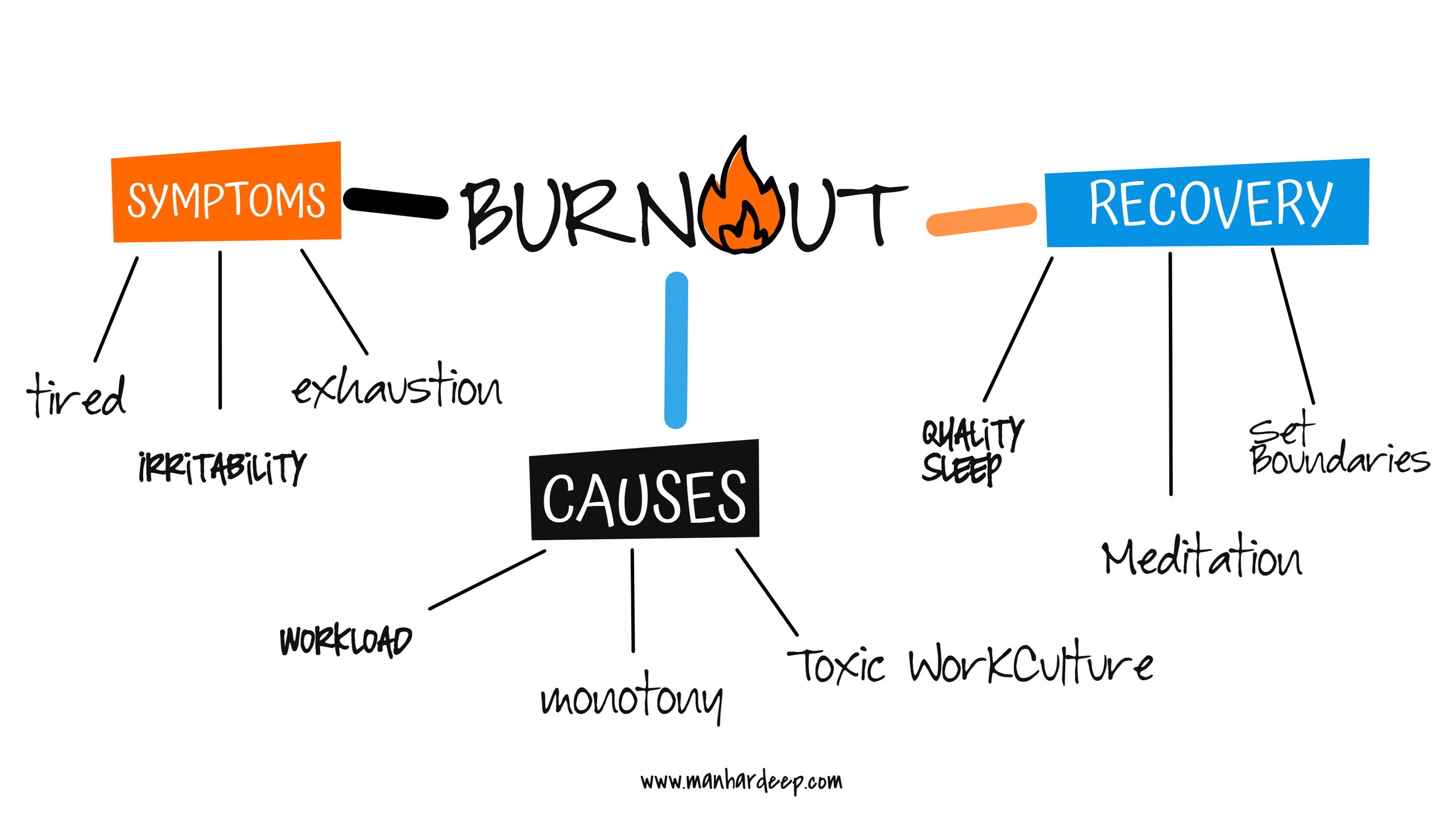
FAQs (Frequently Asked Questions)
What is burnout and how does it affect work-life balance?
Burnout is a state of emotional, mental, and physical exhaustion caused by prolonged stress, often leading to feelings of overwhelm and detachment. It significantly impacts work-life balance by making it difficult to manage responsibilities effectively, resulting in reduced productivity and increased irritability.
What are the common symptoms of burnout?
Common symptoms of burnout include constant tiredness, irritability, lack of motivation, emotional exhaustion, mental fatigue, and feelings of inadequacy. Recognizing these signs early is crucial for effective recovery.
What causes burnout in the workplace?
Burnout can be caused by excessive workloads, lack of recognition, monotonous tasks, and certain personality traits like perfectionism. Additionally, a toxic workplace culture can exacerbate these factors.
How can I prioritize self-care during recovery from burnout?
Prioritizing self-care involves ensuring quality sleep through good sleep hygiene, practicing mindfulness techniques such as meditation and yoga to reduce stress levels, and reconnecting with hobbies that bring joy and relaxation.
What strategies can help maintain work-life balance after experiencing burnout?
Establishing clear boundaries between work and personal life is essential. This includes managing work-related communications after hours and setting aside personal time dedicated to self-care activities.
When should I seek professional help for burnout recovery?
If you find it challenging to cope with burnout on your own or if symptoms persist despite self-care efforts, it may be beneficial to seek professional help from therapists or coaches who can provide additional support on your journey towards balance.
 Manhardeep Singh
Leave a comment