• Transform Your Average Days: Mindset Shifts That Make a Difference

    Introduction

    Mindset shifts are fundamental changes in how you see and understand experiences. They are important in shaping your daily life. A positive mindset can turn ordinary days into amazing ones by:

    • Enhanced Resilience: Seeing challenges as opportunities.
    • Increased Gratitude: Appreciating both the mess and beauty of life.
    • Personal Empowerment: Focusing on what you can control.

    When you master your mindset, you open up the possibility for personal transformation, leading to greater satisfaction and fulfillment in everyday activities. By embracing these shifts, you gain new perspectives that can completely change how you approach life.

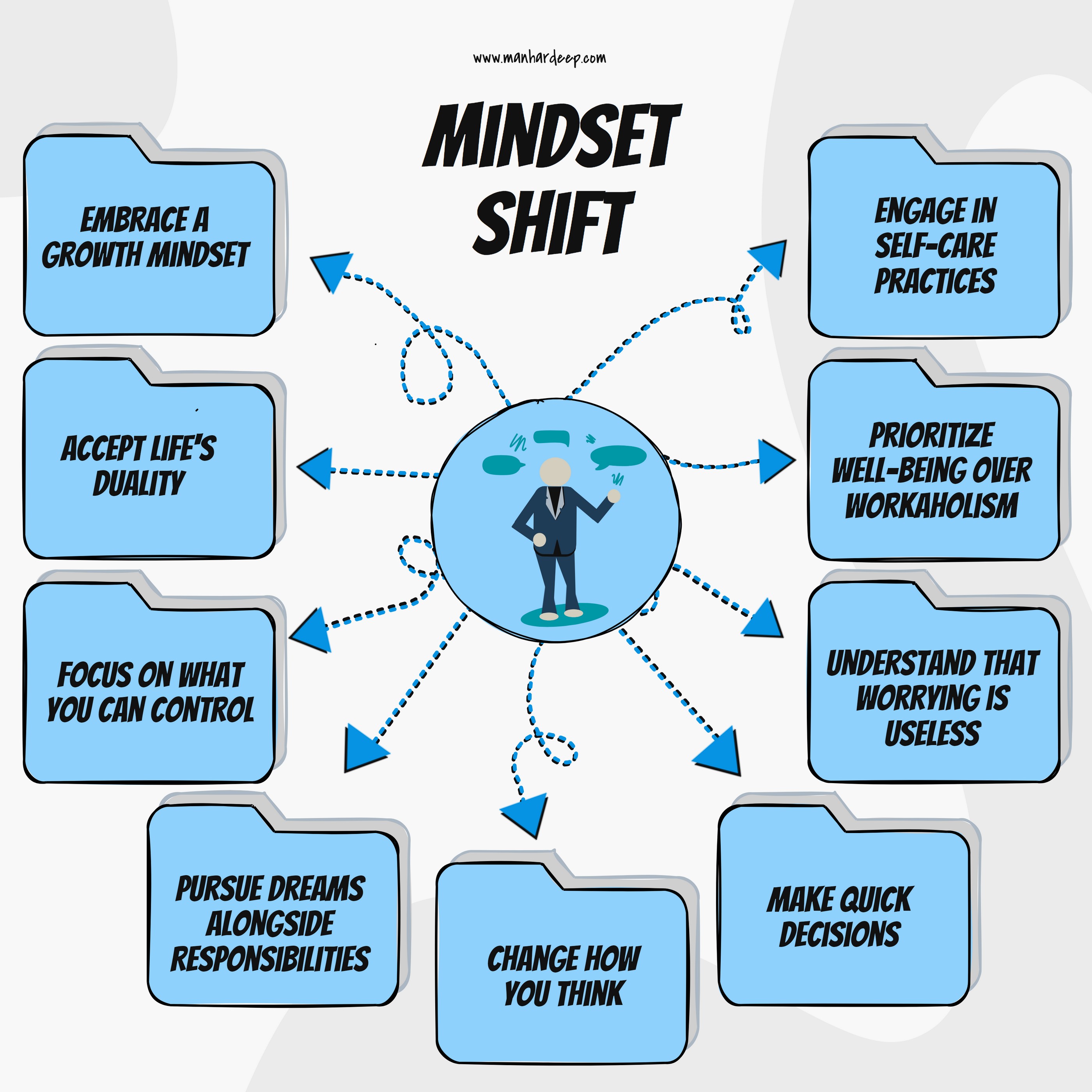
    1. Embrace a Growth Mindset

    A growth mindset is the belief that abilities and intelligence can be developed through dedication and hard work. This perspective fosters resilience and adaptability, enabling individuals to view challenges as opportunities for growth.

    Benefits of a Growth Mindset:

    • Encourages persistence in the face of setbacks.
    • Promotes a love for learning and self-improvement.

    Real-Life Examples:

    • Consider a student who struggles with math. Instead of giving up, they seek help and practice diligently, leading to improved grades over time.
    • An athlete who faces failure in competitions uses that experience to train harder, ultimately achieving success.

    Embracing a growth mindset transforms obstacles into stepping stones towards achievement.

    2. Accept Life’s Duality

    Understanding life’s duality is essential for emotional balance. Life encompasses both chaos and beauty, often coexisting in unexpected ways. Acceptance of this duality allows you to:

    • Foster gratitude by appreciating small joys amidst challenges.
    • Cultivate joy by recognizing that difficulties often lead to deeper fulfillment.

    Strategies for finding beauty in everyday chaos include:

    • Practicing mindfulness to stay present during tumultuous moments.
    • Journaling to reflect on daily experiences, highlighting both messiness and beauty.
    • Engaging in creative outlets that express complex emotions, transforming chaos into art.

    This perspective enriches your daily experiences and nurtures resilience.

    3. Focus on What You Can Control

    Focusing on controllables is crucial for transforming average days into extraordinary ones. Here’s how you can harness this powerful mindset shift:

    1. Identify What You Can Control: Break down your daily challenges into elements you can influence, such as your reactions, time management, and self-care practices.
    2. Embrace Empowerment: Concentrating on controllables fosters a sense of personal empowerment, allowing you to navigate life’s hurdles more effectively.
    3. Model Resilience: By demonstrating how to manage what can be controlled, you teach others—especially children—the importance of resilience in everyday situations.

    This focus enhances your ability to respond positively and encourages a proactive approach to life’s challenges.

    4. Pursue Dreams Alongside Responsibilities

    Balancing personal dreams with daily responsibilities can be challenging yet rewarding. For example, parents often find themselves prioritizing family needs over individual aspirations. However, pursuing personal goals alongside these duties enhances personal satisfaction and sets a positive example for children.

    Consider these strategies for integrating dreams into your daily life:

    • Time Blocking: Allocate specific time slots for your passions within your weekly schedule.
    • Set Realistic Goals: Break down larger dreams into smaller, manageable tasks to maintain motivation.
    • Involve Others: Share your aspirations with family members, encouraging their support and potentially inspiring them to pursue their own dreams.

    By embracing this coexistence, you enrich not only your life but also those around you.

    A serene landscape at sunrise with a thoughtful person sitting on a hill, gazing at the horizon. Soft colors evoke positivity and hope in a realistic style.

    5. Change How You Think

    Your thoughts have a direct impact on how you feel and react. Understanding this link is essential for gaining control over your emotions. Here are some techniques you can use to transform negative thoughts into positive ones:

    • Cognitive Restructuring: Challenge negative beliefs by questioning their truthfulness and replacing them with constructive alternatives.
    • Gratitude Journaling: Make it a habit to write down things you’re grateful for, cultivating a more positive mindset.
    • Visualization Techniques: Picture scenarios where you succeed, reinforcing your belief in your abilities.

    How you view things matters when it comes to managing your emotions. Changing your perspective on situations can lead to more balanced emotional reactions, improving your overall well-being.

    6. Make Quick Decisions

    Making quick decisions can significantly enhance your daily life. The benefits include:

    • Increased decision-making efficiency: You save time and mental energy, allowing you to focus on more important tasks.
    • Stress reduction: Indecision often leads to anxiety and stagnation, creating unnecessary pressure. By committing to swift choices, you foster a proactive mindset.

    To improve your decision-making speed:

    1. Limit options: Too many choices can overwhelm you. Narrow down your options to the most relevant.
    2. Set time limits: Allocate a specific timeframe for each decision to encourage prompt action.
    3. Trust your intuition: Often, your gut feeling can guide you effectively.

    Implementing these strategies allows you to transform ordinary days into extraordinary experiences by reducing stress and enhancing productivity.

    7. Understand That Worrying is Useless

    Worrying can have a big impact on your mental health and how productive you are. It usually leads to more anxiety, less concentration, and feeling like you have no control. This cycle can kill creativity and slow down progress in both your personal life and career.

    Here are some ways to deal with worry effectively:

    1. Acknowledge Your Thoughts: Recognize when you are worrying and identify what triggers it.
    2. Challenge Negative Thoughts: Question whether your concerns are valid or if they are just assumptions.
    3. Shift Focus: Instead of constantly thinking about what might happen, channel your energy into taking specific actions.
    4. Practice Mindfulness: Use techniques like meditation or deep breathing to bring yourself back to the present moment.

    By using these strategies, you can adopt a more proactive mindset. This will empower you to face challenges directly instead of getting stuck in overthinking.

    A cozy workspace with a desk and comfortable chair, surrounded by plants, a cup of tea or coffee, and soft natural light streaming through a window.

    8. Prioritize Well-Being Over Workaholism

    Valuing well-being over excessive work hours is essential for achieving a sustainable work-life balance. When you prioritize your mental and physical health, productivity enhancement naturally follows. Consider these tips:

    • Set Boundaries: Establish clear work hours to avoid overlapping personal time.
    • Take Breaks: Regular breaks help maintain focus and prevent burnout.
    • Engage in Hobbies: Pursuing interests outside of work fosters creativity and reduces stress.
    • Practice Mindfulness: Techniques such as meditation can improve concentration and emotional resilience.

    Implementing these strategies encourages a balanced lifestyle, allowing you to thrive in both personal and professional domains.

    9. Engage in Self-Care Practices That Fuel Your Mindset

    Self-care habits are essential for nurturing long-term well-being. Incorporating practices such as:

    • Nutrition: Consuming balanced meals fuels both body and mind, enhancing focus and energy.
    • Meditation: This practice cultivates mindfulness, reduces stress, and promotes emotional regulation.

    These self-care strategies contribute significantly to sustained productivity and happiness over time. By prioritizing your mental and physical health, you create a resilient mindset. This resilience allows you to navigate challenges more effectively, transforming average days into extraordinary ones. Implementing these self-care routines empowers you to maintain a positive outlook amidst life’s demands.

    10. Focus on Improvement Over Perfection

    Perfectionism can be a barrier to growth, leading to fear of failure and stagnation. It often results in:

    • Increased stress from unattainable standards
    • Procrastination due to fear of not meeting expectations
    • Self-doubt that hinders progress

    Prioritizing continuous improvement shifts your focus to achievable goals. This approach allows you to celebrate small victories, fostering motivation and resilience.

    Embrace the journey of learning, recognizing that progress is more valuable than an idealized outcome. By valuing growth over perfection, you create space for creativity, exploration, and authentic self-expression.

    Conclusion: Transform Your Days with Empowered Mindset Shifts!

    Implementing mindset shifts that transform average days into extraordinary ones can lead to profound changes in your daily life. Consider the following strategies:

    • Embrace a Growth Mindset: Welcome challenges as opportunities for growth.
    • Accept Life’s Duality: Find beauty in the messiness of life and appreciate joyful moments.
    • Focus on Controllables: Empower yourself by concentrating on what you can control.
    • Pursue Dreams Alongside Responsibilities: Integrate your passions with daily roles for fulfillment.

    These mindset shifts foster resilience, promote well-being, and enhance personal satisfaction. By adopting these principles, you can create a positive ripple effect in your life and inspire those around you.

    For those seeking more insights, the book 12 Laws of the Universe serves as an excellent resource. This book delves deeper into the concepts discussed here and offers practical advice for integrating these powerful mindset shifts into your routine. Embrace these tools today; unlock the potential to transform your average days into extraordinary experiences!

    A collage of a young person's office desk with a clock and a note.

    FAQs (Frequently Asked Questions)

    What are mindset shifts and why are they important?

    Mindset shifts refer to changes in the way we think about challenges, opportunities, and experiences. They are crucial because they can transform average days into extraordinary ones by fostering a positive mindset, enhancing personal transformation, and improving our overall quality of life.

    How can embracing a growth mindset change my daily experiences?

    Embracing a growth mindset allows individuals to view challenges as opportunities for learning and resilience. This shift encourages adaptability and can lead to personal growth, ultimately transforming everyday experiences into extraordinary moments.

    What strategies can I use to focus on controllables in my life?

    To focus on controllables, identify factors within your control such as your reactions, decisions, and efforts. Techniques include mindfulness practices, setting realistic goals, and prioritizing tasks that empower you. This focus enhances personal empowerment and teaches resilience.

    How do I balance pursuing my dreams with daily responsibilities?

    Balancing dreams with responsibilities involves integrating your aspirations into your daily routine. Strategies include setting aside time for personal projects, sharing your goals with family or colleagues for support, and finding ways to incorporate passion into everyday activities.

    What techniques can help me shift negative thought patterns to positive ones?

    Techniques for shifting negative thought patterns include practicing gratitude, cognitive restructuring (challenging negative beliefs), mindfulness meditation, and affirmations. These methods help improve emotional regulation and foster a more positive outlook on life.

    Why is it important to prioritize well-being over workaholism?

    Prioritizing well-being over workaholism is essential for maintaining mental health and avoiding burnout. A balanced lifestyle enhances productivity without compromising personal happiness. Tips include setting boundaries around work hours, engaging in self-care practices, and ensuring time for relaxation.

  • From Burnout to Balance: Rebuilding Your Life and Energy

    Introduction

    Burnout is a state of emotional, physical, and mental exhaustion caused by prolonged stress and overwhelming responsibilities. It can significantly impact your work-life balance, leading to feelings of detachment and a diminished sense of accomplishment.

    Understanding burnout’s effects:

    • Emotional exhaustion
    • Physical fatigue
    • Lack of motivation
    • Difficulty concentrating

    Experiencing burnout can leave you feeling stuck in a cycle of negativity, impacting both your professional and personal life.

    This article will guide you through practical strategies to overcome burnout and restore balance in your life. You will learn about:

    • Identifying signs and causes of burnout
    • Prioritizing self-care for recovery
    • Setting boundaries to maintain balance
    • Seeking support from others

    Rebuilding your energy and reclaiming your well-being is possible. By exploring these strategies, you can take the necessary steps towards transforming your life from burnout to balance.

    In addition, embracing the 12 Laws of the Universe could provide valuable insights into achieving this transformation. These laws serve as guiding principles that can help reshape your mindset, enhance your resilience, and ultimately aid in overcoming burnout.

    Understanding Burnout

    Burnout is a state of emotional, physical, and mental exhaustion that arises from prolonged exposure to stressors. It goes beyond general fatigue or temporary stress, often resulting in a sense of detachment from work and personal responsibilities. Recognizing the characteristics of burnout can aid in identifying it early on, allowing for timely intervention.

    Definition and Characteristics

    • Emotional Exhaustion: A feeling of being drained and overwhelmed, leading to decreased emotional capacity.
    • Mental Fatigue: Difficulty concentrating or focusing on tasks due to relentless demands.
    • Detachment: Increased cynicism towards work and reduced feelings of accomplishment.

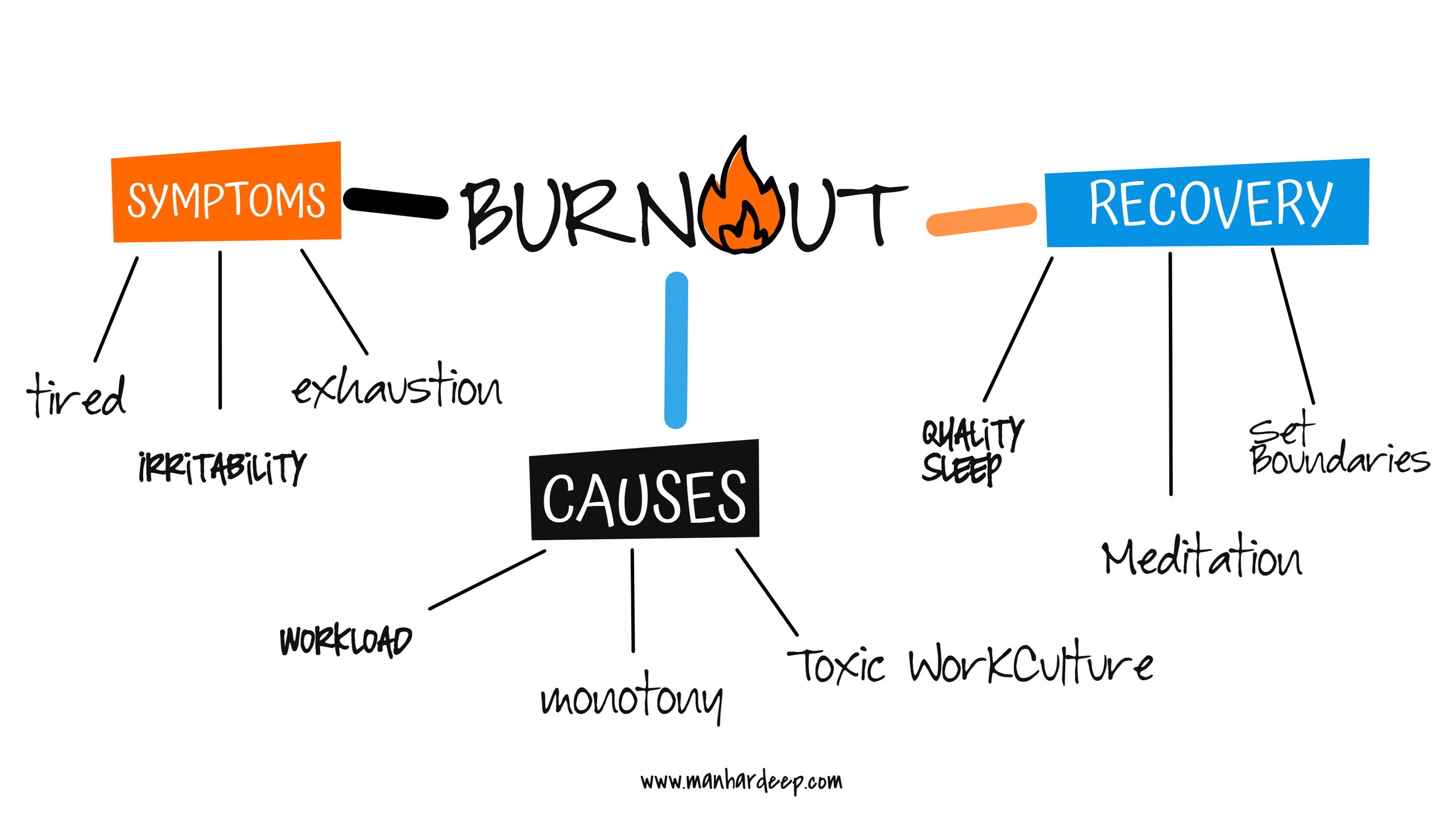
    Common Symptoms

    Burnout manifests through various symptoms that negatively impact your daily life:

    • Constant Tiredness: A pervasive sense of fatigue that sleep does not alleviate.
    • Irritability: Heightened frustration over minor issues, affecting relationships with colleagues and loved ones.
    • Lack of Motivation: A significant decline in enthusiasm for tasks that were once enjoyable or fulfilling.

    Difference Between General Stress and Burnout

    Understanding the distinction between stress and burnout is crucial for effective recovery strategies. General stress may involve short-term responses to specific challenges, while burnout represents a deeper level of emotional depletion.

    • Stress: Characterized by situational pressure; may lead to increased productivity in the short term.
    • Burnout: Develops over time due to chronic stress; results in feelings of ineffectiveness and emptiness.

    Recognizing these differences enables you to identify when you are moving from general stress into the territory of burnout. Awareness is the first step toward reclaiming your energy and restoring balance in your life.

    Causes and Signs of Burnout

    Burnout is often the result of various contributing factors, particularly in the workplace. Understanding these causes can help you recognize when burnout is approaching and take proactive steps to prevent it.

    Common Causes of Burnout

    1. Excessive Workloads

    A heavy workload is one of the most prevalent causes. Constantly juggling multiple tasks or projects can lead to feelings of overwhelm. Monotonous tasks can also contribute, as repetitive work without variation can drain motivation and engagement.

    2. Lack of Recognition

    When your efforts go unnoticed, it can foster feelings of inadequacy and a lack of value in your role. This absence of acknowledgment can be demoralizing. Insufficient support from management or colleagues can exacerbate feelings of isolation and stress.

    3. Personality Traits

    Certain personality traits increase susceptibility to burnout, particularly perfectionism. Individuals who set excessively high standards for themselves may struggle with feelings of failure when those standards aren’t met. Type A personalities often experience intense pressure to achieve, which can lead to chronic stress and eventual burnout.

    4. Workplace Culture

    A toxic or unsupportive workplace culture fosters burnout by promoting unrealistic expectations or encouraging overwork without breaks. Environments that lack open communication or opportunities for feedback can leave employees feeling undervalued and disconnected.

    Identifying Signs of Burnout

    Recognizing the signs of burnout early is crucial for effective recovery. Symptoms manifest physically and emotionally.

    Physical Symptoms

    • Constant fatigue is a primary indicator of burnout, where even minor tasks feel exhausting.
    • Sleep disturbances such as insomnia or restless sleep are common as well.
    • Headaches, gastrointestinal issues, and changes in appetite may also signal that your body is responding negatively to stress.

    Emotional Symptoms

    • Irritability is a frequent emotional response, where minor annoyances feel magnified.
    • You may find yourself snapping at colleagues or loved ones without cause.
    • Feelings of inadequacy or hopelessness often arise, leading to decreased motivation and disconnection from both work and personal commitments.

    Recognizing these symptoms early on allows you to address the root causes effectively. By understanding what contributes to burnout, you empower yourself to make meaningful changes before reaching a breaking point.

    The Recovery Process from Burnout

    Prioritizing Self-Care

    Recovering from burnout involves navigating through various recovery stages, with self-care as a cornerstone of the process. Emphasizing self-care strategies can significantly influence your mental and physical health during this critical time.

    Quality Sleep

    Understanding the importance of quality sleep cannot be overstated. Sleep hygiene plays a pivotal role in recovery, allowing your body and mind to rejuvenate. Here are some essential practices to enhance sleep quality:

    • Establish a Sleep Schedule: Go to bed and wake up at the same time each day, even on weekends.
    • Create a Restful Environment: Keep your bedroom dark, quiet, and cool to promote better sleeping conditions.
    • Limit Stimulants: Avoid caffeine and electronic devices before bedtime to help signal your body that it’s time to wind down.

    Improving sleep will not only reduce feelings of fatigue but also enhance cognitive function and emotional regulation.

    Mindfulness Practices

    Incorporating mindfulness techniques such as meditation and yoga can greatly reduce stress levels during recovery. These practices encourage you to remain present, fostering a sense of calm and clarity. Consider the following approaches:

    • Meditation: Start with just a few minutes each day. Focus on your breath or use guided meditations available through various apps.
    • Yoga: Engage in gentle yoga sessions that focus on breathing and stretching. This activity harmonizes the mind and body, reducing tension while improving flexibility.

    Mindfulness not only alleviates stress but also cultivates self-awareness, allowing you to recognize triggers associated with burnout.

    Reconnecting with Hobbies

    Rediscovering hobbies is another vital aspect of rebuilding energy. Engaging in activities that bring you joy can serve as a powerful antidote to burnout. Hobbies act as outlets for creativity and provide opportunities for relaxation. Consider these suggestions:

    • Artistic Pursuits: Drawing, painting, or crafting can evoke feelings of accomplishment while allowing for self-expression.

    A scenic hiking trail surrounded by lush greenery, with a pair of hiking boots on a rock and colorful art supplies in the foreground, blending nature and creativity.

    • Physical Activities: Hiking, dancing, or gardening can elevate mood through physical movement while connecting you with nature.
    • Social Engagements: Joining clubs or community groups centered on shared interests fosters social connections that are essential for support systems during recovery.

    Hobbies are more than just leisure activities; they play a crucial role in restoring balance in your life by providing an escape from daily stressors.

    Implementing these self-care strategies creates a solid foundation for recovery from burnout. Quality sleep enhances overall well-being, mindfulness practices reduce stress levels, and reconnecting with hobbies reintroduces joy into daily life. Each component works synergistically to rebuild your energy reserves while guiding you toward a more balanced lifestyle.

    As you progress through your recovery journey from burnout, remember that patience and consistency are key elements in restoring equilibrium.

    Setting Boundaries for Work-Life Balance

    Establishing clear boundaries between work and personal life is crucial in your recovery stages from burnout. This long-term strategy can significantly reduce the risk of recurrence, allowing you to rebuild your life and energy effectively.

    Key Techniques for Maintaining Boundaries:

    1. Designate Work Hours: Clearly define when your workday begins and ends. Communicate these hours with colleagues to set expectations.
    2. Limit After-Hours Communication: Consider implementing a policy where you do not check work emails or messages after hours. Use email settings that allow you to pause notifications during personal time.
    3. Create a Dedicated Workspace: If working from home, establish a specific area that is solely for work. This physical separation helps signal the end of the workday when you step away from that space.
    4. Utilize Technology Wisely: Set “do not disturb” modes on your devices during personal time to minimize distractions.
    5. Prioritize Personal Time Management: Plan daily activities that are non-work-related, such as hobbies or family time, ensuring they are as important as your job commitments.

    The Role of Support Systems

    Engaging with friends and family can reinforce these boundaries. They can be instrumental in helping you stick to your defined work-life balance. Sharing your goals with them creates accountability, making it easier to prioritize personal time.

    By emphasizing these strategies, you take significant steps towards achieving a healthier balance. Acknowledging burnout is merely the first step; actively managing work-life boundaries is what sustains recovery. As you implement these practices, consider how they align with other self-care strategies like sleep hygiene and mindfulness practices. Balancing professional responsibilities with personal interests not only enhances your well-being but also fosters resilience against future burnout episodes.

    Seeking Support on Your Journey to Balance

    Rebuilding your life after experiencing burnout requires a strong support system. Social connections with friends and family can provide emotional support and encouragement throughout the recovery stages. It’s essential to lean on those around you, as they can help you:

    • Feel understood: Sharing your feelings with someone who listens can alleviate feelings of isolation.
    • Gain perspective: Friends and family can offer insights or different viewpoints that may help you see your situation more clearly.
    • Encourage self-care: Loved ones can remind you to take breaks, prioritize sleep hygiene, and engage in mindfulness practices.

    As you navigate this journey, recognizing when to seek professional help is crucial. Therapists or coaches can offer specialized guidance tailored to your needs. Consider reaching out for professional support if you notice:

    • Persistent feelings of hopelessness or detachment from daily activities.
    • Difficulty managing stress despite implementing self-care strategies.
    • A lack of improvement in mood or energy levels over time.

    Engaging with a professional provides structured techniques to rebuild balance, such as cognitive-behavioral strategies to address negative thought patterns or coping mechanisms for stress management.

    Incorporating activities that ignite your passions can also be transformative during recovery. Reconnecting with hobbies not only offers joy but serves as an effective distraction from stressors. Group classes or community activities related to these interests can further enhance social interactions and build resilience against future burnout episodes.

    Finding the right balance between seeking support from loved ones and professionals enables a comprehensive approach to recovery. By actively engaging in both personal relationships and professional guidance, you lay the groundwork for a sustainable path towards healing and renewed energy.

    Building Resilience Against Future Burnout Episodes

    Lifestyle Adjustments for Long-Term Balance

    Rebuilding your life after burnout requires a proactive approach that includes lifestyle adjustments. Two key areas to focus on are nutrition and screen time management.

    Nutrition: Fueling Your Energy and Mood

    A well-balanced diet plays a crucial role in sustaining energy levels and stabilizing mood. The right nutrition can prevent feelings of fatigue and irritability, which are common symptoms of burnout. Consider the following strategies:

    • Incorporate Whole Foods: Emphasize fruits, vegetables, whole grains, lean proteins, and healthy fats. These foods provide essential nutrients that support brain health and energy levels.
    • Stay Hydrated: Dehydration can lead to fatigue and cognitive issues. Aim for adequate water intake throughout the day to keep your mind sharp and your body energized.
    • Mindful Eating Practices: Pay attention to hunger cues and eat slowly. Mindful eating fosters a better relationship with food, allowing you to enjoy meals without distractions.
    • Limit Processed Foods: High-sugar or high-fat processed foods may provide temporary energy boosts but can lead to crashes. Opt for nutrient-dense alternatives that promote sustained energy release.

    Adjusting your diet is not just about what you eat but also how you approach food. By reframing attitudes towards nutrition, you can view it as a form of self-care rather than a mere obligation. This mindset shift encourages healthier choices that contribute positively to your recovery journey.

    A serene bedroom with a cozy bed, gentle lighting, a clock indicating bedtime, and a smartphone face down on a nightstand, promoting tranquility and screen-free sleep.

    Screen Time Management: Enhancing Sleep Quality

    In today’s digital age, managing screen time is essential for mental well-being. Excessive exposure to screens, especially before bed, can disrupt sleep patterns and exacerbate feelings of stress or anxiety. Implement these practices:

    • Establish a Digital Curfew: Set a specific time each evening to turn off all screens—phones, tablets, computers—to signal to your body that it’s time to wind down.
    • Engage in Screen-Free Activities: Opt for reading a book, practicing mindfulness techniques like meditation or yoga, or engaging in hobbies that do not involve screens. This transition helps create a relaxing environment conducive to better sleep.
    • Create a Relaxing Bedtime Routine: Incorporate calming activities before bed such as gentle stretching or journaling. A consistent routine signals your body that it’s time for rest.
    • Limit Notifications Before Sleep: Disable notifications during the night to avoid interruptions that could disrupt your sleep cycle.

    By managing screen time effectively, you enhance not only the quality of your sleep but also your overall well-being. Improved sleep leads to better mood regulation and increased resilience against stressors.

    Cultivating Coping Mechanisms

    Building resilience against future burnout episodes involves developing effective coping mechanisms:

    1. Practice Gratitude: Regularly acknowledging what you are thankful for can improve mood and help shift focus from negative thoughts.
    2. Engage in Regular Physical Activity: Exercise has been shown to reduce stress levels and improve mood through the release of endorphins.
    3. Connect with Supportive Individuals: Surround yourself with friends or family members who uplift you. Engaging in conversations about feelings and experiences fosters emotional resilience.

    Reframing attitudes toward challenges is another integral aspect of resilience-building. Instead of viewing setbacks as insurmountable obstacles, consider them as opportunities for learning and growth.

    Implementing these lifestyle adjustments creates a solid foundation for long-term balance in your life post-burnout. Prioritizing nutrition while managing screen time effectively enhances both physical health and emotional stability, setting the stage for sustainable recovery and resilience against future burnout episodes

    Crafting Daily Routines That Foster Balance

    Designing daily routines that balance work responsibilities and personal self-care is essential for long-term well-being. Effective coping mechanisms can help you navigate the challenges of life while preventing burnout from recurring. Consider implementing the following practical tips:

    1. Set Clear Priorities

    At the start of each day, identify your top three tasks that must be completed. This focus helps you manage your workload without feeling overwhelmed by a lengthy to-do list.

    2. Incorporate Mindful Eating

    Nutrition plays a vital role in maintaining your energy levels throughout the day. Schedule regular meal breaks where you can enjoy wholesome foods without distractions. This mindful approach enhances your relationship with food and supports mental clarity.

    3. Establish Boundaries for Work Hours

    Define specific times for work-related activities and personal time. Communicate these boundaries to colleagues and family members to foster respect for your off-hours, reducing the risk of burnout.

    4. Limit Screen Time

    Designate tech-free periods during your day, especially before bed. Engaging in screen time management improves sleep quality, which is crucial for mental health and recovery.

    5. Integrate Self-Care Activities

    Allocate time within your daily routine for activities that rejuvenate you, such as reading, exercising, or pursuing hobbies. These moments of self-care serve as restorative pauses in your busy schedule.

    6. Reflect on Your Attitudes

    Reframe your perspective towards both work and personal commitments. Emphasizing growth over perfection can alleviate pressure and enhance fulfillment in daily tasks.

    Creating a balanced routine involves intentionality and flexibility. Adapting these strategies will empower you to cultivate a lifestyle that promotes resilience against future instances of burnout. By prioritizing both responsibilities and self-care, you lay the groundwork for sustained energy and overall well-being.

    Celebrating Your Progress Towards Balance

    Recognizing and celebrating your progress during the recovery from burnout can significantly enhance your mental well-being. Each small milestone achieved represents a step toward restoring balance in your life. Acknowledging these victories fosters a sense of accomplishment, reinforcing positive behaviors and motivating you to continue on your path to recovery.

    The Benefits of Acknowledging Your Progress

    Consider these benefits of celebrating progress:

    • Boosts Motivation: Recognizing achievements, no matter how minor, encourages persistence.
    • Enhances Self-Esteem: Celebrating progress instills confidence in your ability to overcome challenges.
    • Reduces Stress: Gratitude practice shifts your focus from what’s lacking to what’s been accomplished, alleviating feelings of inadequacy.

    Incorporating a gratitude practice into your daily routine can amplify these benefits. Take time each day to reflect on:

    1. Achievements that made you feel good
    2. Positive interactions with others
    3. Moments that brought you joy or peace

    By intentionally focusing on the positives, you create a mindset that supports continued growth and resilience. This approach not only aids in recovering from burnout but also builds a foundation for long-term balance and well-being.

    Conclusion: Embracing Balance in Life After Burnout

    Embracing the journey towards a balanced life post-burnout is crucial for long-term well-being. Here are key takeaways:

    • Acknowledge Your Journey: Recognize that recovery is a process filled with ups and downs. Celebrate each step you take towards balance.
    • Prioritize Self-Care: Continue to engage in activities that promote mental and physical health, such as sleep, exercise, and mindfulness practices.
    • Maintain Boundaries: Establish clear lines between work and personal life to prevent future burnout.
    • Seek Support: Don’t hesitate to reach out to friends, family, or professionals when needed.

    As you navigate from burnout to balance, remember that rebuilding your life and energy takes time. Commit to the journey ahead. Your well-being is worth it.

    A black and white picture of a black and yellow sign.

    FAQs (Frequently Asked Questions)

    What is burnout and how does it affect work-life balance?

    Burnout is a state of emotional, mental, and physical exhaustion caused by prolonged stress, often leading to feelings of overwhelm and detachment. It significantly impacts work-life balance by making it difficult to manage responsibilities effectively, resulting in reduced productivity and increased irritability.

    What are the common symptoms of burnout?

    Common symptoms of burnout include constant tiredness, irritability, lack of motivation, emotional exhaustion, mental fatigue, and feelings of inadequacy. Recognizing these signs early is crucial for effective recovery.

    What causes burnout in the workplace?

    Burnout can be caused by excessive workloads, lack of recognition, monotonous tasks, and certain personality traits like perfectionism. Additionally, a toxic workplace culture can exacerbate these factors.

    How can I prioritize self-care during recovery from burnout?

    Prioritizing self-care involves ensuring quality sleep through good sleep hygiene, practicing mindfulness techniques such as meditation and yoga to reduce stress levels, and reconnecting with hobbies that bring joy and relaxation.

    What strategies can help maintain work-life balance after experiencing burnout?

    Establishing clear boundaries between work and personal life is essential. This includes managing work-related communications after hours and setting aside personal time dedicated to self-care activities.

    When should I seek professional help for burnout recovery?

    If you find it challenging to cope with burnout on your own or if symptoms persist despite self-care efforts, it may be beneficial to seek professional help from therapists or coaches who can provide additional support on your journey towards balance.

  • The Art of Saying No: Mastering Boundaries for a Fulfilling Life

    Introduction

    The ability to say no is an important skill that helps us stay true to ourselves and maintain good mental health. It’s not just about turning down requests, but also about respecting our own needs and beliefs. When we set boundaries that prioritize our well-being, we create a solid foundation for a happy and fulfilling life.

    When we take care of ourselves first, we can build genuine connections with others. Saying no allows us to conserve our energy and make room for the things that truly matter to us.

    Every time we agree to something that doesn’t benefit us, we might be missing out on opportunities that align with our goals and values. By learning how to communicate our boundaries assertively, we can find greater happiness and authenticity in our lives.

    This article will explore the various ways in which we can effectively express our boundaries and create a lifestyle that prioritizes our needs.

    The Importance of Saying No

    Saying no is an essential skill that directly impacts your mental well-being and personal integrity. When you constantly say yes, the consequences can be profound. Here’s how:

    1. Consequences of Constantly Saying Yes

    • You may find yourself overwhelmed with commitments that do not align with your interests or values.
    • This can lead to feelings of resentment towards others and yourself.
    • Chronic busyness often results in burnout, leaving little room for self-care or relaxation.

    2. Impact on Mental Peace and Authenticity

    • Saying yes when you truly want to say no can compromise your authenticity. You may feel trapped in a role that does not reflect who you are.
    • The internal conflict created by this disconnect can disrupt your mental peace, leading to anxiety and stress.
    • Authenticity fosters genuine connections. When you honor your boundaries, you naturally attract relationships that respect your needs.

    3. Aligning Commitments with Personal Values

    • Each commitment should resonate with your core values. Understanding what matters most to you aids in evaluating requests effectively.
    • Aligning your commitments ensures that your time and energy are spent on pursuits that enrich your life rather than deplete it.
    • By saying no, you preserve the ability to engage fully in activities that bring joy and fulfillment.

    Recognizing the importance of saying no empowers you to reclaim your time and energy. It allows for a more authentic expression of self while protecting against the pitfalls of overcommitment. Understanding these aspects sets the foundation for healthier interactions and decision-making moving forward.

    Understanding Boundaries

    Boundaries are essential components of healthy relationships. They define the limits within which you feel safe, respected, and valued. Understanding the types of boundaries can help you navigate interactions more effectively.

    Types of Boundaries

    • Emotional Boundaries: These involve your feelings and emotional well-being. Setting emotional boundaries means recognizing your limits concerning how others treat you and the emotional energy you invest in relationships.
    • Physical Boundaries: These pertain to personal space and physical touch. Establishing physical boundaries helps ensure that your comfort is prioritized in social situations.
    • Time Boundaries: Time is a finite resource. Setting these boundaries allows you to protect your schedule, ensuring that you allocate time for activities that align with your values and priorities.

    A picture of a bunch of different types of arrows.

    Establishing boundaries reflects self-respect and authenticity. When you clearly communicate your limits, you convey that your needs matter. This self-honoring behavior fosters a sense of personal integrity and aligns with your authentic self.

    Healthy relationships thrive on mutual respect for boundaries. Friends who respect your limits support your personal growth; they understand that honoring boundaries strengthens connections instead of weakening them. On the other hand, individuals who disregard your boundaries may not be worth the effort invested in the relationship.

    Recognizing the interplay between boundaries and relationships is crucial for personal development. When you assertively establish and maintain limits, you create an environment where both parties can thrive. This balance fosters trust, encouraging open communication about needs and expectations.

    Building awareness of your own boundaries will empower you in various aspects of life. You’ll find that defining what is acceptable to you enhances both personal fulfillment and relational harmony.

    Strategies for Saying No Effectively

    Saying no can be challenging, but mastering this skill is crucial for maintaining healthy boundaries. Here are effective strategies to help you decline requests with confidence and grace.

    Techniques for Politely Declining Requests

    • Express Gratitude: Start by thanking the person for considering you. This shows appreciation and softens the refusal. For example:

    “Thank you so much for inviting me to your event. I truly appreciate it.”

    • State Your Limitations: Clearly express your inability to fulfill the request without excessive justification. Keep it simple and straightforward:

    “I won’t be able to attend due to prior commitments.”

    • Offer Alternatives: If appropriate, suggest another time or way to connect. This demonstrates your willingness to maintain the relationship while still asserting your boundaries:

    “I can’t make it this weekend, but let’s plan to catch up next month.”

    Importance of Early Refusal

    Declining requests early can significantly alleviate anxiety and stress associated with overcommitting. The longer you wait, the more pressure builds, making it harder to say no later on. Consider these benefits:

    • Prevents Overwhelm: Responding promptly allows you to manage your schedule better, ensuring you have adequate time for personal priorities.
    • Sets Clear Expectations: Early refusals help others understand your availability, reducing the likelihood of future last-minute requests.
    • Reduces Guilt: The sooner you say no, the less likely you are to feel guilty about disappointing someone later on.

    By using these techniques, you empower yourself in The Art of Saying No: Setting Boundaries for Better Living. Practicing polite refusals not only enhances your communication skills but also reinforces your commitment to personal well-being and authenticity.

    Navigating Social Dynamics While Maintaining Boundaries

    Saying no not only impacts your life but also shapes how others perceive you. When you consistently uphold your boundaries, you send a clear message about your self-respect and priorities. This can lead to various perceptions:

    • Respect: People often admire those who can assert their needs without guilt. When you say no, it encourages a culture of mutual respect.
    • Expectation Management: Friends and colleagues may adjust their expectations regarding your availability, leading to healthier interactions.
    • Authenticity: Upholding your boundaries allows you to remain true to yourself, fostering deeper connections based on genuine understanding.

    The relationship between boundary-setting and resource preservation is vital in maintaining personal integrity. Resources such as time, energy, and emotional well-being are finite. When you decline requests that do not align with your values or priorities, you:

    • Protect Your Time: Saying no frees up time for activities or commitments that truly matter to you.
    • Prevent Burnout: By establishing limits, you safeguard your mental peace, which enhances overall productivity and happiness.
    • Encourage Healthy Relationships: Valuing your resources promotes relationships where both parties respect each other’s boundaries.

    When navigating social dynamics, consider this: every time you say yes out of obligation rather than desire, you risk depleting those invaluable resources. Respecting your boundaries ultimately leads to healthier interactions and empowers others to reflect on their own boundary practices. This creates an environment where everyone feels empowered to communicate openly about their needs.

    Recognizing these dynamics will assist in fostering relationships built on respect rather than obligation. Establishing clear boundaries is not just about saying no; it’s about cultivating an atmosphere of understanding and authenticity that benefits everyone involved.

    Effective Scripts for Declining Requests Without Guilt or Shame

    Navigating the challenge of saying no can be made easier with effective scripts. These concise responses help maintain relationships while honoring your boundaries. Here are some examples tailored for different situations:

    Situational Scripts

    Social Invitations:

    • “Thank you for the invite! I have prior commitments and won’t be able to make it this time.”

    Work Requests:

    • “I appreciate you thinking of me, but I’m currently at capacity with my existing projects.”

    Volunteering:

    • “I admire the cause, but I can’t commit to additional responsibilities right now.”

    Each script focuses on gratitude while clearly stating your inability to participate. This approach helps in balancing honesty with kindness.

    Crafting Your Own Responses

    When formulating your responses, consider these elements:

    • Express Gratitude: Thank the person for considering you.
    • State Your Limitation: Be clear about your inability to engage without excessive details.
    • Offer Alternatives: If appropriate, suggest an alternative plan or express interest in future opportunities.

    For instance:

    “I really appreciate you reaching out. Unfortunately, I can’t join this time. Let’s catch up next month instead!”

    Emphasizing Your Needs

    The key lies in recognizing that no is a complete sentence. You do not owe anyone an explanation for prioritizing your well-being.

    Use responses that affirm your boundaries without overwhelming yourself with guilt or shame. By practicing these scripts, you will gain confidence in asserting your needs while preserving important relationships.

    Being direct yet kind allows you to remain authentic, reinforcing the notion that it’s perfectly acceptable to decline invitations or requests when they do not align with your priorities.

    Civility vs. Politeness: The Key to Mastering Communication Skills for Boundary Assertion

    Understanding the difference between civility and politeness is crucial when it comes to setting boundaries.

    Distinguishing Between Civil Responses and Mere Politeness

    • Politeness often manifests as surface-level niceties, designed to maintain social harmony. Examples include generic phrases like “I’ll think about it” or “Maybe next time.” These responses can sometimes lack authenticity and leave both parties feeling unsettled.
    • Civility, on the other hand, involves a deeper level of respect and consideration for the other person’s feelings while maintaining your own boundaries. It requires honesty and clarity without sacrificing kindness. A civil response might sound like, “I appreciate your invitation, but I need to prioritize my personal time right now.” This approach respects both your needs and the requester’s feelings.

    The Effort and Vulnerability Involved in Genuine Communication

    Engaging in genuine communication entails vulnerability. By expressing your true feelings and needs, you open yourself up to possible discomfort. This effort can be daunting but is essential for healthy relationships.

    Benefits of Genuine Communication

    • Establishes trust in relationships
    • Encourages mutual respect
    • Clarifies intentions for all parties involved

    When you communicate with civility, you affirm not just your boundaries but also the relationship’s integrity. You foster an environment where both individuals feel heard and respected.

    Setting boundaries through civil communication reflects self-respect. This practice aligns closely with living authentically and helps cultivate relationships that honor your needs while respecting others. Embracing this shift from mere politeness to genuine civility empowers you in the art of saying no effectively.

    Considering Your Future Self Before Committing: A Game-Changer in Decision-Making Process

    Reflecting on your future self when faced with commitments can greatly impact your decision-making process. This practice encourages you to consider how a choice will affect your emotional and mental well-being later on. By visualizing future scenarios, you gain clarity about whether an obligation aligns with your values and priorities.

    Importance of Reflecting on Future Feelings

    • Anticipate Emotional Outcomes: Picture how saying yes will make you feel weeks or months later. Will it lead to stress, resentment, or joy? This foresight allows for informed decisions.
    • Align with Personal Values: Consider if the commitment resonates with your core beliefs. Engaging in activities that conflict with your values can lead to dissatisfaction and discontent.

    Techniques for Evaluating Requests Before Responding

    1. The 24-Hour Rule: When confronted with a request, take a day to reflect before responding. This pause allows emotions to settle and provides time for thoughtful consideration.
    2. List Pros and Cons: Create a simple list outlining the benefits and drawbacks of accepting the commitment. This method visually clarifies whether the request supports your goals or hinders them.
    3. Future Self Visualization: Spend a moment imagining yourself in the future, having accepted or declined the request. How do you feel? Use this visualization as a guide in your decision-making.
    4. Consult Trusted Friends: Reach out to those who understand your values. They can provide external perspectives that may help you see the situation more clearly.

    By incorporating future self consideration into your decision-making process, you empower yourself to make choices that honor your time, resources, and emotional health. This practice not only reinforces personal boundaries but also nurtures authentic relationships built on mutual respect and understanding.

    Empowerment Through Saying No: Building Confidence and Asserting Your Needs

    Saying “no” can be a powerful act of empowerment. It serves as a statement of your priorities and values, allowing you to take control of your time and energy.

    “No” as a Complete Sentence

    When you understand that “no” is a complete sentence, you liberate yourself from the need for justification. This realization can be transformative. You do not owe anyone an explanation for your decision to decline a request. Embracing this concept fosters self-respect and reinforces the importance of your own needs.

    Example: Instead of saying, “I’m really busy,” simply stating, “No, I can’t do that,” demonstrates clarity and confidence in your boundaries.

    Two papers with words that read "You're doing something right now that is interesting".

    Building Confidence Through Practice

    Confidence grows with practice. The more you assert your boundaries by saying no, the easier it becomes over time. Each experience reinforces your ability to communicate effectively without feeling guilty or anxious.

    1. Start Small: Begin by declining minor requests. This can be as simple as turning down an invitation or saying no to an unnecessary favor.
    2. Reflect on Experiences: After each refusal, consider how it felt. Did you feel relief? Empowered? These reflections will help solidify your confidence and encourage future boundary-setting.

    Key Benefits of Empowerment

    Establishing boundaries through saying no leads to:

    • Mental Clarity: Reducing commitments frees up mental space.
    • Improved Relationships: Authentic connections thrive when both parties respect boundaries.
    • Increased Focus on Goals: Prioritizing personal needs allows for aligned actions toward aspirations.

    By practicing the art of saying no, you foster a sense of empowerment that extends beyond day-to-day interactions. This mindset shift not only protects your energy but also sets a standard for how others engage with you.

    Conclusion

    Mastering The Art of Saying No: Setting Boundaries for Better Living is essential for creating a fulfilling life. Prioritizing personal needs and protecting your energy should be at the forefront of your decision-making process.

    Consider these key takeaways:

    • Personal Needs Matter: Recognize that neglecting your own needs leads to burnout and dissatisfaction. Make choices that honor your well-being.
    • Healthy Boundaries Foster Authentic Relationships: Establishing and maintaining boundaries invites respect from others. Genuine connections thrive when both parties understand and appreciate each other’s limitations.
    • Empowerment Through Refusal: Embrace the power of saying no as an affirmation of self-worth. When you assertively express your limits, you cultivate confidence and clarity in all aspects of life.

    By actively engaging in boundary-setting, you enhance not only your own mental peace but also contribute positively to the dynamics of your relationships. The practice of saying no is not just a skill; it is a vital tool for living authentically and ensuring that every commitment aligns with your values. Prioritize yourself, protect your energy, and watch as you build deeper, more meaningful connections with those around you.

    FAQs (Frequently Asked Questions)

    What is the significance of saying no in our daily lives?

    Saying no is crucial for maintaining mental well-being and personal integrity. It helps prevent burnout and allows individuals to align their commitments with their personal values, ultimately leading to a more fulfilling life.

    How can I effectively set boundaries in my relationships?

    Setting boundaries involves understanding different types of boundaries—emotional, physical, and time-related. By clearly defining these boundaries, you reflect self-respect and authenticity, which are essential for healthy relationships.

    What strategies can I use to decline requests politely?

    To decline requests effectively, express gratitude for the opportunity while stating your inability to commit. Early refusal can also help manage anxiety and maintain clarity in your decision-making process.

    How does saying no affect social dynamics and perceptions?

    Saying no can influence how others perceive you, often leading them to respect your boundaries more. It also plays a role in resource preservation by ensuring you don’t overextend yourself.

    Can you provide examples of effective scripts for saying no without feeling guilty?

    Certainly! Examples include: ‘Thank you for thinking of me, but I can’t commit at this time,’ or ‘I appreciate the offer, but I need to focus on my current priorities.’ These responses balance honesty with kindness.

    Why is it important to consider my future self before making commitments?

    Reflecting on how a commitment will affect your future self is vital in the decision-making process. This technique helps evaluate requests more thoughtfully, ensuring that your choices align with your long-term goals and well-being.

  • Digital Detox: Reclaiming Your Focus and Mental Peace

    Introduction

    Digital detox refers to the practice of disconnecting from digital devices to improve mental clarity, reduce stress, and enhance overall well-being. In our hyperconnected world, constant notifications can lead to overwhelming feelings, making it essential to prioritize self-care and mental health.

    Importance of Reclaiming Focus and Mental Peace

    Reclaiming focus and mental peace is vital for navigating daily life. The incessant barrage of information can cloud judgment and create anxiety. Engaging in a digital detox allows you to:

    • Reset your brain’s reward pathways
    • Lower cortisol levels associated with stress
    • Enhance emotional regulation

    What You Will Learn from This Blog

    This blog will guide you through various aspects of digital detox, including:

    • Understanding its purpose and benefits
    • Signs that indicate you may need a break from screens
    • Strategies for successfully implementing a digital detox in your life

    Understanding Digital Detox

    A digital detox is when you intentionally disconnect from digital devices to clear your mind and reduce the stress that comes from being constantly connected. The main goal of a digital detox is to fight against information overload, which can make you feel anxious and overwhelmed.

    How Constant Connectivity Affects Mental Health

    In today’s fast-paced world, always being connected can negatively impact your mental health. Here’s how:

    1. Information Overload

    Constant notifications from work emails, social media updates, and news alerts create an overwhelming amount of information. This can make it hard for you to concentrate and increase your stress levels.

    2. Decreased Attention Span

    Studies suggest that frequently using devices can shorten your attention span. Your brain gets used to quick bursts of information, making it difficult to focus on more challenging tasks.

    3. Social Comparison

    Social media platforms often promote unrealistic standards that can contribute to feelings of inadequacy and low self-esteem.

    Signs You Might Need a Digital Detox

    It’s important to recognize the signs that indicate you could benefit from a digital detox in order to maintain your mental well-being. Here are some indicators to consider:

    1. Feeling Overwhelmed

    If checking your phone or email feels like a chore instead of a choice, it may be time for a break.

    A person sitting peacefully in a cozy, minimalistic room filled with plants and soft lighting, with a smartphone turned face down on a nearby table.

    2. Increased Anxiety

    If you experience heightened anxiety or stress in response to digital communications, this could be a sign that you need to disconnect.

    3. Neglected Relationships

    When you find yourself prioritizing screen time over face-to-face interactions with family or friends, it indicates an imbalance that needs attention.

    4. Difficulty Sleeping

    Struggling with sleep can often be linked to excessive screen time before bed. The blue light emitted by devices interferes with melatonin production and disrupts sleep patterns.

    By recognizing these signs, you can take proactive steps towards enhancing your mental peace. Engaging in a digital detox can help reset your mind, providing space for introspection and personal growth. By reclaiming control over your digital habits, you open the door for improved focus and emotional well-being in an increasingly connected world.

    Benefits of Digital Detox

    1. Improved Mental Clarity

    Digital detox practices can drastically enhance your mental clarity. The constant barrage of notifications and information can overwhelm your cognitive function, leading to a foggy mind. Reducing screen time allows your brain to reset and prioritize essential information. Here’s how this process unfolds:

    • Enhanced Cognitive Abilities: Studies indicate that individuals who take breaks from digital devices experience significant improvements in attention span and problem-solving skills. By stepping away from screens, you give your mind the opportunity to process information without distractions.
    • Focus on Critical Thinking: Engaging in activities free from digital interruptions encourages deeper thinking. When you’re not constantly switching between tasks or responding to messages, your brain can engage in critical analysis and creative thought.

    Research supports the link between reduced technology use and improved focus. A study published in the Journal of Environmental Psychology found that participants who unplugged for a brief period exhibited better concentration levels than those who remained connected.

    The benefits extend beyond short-term relief; they can lead to long-lasting cognitive improvements. Engaging in offline activities such as reading or meditating promotes mental agility and strengthens neural pathways associated with memory retention.

    2. Reduced Stress Levels

    Technology’s role in our lives often contributes to heightened stress levels. Notifications, emails, and social media interactions can create an environment of constant urgency. Research shows that engaging in a digital detox lowers cortisol levels—the hormone associated with stress.

    • Understanding Cortisol: Elevated cortisol levels can lead to anxiety, irritability, and various health issues. A digital detox acts as a buffer against these effects by providing a reprieve from the overwhelming stimuli of daily life.
    • Scientific Findings: A study from Stanford University reveals that participants who limited their digital usage reported lower anxiety levels and greater emotional stability compared to those who didn’t.

    3. Enhanced Sleep Quality

    The connection between screen time and sleep disturbances is well-documented. Exposure to blue light emitted by screens interferes with the production of melatonin, a hormone responsible for regulating sleep cycles.

    • Benefits of Better Sleep: Reducing device usage before bedtime can significantly improve sleep quality. Individuals who engage in digital detox practices often report falling asleep faster and experiencing deeper sleep.

    Sleep is crucial for cognitive function and overall well-being. Improved rest leads to sharper focus during waking hours, creating a positive feedback loop that enhances productivity.

    4. Strengthened Real-world Connections

    Digital communication often replaces face-to-face interaction, which can weaken personal relationships over time. Disconnecting from technology encourages you to engage in meaningful conversations and experiences.

    • Importance of In-person Interactions: Personal connections foster emotional support and happiness that online interactions often lack. When you prioritize real-world relationships during a digital detox, you cultivate bonds that enrich your life.
    • Strategies for Fostering Relationships: Organize gatherings with family or friends during your detox period. Engage in shared activities like hiking or cooking together to deepen connections without the interference of technology.

    Embracing these benefits allows you to reclaim your focus and mental peace effectively through a structured approach like digital detoxing. Recognizing the profound impact on cognitive function improves both personal well-being and interpersonal relationships significantly while fostering an environment conducive to mental clarity and reduced stress levels.

    2. Reduced Stress Levels

    Technology has a profound impact on stress and anxiety levels. Constant notifications, social media interactions, and the pressure to stay connected can lead to feelings of overwhelm. The brain continually processes information, leading to mental fatigue and increased stress responses.

    Effects of Technology on Stress:

    • Information Overload: The barrage of messages and updates can create a sense of urgency, making it difficult to focus.
    • Social Comparison: Social media often fosters unrealistic comparisons, leading to feelings of inadequacy and anxiety.
    • Reduced Downtime: The expectation to be always available diminishes opportunities for relaxation and self-care.

    Scientific studies shed light on the physiological effects of a digital detox. Research indicates significant changes in cortisol levels during periods without technology:

    • Cortisol Levels: Cortisol is known as the stress hormone. Elevated levels are linked to various health issues including anxiety and depression.
    • Digital Detox Findings: In one study, participants who engaged in a digital detox experienced a marked reduction in cortisol levels after just a few days. This suggests that stepping away from screens can have immediate stress-reducing effects.

    The benefits of digital detox extend beyond temporary relief; they contribute to long-term mental clarity and enhanced cognitive function. With reduced exposure to the digital noise, your mind can recalibrate, allowing space for clearer thoughts and improved decision-making capabilities.

    Embracing a digital detox not only promotes stress reduction but also opens up opportunities for mindfulness practices that further enhance mental peace. Techniques such as deep breathing or meditation become more accessible when distractions are minimized. By prioritizing moments free from technology, you cultivate an environment conducive to emotional well-being and resilience against daily stressors.

    A serene bedroom with soft colors, a cozy bed with fluffy pillows, a bedside table with a glowing lamp, and a window revealing a peaceful starry night sky.

    3. Enhanced Sleep Quality

    The relationship between screen time and sleep disturbances has been a growing area of concern. Research indicates that excessive exposure to screens, especially before bedtime, can significantly disrupt your sleep patterns. The blue light emitted from devices interferes with the production of melatonin, the hormone responsible for regulating sleep. This disruption leads to:

    • Delayed Sleep Onset: Difficulty falling asleep due to heightened alertness caused by screen usage.
    • Reduced Sleep Quality: Frequent awakenings during the night can lead to fragmented sleep cycles.

    Engaging in a digital detox can have profound benefits on your sleep quality. By reducing device usage, particularly in the evening, you create an environment more conducive to restful sleep. Some key benefits include:

    • Improved Melatonin Levels: Limiting screen exposure allows your body to produce melatonin naturally, facilitating easier transitions into deeper sleep stages.
    • Enhanced Mental Clarity: Better sleep directly correlates with improved cognitive function and mental clarity the following day. A well-rested mind is better equipped to handle tasks and challenges.

    Studies confirm that individuals who undergo a digital detox report not only better sleep but also enhanced daytime functioning. With increased focus and productivity, you may find yourself engaging more fully in daily activities without the fatigue that often accompanies poor sleep.

    Implementing strategies such as establishing a tech-free bedtime routine or designating a specific “screen-off” time can yield significant improvements in your overall sleep quality. Consider integrating practices like reading a physical book or meditating before bed as alternatives to screen time.

    Prioritizing better sleep through a digital detox aligns with the broader goals of reclaiming your focus and mental peace in today’s hyperconnected world. By understanding the impact of screen time on your sleep, you take essential steps toward enhancing both your health and well-being.

    4. Strengthened Real-world Connections

    In an era dominated by screens, the importance of in-person connections cannot be overstated. Online interactions provide convenience but often lack the depth and emotional resonance found in face-to-face communication. Engaging with others physically fosters a sense of community and belonging that digital exchanges struggle to replicate.

    Benefits of In-Person Connections

    • Enhanced Communication: Non-verbal cues such as body language and facial expressions contribute significantly to effective communication. These nuances are often lost in text messages or social media interactions.
    • Emotional Bonding: Spending time with friends or family in person strengthens relationships, leading to increased feelings of support and understanding.
    • Mental Clarity: Engaging in real-world social interactions contributes to improved cognitive function. Studies indicate that personal connections can enhance mental clarity and overall well-being.

    Strategies for Fostering Real-world Relationships

    1. Plan Regular Meetups: Set specific days each month dedicated to spending time with friends or family members without digital distractions. This could include a game night, dinner, or simply a walk in the park.
    2. Join Local Groups or Clubs: Engage in hobbies or interests that require face-to-face participation. Whether it’s a book club, hiking group, or art class, these settings provide opportunities for meaningful interactions.
    3. Establish Device-Free Zones: Create designated areas at home where devices are not allowed, encouraging everyone to focus on engaging with one another rather than their screens.
    4. Use Technology Mindfully: While it might seem counterintuitive during a detox, use technology purposefully to arrange offline gatherings. A simple video call can help solidify plans for real-life meetups.

    By prioritizing offline relationships, you cultivate a stronger support network that enriches your life during a digital detox. The shift from virtual connectivity to authentic interactions can significantly enhance your mental clarity and overall happiness while navigating the challenges of modern life.

    Strategies for a Successful Digital Detox

    1. Setting Boundaries with Technology

    In the quest for a successful digital detox, establishing clear tech boundaries is essential. This practice not only helps in managing screen time but also encourages healthier interactions with technology. Here are some effective strategies to implement:

    Create Specific Times for Checking Emails and Social Media

    Designate specific times throughout your day to check emails and social media. Consider the following tips:

    • Allocate two or three short intervals daily, such as 15-20 minutes in the morning and afternoon.
    • Stick to these time slots strictly. Avoid checking notifications outside these periods to minimize distractions.
    • Use timers or apps that remind you when it’s time to disconnect.

    This structured approach allows you to engage with your digital life without feeling overwhelmed. You regain control over your attention, reducing the urge to react impulsively to notifications.

    Establish Device-Free Areas in Your Home

    Creating device-free zones can significantly enhance your digital detox experience. Here’s how to set them up:

    • Identify areas in your home where you often use devices, such as the bedroom or dining room.
    • Make these spaces completely tech-free by leaving devices in another room or using charging stations away from common areas.
    • Encourage family members or housemates to join in on this initiative, fostering a shared commitment to unplugging.

    By removing technology from certain environments, you cultivate spaces conducive to relaxation and genuine interactions. These zones facilitate mindfulness and improve your overall well-being.

    Benefits of Setting Boundaries

    Implementing tech boundaries has a direct impact on mental health. The following benefits emerge from this deliberate practice:

    • Enhanced Focus: With fewer distractions from constant notifications, you can concentrate better on tasks at hand.
    • Reduced Anxiety: Knowing that you’ll check messages at specific times alleviates the pressure of being constantly available.
    • Better Relationships: Device-free areas promote meaningful conversations and connections with loved ones, enhancing emotional bonds.

    Additional Strategies

    Beyond setting boundaries, consider these additional strategies for a more holistic approach:

    • Engage in Offline Activities: Cultivate hobbies that do not involve screens. Activities such as reading physical books, gardening, or cooking allow you to immerse yourself in the present moment.
    • Practice Mindfulness: Incorporate mindfulness techniques like meditation or deep breathing exercises into your routine. These practices help counteract the mental clutter often caused by excessive screen time.

    Create a Balance

    Finding balance is key during a digital detox. It requires consistent effort and self-discipline. Regularly evaluate how well your boundaries are working and adjust as needed. Reflect on what activities or environments trigger the urge to check devices and think critically about how to minimize those triggers.

    As you delve deeper into setting tech boundaries and establishing device-free areas, remember that each small change contributes significantly to reclaiming focus and mental peace. The journey towards a successful digital detox is personal; tailor these strategies according to your lifestyle and preferences for optimal results.

    2. Engaging in Offline Activities

    Engaging in offline activities is crucial for your digital detox journey. It’s an opportunity to reconnect with yourself and the world around you without the distractions of screens. Here are some effective strategies for a successful digital detox:

    1. Journaling

    This practice allows for self-reflection and clarity. Writing down thoughts, feelings, or experiences can enhance mental well-being. Journaling encourages creativity and helps process emotions, which can be particularly beneficial during a period of reduced screen time.

    2. Spending Time Outdoors

    Nature has a unique ability to rejuvenate the mind. Whether it’s hiking, walking, or simply sitting in a park, being outdoors can significantly improve mood and reduce stress levels. Studies indicate that spending time in nature can lower cortisol levels, providing a natural antidote to the pressures of digital life.

    3. Exploring Offline Hobbies

    Pursuing hobbies like painting, crafting, gardening, or cooking not only engages your mind but also fosters a sense of accomplishment. These activities allow for creativity to flow without the noise of notifications or the pressure of social media.

    By incorporating these offline activities into your daily routine, you can create tech boundaries that promote mental peace. Establishing device-free zones at home can further enhance this experience; consider designating certain areas for relaxation and creativity without the interference of technology.

    The benefits of engaging in offline hobbies extend beyond mere distraction from devices. They cultivate mindfulness and presence, key elements in reclaiming your focus. As you immerse yourself in these enriching activities, you will likely notice improvements in your mood and overall well-being.

    Incorporating nature connections into your routine amplifies these benefits even more. Nature walks or gardening sessions encourage physical activity while grounding you in the present moment.

    3. Implementing a Structured Approach

    Creating a structured plan for your digital detox can significantly enhance its effectiveness. Here are some key strategies to consider:

    1. Conducting a Digital Audit

    Evaluate your current digital habits. Identify which apps and platforms consume most of your time. This awareness can guide you in setting realistic goals for reduction.

    2. Establishing Tech Boundaries

    Define specific times for checking emails and social media. Designate “tech-free” hours during meals, family time, or before bedtime. These boundaries help reinforce focus and reduce distractions.

    3. Creating Device-Free Zones

    Designate certain areas in your home as device-free zones, such as the dining room or bedroom. This separation fosters a more mindful environment, allowing you to engage fully in activities without digital interruptions.

    4. Gradual Adjustment

    Implement changes incrementally. Start with short tech-free periods and gradually extend them. This approach helps ease the transition and promotes sustainable habits over time.

    By adopting these strategies for a successful digital detox, you can reclaim your attention and improve your mental well-being while enjoying the benefits of reduced screen time.

    Conducting a Digital Audit

    A digital audit serves as a crucial first step in your digital detox journey. This process involves assessing your current technology usage and identifying areas for improvement. To effectively conduct a digital audit, consider the following strategies:

    1. Assess Your Screen Time: Use apps or built-in features on your devices to track how much time you spend on various applications each day. Noticing patterns can reveal excessive usage.

    2. Evaluate App Necessity: Review each app on your phone or tablet. Ask yourself:

    • Is this app essential for my daily tasks?
    • Does it contribute positively to my life?
    • Can I replace it with an offline alternative?

    3. Set App Limits: Establish specific time restrictions for non-essential apps. Tools like screen time settings or third-party applications can help enforce these limits, creating tech boundaries that promote healthier habits.

    4. Identify Device-Free Zones: Designate certain areas in your home where devices are not allowed, such as the dining room or bedroom. This encourages more meaningful interactions and fosters real-world connections.

    By conducting a thorough digital audit, you pave the way for a more intentional approach to technology use, aligning with the goals of a successful digital detox.

    – Creating a 30-Day Digital Detox Roadmap

    A structured plan is essential for a successful digital detox. A 30-day roadmap offers a clear timeline for gradual adjustment, helping you to ease into the process while setting tech boundaries. Here’s how to create your personalized roadmap:

    Week 1: Awareness

    • Track your daily screen time using apps or built-in device features.
    • Identify your most frequent online activities and their impact on your mood.

    Week 2: Boundaries

    • Establish specific times for checking emails and social media, limiting usage to designated slots.
    • Create device-free zones in your home, such as bedrooms or dining areas, to foster healthier habits.

    Week 3: Offline Engagement

    • Replace screen time with offline activities. Consider journaling, reading books, or exploring nature.
    • Schedule regular meet-ups with friends and family to strengthen real-world connections.

    Week 4: Reflection and Adjustment

    • Reflect on your experiences during the detox period. Note improvements in mental clarity and reduced stress levels.
    • Adjust your long-term digital habits based on what worked best during this month.

    By implementing these strategies for a successful digital detox, you can reclaim your focus and mental peace while fostering a healthier relationship with technology.

    Mindfulness Practices During Digital Detox

    Incorporating mindfulness techniques during a digital detox enhances the experience, allowing you to reclaim your focus and mental peace. Here are effective practices to consider:

    1. Meditation

    Set aside time each day for meditation. This can be as simple as sitting quietly, focusing on your breath, and letting thoughts pass without judgment. Research shows that even short sessions of meditation can reduce stress and improve cognitive function.

    2. Deep Breathing Exercises

    Engage in deep breathing exercises to calm your mind. Inhale deeply through your nose, hold for a few seconds, then exhale slowly. This practice helps lower cortisol levels and promotes relaxation.

    3. Journaling

    Reflect on your thoughts and feelings during the detox. Journaling can clarify emotions, identify stressors, and foster a deeper understanding of your relationship with technology.

    4. Nature Walks

    Spend time outdoors to reconnect with the environment. Nature walks not only reduce screen time but also enhance creativity and mood.

    Implementing these mindfulness practices during your digital detox will cultivate greater awareness of your surroundings and promote emotional well-being. By focusing on the present moment, you reinforce the benefits of disconnecting from technology in daily life.

    A computer screen with a picture of a woman on it.

    FAQs (Frequently Asked Questions)

    What is a digital detox and why is it important?

    A digital detox refers to a period during which an individual refrains from using electronic devices such as smartphones, computers, and tablets. It is essential for reclaiming focus and mental peace in our constantly connected world, where information overload can lead to stress and anxiety.

    How can I tell if I need a digital detox?

    Signs that you may need a digital detox include feeling overwhelmed by constant notifications, experiencing difficulty concentrating, increased stress levels, and noticing negative impacts on your sleep quality or real-world relationships.

    What are the benefits of undergoing a digital detox?

    The benefits of a digital detox include improved mental clarity, reduced stress levels, enhanced sleep quality, and strengthened real-world connections. Studies have shown that reducing screen time can enhance cognitive abilities and lower cortisol levels associated with stress.

    What strategies can I implement for a successful digital detox?

    To successfully undergo a digital detox, consider setting boundaries with technology by creating specific times for checking emails and social media. Establish device-free zones in your home, engage in offline activities like journaling or spending time outdoors, and implement a structured approach with gradual adjustments.

    How does screen time affect sleep quality?

    Excessive screen time can lead to sleep disturbances due to blue light exposure and heightened mental stimulation before bedtime. Reducing device usage has been shown to improve sleep quality by promoting relaxation and allowing for better sleep hygiene.

    What mindfulness practices can support my digital detox journey?

    Incorporating mindfulness techniques such as meditation can significantly enhance your digital detox experience. Mindfulness helps you stay present, reduces anxiety related to technology use, and fosters greater awareness of your thoughts and feelings during this period of disconnection.

  • Overcoming Self-Doubt: 10 Strategies from Successful People

    Introduction

    Self-doubt is something we all experience in our lives. It can hold us back from growing as individuals and pursuing our dreams. This feeling often shows up as a fear of failing, making us question our abilities and choices. But successful people see self-doubt as a normal part of the journey instead of an impossible obstacle.

    In this article, we’ll look at 10 strategies used by successful people to overcome self-doubt and reach their goals. These strategies aren’t just theories; they come from real stories and insights shared by those who have faced similar difficulties.

    By using these strategies, you can turn self-doubt into a powerful force for personal growth.

    1. Embracing Imperfection: Taking Action Despite Self-Doubt

    Self-doubt often comes from a deep fear of failure. This fear can hold you back, causing you to hesitate and not take action. Many successful people have had moments of self-doubt, but they chose to face their fears directly. It’s important to embrace imperfection in order to overcome these challenges.

    The Importance of Taking Action

    Taking action even when you’re unsure is essential for personal growth. If you let your doubts control your decisions, you’ll miss out on valuable chances to learn and grow. Instead of waiting for the perfect time or ideal situation, try these strategies:

    • Start Small: Break down your goals into manageable tasks. This approach makes it easier to take the first step without feeling overwhelmed.
    • Set Time Limits: Allocate specific time frames for tasks. This creates a sense of urgency, pushing you to act rather than overthink.
    • Practice Mindfulness: Engage in mindfulness exercises that promote self-awareness. Recognizing when self-doubt creeps in allows you to address it proactively.
    • Visualize Success: Imagine yourself succeeding in your endeavors. Visualization techniques can help shift your mindset from negativity to positivity.
    • Seek Feedback: Share your ideas with trusted individuals who can provide constructive criticism and encouragement. Their insights may help validate your feelings and inspire confidence.

    Learning from Mistakes

    Embracing imperfection means accepting that mistakes are part of the journey. Each misstep offers valuable lessons that contribute to growth and resilience. When you initiate action despite self-doubt, you develop a habit of courage that strengthens your determination over time.

    Creating an Environment for Risk-Taking

    Incorporating these strategies not only fights against self-doubt but also creates an atmosphere where taking risks becomes normal. As you move forward on this path, remember that even successful people struggle with doubts; what makes them different is their ability to push past those obstacles and take meaningful action.

    2. The Power of Reflection: Learning from Missed Opportunities

    Self-doubt often leads to missed opportunities, but successful individuals understand the power of reflection in transforming these setbacks into valuable lessons. Analyzing past experiences where self-doubt held them back enables them to gain insights that fuel personal growth and motivation.

    Key Insights from Successful Individuals:

    • Analyzing Past Experiences: Reflecting on moments of hesitation can reveal patterns. For instance, many entrepreneurs look back at decisions they didn’t make due to fear, using these reflections as catalysts for future actions.
    • Role of Reflection in Growth: Engaging in self-reflection allows you to evaluate emotional responses and thought processes. This practice not only highlights areas for improvement but also reinforces resilience and determination.

    Case Studies of Notable Figures:

    1. J.K. Rowling: Before achieving fame with the Harry Potter series, Rowling faced numerous rejections from publishers. Instead of succumbing to self-doubt, she reflected on her writing journey, ultimately using her experiences to create a compelling narrative that resonated with millions.
    2. Steve Jobs: After being ousted from Apple, Jobs took time to reflect on his failures and successes. This period of introspection led him to launch NeXT and eventually return to Apple with renewed vision and determination, which revolutionized the tech industry.
    3. Oprah Winfrey: Facing significant challenges early in her career, Oprah learned from each setback. By reflecting on her experiences with self-doubt and adversity, she cultivated resilience that shaped her path toward becoming a media mogul.

    Recognizing missed opportunities as part of your journey is crucial. Each moment of doubt can serve as a stepping stone towards success when viewed through the lens of reflection. This process fosters a deeper understanding of oneself and strengthens your resolve to pursue goals despite uncertainties that may arise along the way.

    A diverse group of friends laughing and supporting each other in a bright outdoor setting, radiating positivity and strong relationships.

    3. Building a Supportive Network: Surrounding Yourself with Positive Influences

    Relationships have a significant impact on your confidence levels and ability to overcome self-doubt. Surrounding yourself with positive influences can create an environment that nurtures growth and resilience. Here are key aspects to consider:

    1. Impact of Relationships

    The people you associate with can either uplift or undermine your self-esteem. Positive relationships provide encouragement and constructive feedback, while negative interactions may reinforce feelings of inadequacy. Recognizing the influence of your social circle is crucial in your journey to combat self-doubt.

    2. Cultivating a Supportive Network

    Building a supportive network requires intentionality. Here are practical tips to help you cultivate relationships that reinforce your confidence:

    • Identify Positive Individuals: Look for those who inspire and motivate you. Friends, mentors, or colleagues who celebrate your successes and support you during setbacks are invaluable.
    • Engage in Open Communication: Share your thoughts and feelings openly with trusted individuals. This creates a safe space for vulnerability, allowing you to express self-doubt without fear of judgment.
    • Participate in Group Activities: Join clubs, workshops, or online communities aligned with your interests. Engaging with like-minded individuals fosters connections that can enhance your confidence.
    • Seek Feedback: Constructive criticism from supportive peers helps you grow. Learning how others perceive your strengths can shift focus away from self-doubt.
    • Reciprocate Support: A strong network is built on mutual support. Be there for others when they face challenges, creating an environment of trust and encouragement.

    Building a supportive network serves as a buffer against self-doubt, helping you maintain perspective during challenging times. As you surround yourself with positive influences, you’ll find the strength to pursue your goals with renewed confidence.

    4. Developing Self-Awareness: Understanding Your Triggers and Values

    Developing self-awareness is a crucial step in overcoming self-doubt. Recognizing the specific triggers that fuel your insecurities allows you to address them directly. Many individuals experience moments of self-doubt triggered by:

    • Past experiences: Previous failures can lead to fear of repeating mistakes.
    • External opinions: Criticism from others may amplify your insecurities.
    • Comparisons: Seeing others succeed can create feelings of inadequacy.

    Understanding these triggers empowers you to take control. Reflect on the times you felt self-doubt creeping in. Ask yourself questions like:

    1. What was happening at that moment?
    2. Who was around you?
    3. How did you react?

    By pinpointing these moments, you can begin to mitigate their impact on your confidence.

    Aligning decisions with your core values is another effective strategy for combating self-doubt. When your actions resonate with what truly matters to you, it becomes easier to silence negative thoughts. Consider these steps:

    1. Identify Your Core Values: Write down the values that guide your life, such as honesty, creativity, or community.
    2. Evaluate Decisions Against These Values: Before making choices, ask how they align with your core beliefs.
    3. Reflect Regularly: Set aside time each week to reflect on whether your actions align with your values.

    When you act in accordance with your values, self-doubt diminishes. You cultivate a sense of purpose and direction that reinforces confidence.

    Self-awareness not only aids in identifying triggers but also aligns your decisions with what truly matters to you. This alignment fosters resilience against doubt, allowing you to pursue goals with a clearer mindset. Embracing this practice leads to personal growth and empowers you to navigate challenges more effectively.

    5. Practicing Self-Compassion: Nurturing Resilience and Emotional Well-being

    Self-compassion plays a vital role in overcoming anxiety related to self-doubt. It involves treating yourself with the same kindness and understanding that you would offer a friend. This approach helps create a buffer against negative emotions and promotes emotional well-being.

    The Benefits of Self-Compassion

    • Reduces Anxiety: When you practice self-compassion, you acknowledge your feelings without harsh judgment. This acknowledgment allows for healthier responses to self-doubt, reducing anxiety levels.
    • Fosters Resilience: Embracing imperfections encourages a mindset that views setbacks as opportunities for growth rather than failures. This resilience is crucial for navigating life’s challenges.

    Practical Methods for Cultivating Self-Compassion

    1. Mindfulness Practices: Engage in mindfulness meditation to observe your thoughts and feelings without attachment or criticism. This awareness helps create space between you and your self-doubt.
    2. Positive Affirmations: Use affirmations that emphasize your worth and abilities. Phrases like “I am enough” or “It’s okay to make mistakes” can transform negative self-talk into supportive dialogue.
    3. Journaling: Write down your thoughts and feelings related to self-doubt. Reflect on moments when you felt inadequate and challenge those thoughts with compassionate responses.
    4. Self-Care Routines: Prioritize activities that nurture your emotional health, whether it’s reading, exercising, or spending time with loved ones. These practices reinforce the message that you deserve care and kindness.
    5. Visualizing Support: Picture a supportive figure in your life offering encouragement during tough times. This visualization can help internalize that support, fostering a compassionate mindset toward yourself.

    Embracing self-compassion allows you to develop emotional resilience, equipping you with tools to combat self-doubt effectively. By nurturing this facet of personal development, you pave the way for a more confident and fulfilling journey towards achieving your goals.

    6. The Science Behind Positive Thinking: Harnessing Affirmations and Gratitude Practices

    Positive thinking plays a significant role in overcoming self-doubt. Two powerful tools in this realm are daily affirmations and gratitude practices. Understanding the psychology behind these techniques can empower you to shift your mindset.

    Daily Affirmations

    Affirmations are positive statements that can help you challenge and control negative thoughts. Research indicates that regularly repeating affirmations can lead to improved self-esteem and reduced anxiety levels.

    How Affirmations Work

    1. Cognitive Behavioral Theory: This theory suggests that our thoughts directly influence our emotions and behaviors. By consciously affirming positive beliefs about yourself, you can reshape your internal dialogue.
    2. Neuroscience Insights: Engaging with affirmations activates areas of the brain associated with reward processing, making you feel more competent and confident.

    How to Use Affirmations Effectively

    To effectively use affirmations:

    1. Create specific, positive statements focused on your abilities or goals.
    2. Repeat them daily, ideally in front of a mirror for added impact.
    3. Ensure they resonate with your personal values for maximum effectiveness.

    Gratitude Practices

    Maintaining a gratitude journal is another method to combat self-doubt. Research shows that practicing gratitude can enhance overall well-being and foster a more optimistic outlook.

    How Gratitude Practices Help

    1. Shift Focus: Writing down things you are grateful for helps redirect attention from negative thoughts to positive aspects of life.
    2. Emotional Resilience: Regularly reflecting on what you appreciate cultivates an emotional buffer against stress and self-doubt.

    How to Establish a Gratitude Practice

    To establish a gratitude practice:

    1. Dedicate a few minutes each day to jot down three things you’re thankful for.
    2. Be specific; instead of saying “I’m grateful for my friends,” specify how they supported you recently.
    3. Revisit past entries to reinforce feelings of positivity during challenging times.

    Incorporating these strategies into your daily routine can lead to profound changes in how you perceive yourself and tackle challenges, fostering resilience against self-doubt as you navigate your path toward success.

    7. Goal Setting for Success: Creating Clear Plans to Overcome Self-Doubt

    Setting clear and actionable goals is crucial for overcoming self-doubt. Implementing the SMART criteria can transform your aspirations into manageable tasks that build confidence over time.

    Understanding SMART Goals

    SMART stands for:

    • Specific: Define your goal clearly. Instead of saying “I want to be fit,” specify “I will exercise three times a week.”
    • Measurable: Establish criteria to track progress. For instance, “I will run 5 kilometers in under 30 minutes by the end of the month.”
    • Achievable: Ensure your goals are realistic. Aim for what you can practically accomplish, considering your current situation.
    • Relevant: Align your goals with your values and long-term objectives. This connection enhances motivation.
    • Time-bound: Set deadlines. A timeframe creates urgency and encourages consistent effort.

    Creating Actionable Plans

    1. Identify Obstacles: Recognize potential barriers that may trigger self-doubt. Common obstacles include lack of resources or knowledge gaps.
    2. Break Down Goals: Divide larger goals into smaller, actionable steps. This approach reduces overwhelm and allows for incremental progress.
    3. Develop Strategies: Create specific actions for each step. If public speaking is a goal, consider joining a public speaking group or practicing in front of friends.
    4. Monitor Progress: Regularly review your advancement toward each goal. Adjust plans as needed based on what works and what doesn’t.
    5. Celebrate Small Wins: Acknowledge achievements, no matter how minor they seem. Celebrating progress fuels motivation and diminishes feelings of self-doubt.

    By adopting effective goal-setting techniques, you empower yourself to confront challenges head-on, transforming uncertainty into achievable milestones aligned with your aspirations. Embracing this proactive strategy fosters resilience against self-doubt while paving the way toward success in various aspects of life.

    8. Resilience in Action: Cultivating Persistence Through Doubtful Times

    Persistence is key to achieving success, especially when self-doubt sets in. Many successful people have experienced moments of uncertainty but chose to push through their doubts, showing us the power of resilience in action.

    The Importance of Persistence

    • Overcoming Barriers: Persistence allows you to tackle challenges head-on, even when faced with feelings of inadequacy. By continuing to take steps toward your goals, you reinforce your ability to succeed despite obstacles.
    • Building Confidence: Each small victory gained through persistent effort enhances your self-belief. Acknowledge these accomplishments as evidence that you can overcome self-doubt and achieve your objectives.

    Real-Life Examples of Resilience

    • J.K. Rowling: Before becoming a bestselling author, Rowling faced numerous rejections from publishers. Instead of giving up on her vision for Harry Potter, she persisted through these setbacks. Today, her story serves as an inspiration for aspiring authors everywhere.
    • Thomas Edison: Known for his invention of the lightbulb, Edison experienced thousands of failures before achieving success. He famously said, “I have not failed. I’ve just found 10,000 ways that won’t work.” His persistence exemplifies how resilience can lead to groundbreaking achievements.

    Strategies for Cultivating Resilience

    1. Embrace Challenges: View obstacles as opportunities for growth rather than reasons to retreat.
    2. Maintain a Positive Outlook: Focus on what you can learn from setbacks instead of dwelling on failures.
    3. Set Incremental Goals: Break larger tasks into smaller, manageable steps to maintain motivation and build momentum.

    Cultivating resilience through persistent efforts empowers you to navigate the inevitable doubts that arise along your journey toward success. By reinforcing your commitment to your goals and learning from experiences, you position yourself for long-term achievement and personal growth.

    9. Controlling Your Inner Narrative: Reframing Negative Thoughts into Empowering Beliefs

    Self-doubt often manifests as a barrage of negative thoughts, creating a cycle that can impede your growth. Controlling your inner narrative is essential in overcoming these doubts. The goal is to reshape these negative thoughts into empowering beliefs that support your journey.

    Techniques for Reframing Negative Thoughts

    1. Identify the Negative Thought: Recognize when self-doubt creeps in. Acknowledge those thoughts without judgment. For instance, if you think, “I will fail at this task,” write it down.
    2. Challenge the Thought: Question its validity. Ask yourself:
    3. What evidence do I have for this thought?
    4. Is there a more positive or realistic perspective?
    5. Create Positive Affirmations: Transform the negative thought into a statement of empowerment. For example, change “I will fail” to “I am capable of learning and growing through this experience.” Repeat these affirmations daily to reinforce a positive mindset.
    6. Visualize Success: Picture yourself succeeding in your endeavor. Visualization can help solidify your belief in your capabilities and diminish self-doubt.
    7. Practice Gratitude: Focus on what you are grateful for each day. This practice shifts attention away from doubt and towards positivity, reinforcing a growth-oriented mindset.

    10. Seeking Inspiration from Others: Learning from Successful Role Models Who Overcame Their Own Self-Doubts

    Self-doubt can feel isolating, but many successful individuals have navigated similar feelings on their journey to success. Recognizing that you are not alone in your struggles is the first step toward overcoming them.

    Finding Your Role Models

    You can draw inspiration from successful role models, whether they are public figures or personal mentors. Here are some steps to consider when seeking out these influences:

    Identify Your Heroes

    • Think about individuals whose achievements resonate with you.
    • Consider what qualities or experiences you admire in them.

    Research Their Stories

    • Read biographies, watch interviews, or listen to podcasts where they discuss their struggles.
    • Pay attention to how they overcame their doubts and fears.

    Engage With Their Work

    • Follow their projects or initiatives to understand their ongoing journeys.
    • Reflect on how their lessons can apply to your life.

    Connect Personally

    • If possible, reach out to mentors who can provide personalized guidance.
    • Join communities related to your role models’ fields for additional support and networking.

    Learning Through Vulnerability

    Successful individuals often share their vulnerabilities openly. This transparency allows others to relate more deeply and encourages those grappling with self-doubt to push forward. Engaging with these narratives can provide insights on how they transformed insecurities into strengths.

    • Vulnerability breeds authenticity. By recognizing imperfections, you can embrace your own journey without fear of judgment.
    • Every setback holds a lesson. Understanding how role models learned from their experiences can help you reframe your own challenges as opportunities for growth.

    A mentor and mentee engaged in a thoughtful conversation in a cozy office, surrounded by bookshelves and plants, symbolizing growth and knowledge.

    The Power of Mentorship

    Seeking mentorship plays a crucial role in navigating self-doubt:

    • Mentors provide guidance based on their experiences.
    • They offer constructive feedback, helping you identify blind spots in your thinking or approach.
    • A mentor’s encouragement can serve as a reminder that everyone faces challenges, further normalizing your feelings of doubt.

    By finding inspiration from those who have overcome their self-doubts, you create a powerful support system that reinforces the belief that success is attainable despite vulnerabilities. Embrace the stories of those who walked similar paths and learn from their journeys as you carve out your own path toward achieving your dreams.

    Conclusion: Embracing Your Journey Towards Overcoming Self-Doubt

    Embracing your journey towards overcoming self-doubt is essential for personal growth. Each step, whether a triumph or a setback, contributes to your development. Consider these points:

    • View Challenges as Growth Opportunities: Instead of seeing obstacles as hindrances, recognize them as valuable experiences that shape your character and resilience.
    • Celebrate Progress: Acknowledge both small victories and significant achievements. These moments build confidence and reinforce the belief that you are capable of overcoming self-doubt.

    Support is vital along this path. The Ultimate Book of Motivation serves as an excellent resource for additional guidance. This book offers:

    1. Motivational quotes that inspire action
    2. Engaging stories of perseverance
    3. Practical exercises designed to keep you focused on your goals

    Utilizing these tools can help you manage lingering doubts while encouraging you to continue striving for success. Embrace this journey wholeheartedly, knowing that every experience adds to your strength and determination in overcoming self-doubt.

    A pair of shoes sitting on top of a table.

    FAQs (Frequently Asked Questions)

    What is self-doubt and how does it affect personal growth?

    Self-doubt is a lack of confidence in oneself and one’s abilities, often leading to feelings of uncertainty and fear of failure. It can significantly hinder personal growth by preventing individuals from taking risks, pursuing goals, or seizing opportunities.

    What are some strategies to overcome self-doubt from successful individuals?

    Successful individuals often employ various strategies to overcome self-doubt, including embracing imperfection, practicing self-compassion, building supportive networks, developing self-awareness, and setting SMART goals. These strategies help them take action despite their doubts and achieve their aspirations.

    How can I embrace imperfection when facing self-doubt?

    Embracing imperfection involves recognizing that making mistakes is a part of the learning process. To take action despite self-doubt, focus on initiating small steps towards your goals and remind yourself that progress is more important than perfection.

    Why is reflection important in overcoming missed opportunities due to self-doubt?

    Reflection allows individuals to analyze past experiences where self-doubt held them back. By understanding these moments, they can learn valuable lessons and turn missed opportunities into stepping stones for future success.

    How does building a supportive network help combat self-doubt?

    Surrounding yourself with positive influences can boost your confidence levels and provide encouragement during challenging times. A supportive network can help counteract negative thoughts associated with self-doubt by offering constructive feedback and motivation.

    What role does self-compassion play in nurturing resilience against self-doubt?

    Practicing self-compassion fosters emotional well-being by allowing you to treat yourself with kindness during difficult moments. This approach helps reduce anxiety related to self-doubt and builds resilience, enabling you to bounce back from setbacks more effectively.

  • The Power of Micro-Habits: Small Changes, Big Results

    Introduction

    Micro-habits are small changes that can lead to significant improvements in different areas of life. These tiny adjustments require minimal willpower and time, making them easier to do than larger, intimidating goals. By focusing on manageable changes, you can create a positive impact on your productivity and overall well-being.

    This article explores The Power of Micro-Habits: Small Changes, Big Results. You will learn about the psychology behind micro-habits, scientific studies that support their effectiveness, and practical ways to apply them in various aspects of life. You’ll also find strategies for overcoming obstacles and discover how developing a habit-oriented mindset can boost your self-belief and resilience.

    Understanding Micro-Habits

    Micro-habits are a powerful way to change behavior by making small, gradual adjustments that can lead to significant improvements in everyday life. These habits are designed to be easy to adopt and maintain, providing a solid foundation for long-lasting change.

    The Mechanism of Micro-Habits

    Micro-habits work on the principle of simplicity. When you break down larger goals into manageable actions, they become less intimidating and more achievable. This simplification reduces the reliance on willpower, making it easier to integrate these habits into your routine. Here are key aspects of how micro-habits function:

    • Small Steps: By focusing on tiny adjustments rather than sweeping transformations, you create an environment conducive to success. For instance, instead of committing to perform a full workout every day, starting with just five minutes of exercise can lead to increased activity levels over time.
    • Consistency Over Intensity: The power of micro-habits lies in their consistency. Engaging in a small behavior regularly fosters a sense of routine that reinforces the habit. For example, drinking a glass of water first thing in the morning can establish a hydration habit without much effort.
    • Psychological Conditioning: Micro-habits tap into psychological principles such as reinforcement and association. When you successfully complete a small task, it triggers positive feelings and reinforces the behavior, making it more likely that you’ll continue doing it. Each accomplishment builds confidence and encourages you to take on slightly larger challenges.

    The Role of Incremental Changes

    Incremental changes are essential in fostering sustainable behavior modification. Instead of overwhelming yourself with ambitious goals that may not be realistic, embracing smaller steps allows for gradual progress that feels manageable. This method aligns well with the idea of compounding growth:

    • 1% Improvement: Striving for just 1% improvement each day can lead to remarkable results over time. This principle emphasizes that even minor daily actions contribute significantly to your long-term objectives, making vast achievements possible without excessive strain.
    • Ripple Effect: Starting with micro-habits can create a ripple effect throughout various aspects of your life. When you successfully integrate one small change—like reading just a few pages daily—you may find yourself motivated to tackle other areas such as diet or exercise.

    Building Lasting Behavior Change

    Engaging with micro-habits fosters an environment where lasting behavior change is not only possible but becomes a natural part of your life. Several psychological factors contribute to this transformation:

    • Habit Loop: Micro-habits often follow the habit loop model consisting of cue, routine, and reward. Identifying cues in your environment can help you trigger specific behaviors effortlessly. For example, placing your running shoes by the door serves as a visual cue that prompts you to go for a run.
    • Identity Shift: As you adopt micro-habits consistently, they begin to shape your identity over time. Gradually, actions like exercising regularly or reading daily become part of who you are rather than tasks you have to force yourself to do.
    • Self-Efficacy: Successfully completing small tasks increases your belief in your ability to achieve larger goals. This self-efficacy bolsters motivation and resilience when faced with challenges or setbacks.

    Practical Examples

    To illustrate the concept further, consider some practical examples of micro-habits across different areas:

    • Health: Instead of aiming for drastic dietary changes overnight, start by incorporating one healthy meal per day or choosing fruits over snacks.
    • Productivity: Commit to working for just ten minutes on a project instead of aiming for hours at a stretch; this encourages focus without the pressure.
    • Relationships: Expressing gratitude through simple messages or notes can strengthen connections without requiring significant time or energy investment.

    Micro-habits facilitate lasting behavior change through their simplicity and accessibility. Their effectiveness stems from psychological principles that promote consistency and positive reinforcement while allowing individuals to cultivate new identities rooted in their evolving habits.

    The Science Behind Micro-Habits

    Micro-habits are not just a trendy concept; they are grounded in solid scientific research. Behavioral science offers valuable insights into how small, incremental changes can lead to significant personal development.

    This section will delve into the studies and principles that support the effectiveness of micro-habits.

    The Power of Small Changes

    Research indicates that small changes are often more sustainable than drastic ones. A study published in the journal Behavior Research and Therapy found that individuals who made minor adjustments to their routines were more likely to stick with those changes over time. This aligns with the 1% improvement principle, which states that a slight enhancement each day compounds significantly over time.

    • Example: If you improve by just 1% each day, you can become nearly 37 times better over the course of a year. This compounding effect highlights how micro-habits can contribute to substantial growth without overwhelming individuals.

    Habit Formation and Neural Pathways

    Understanding how habits form is crucial in grasping the concept of micro-habits. According to The Power of Habit by Charles Duhigg, habits are formed through a three-step loop: cue, routine, and reward. Micro-habits utilize this loop effectively.

    • Cue: Identify a trigger for your micro-habit, which can be as simple as placing your workout clothes next to your bed.
    • Routine: Perform the small action consistently.
    • Reward: Experience a sense of accomplishment or receive positive reinforcement.

    This process strengthens neural pathways associated with the habit, making it easier to perform over time. Regularly engaging in micro-habits can lead to automatic behaviors that require minimal willpower.

    Behavioral Science Insights

    Behavioral science emphasizes that our environment plays a significant role in habit formation. Research from Stanford University has revealed that when people change their environment, they can make adopting new habits easier. For instance, placing a water bottle on your desk serves as a visual cue to drink more water throughout the day.

    Additionally, habit stacking—a technique popularized by James Clear in his book Atomic Habits—involves linking new micro-habits to existing ones. This strategy capitalizes on established behaviors, making it simpler to integrate small changes into your daily routine.

    Examples of Habit Stacking:

    • After brushing your teeth (existing habit), drink a glass of water (new micro-habit).
    • After finishing lunch (existing habit), read one page of a book (new micro-habit).

    By stacking habits this way, you leverage existing routines to build new ones seamlessly.

    Psychological Benefits

    The psychological benefits of adopting micro-habits extend beyond mere behavior change. Engaging in small tasks fosters a sense of achievement. Completing these tasks boosts self-efficacy—your belief in your ability to succeed—which encourages further goal attainment.

    A study published in Psychological Science found that small wins can enhance motivation and performance. When individuals experience even minor successes, they are more likely to tackle larger challenges with confidence.

    Practical Applications of Micro-Habits Across Different Areas of Life

    Micro-habits have the potential to transform various aspects of your life. By focusing on small, manageable actions, you can create a ripple effect that leads to significant improvements. Here are some practical applications in key areas:

    Health and Wellness

    Incorporating micro-habits into your daily routine can enhance your overall well-being. These small changes require minimal effort yet yield substantial benefits. Consider these actionable strategies:

    • Hydration: Start your day by drinking a glass of water upon waking up. This simple act boosts hydration levels, kickstarts metabolism, and sets a positive tone for the day.
    • Movement: Add a 5-minute stretching routine every morning. This micro-habit improves flexibility and reduces tension, contributing to better physical health over time.
    • Mindfulness: Spend just two minutes each day practicing mindfulness or meditation. This micro-habit can decrease stress levels and improve mental clarity.
    • Nutrition: Swap one unhealthy snack for a piece of fruit daily. Over time, this small adjustment can lead to healthier eating habits without feeling deprived.

    By integrating these small practices into your routine, you lay the groundwork for lasting health improvements.

    Productivity

    Micro-habits significantly enhance focus and efficiency in your work life. Implementing these strategies can transform your productivity levels:

    • Time Management: Use the Pomodoro Technique by setting a timer for 10 minutes to work on a specific task. After this short burst of focused work, take a brief break. This method helps maintain concentration and reduces burnout.
    • Daily Planning: Spend five minutes each evening planning your tasks for the next day. This micro-habit prepares you mentally for the challenges ahead and increases accountability.
    • Email Management: Dedicate two minutes daily to declutter your inbox by unsubscribing from one irrelevant newsletter or cleaning out spam. This consistent practice streamlines communication and enhances productivity.
    • Task Prioritization: Before starting any project, jot down three priority tasks on a sticky note. Focusing on these high-priority items ensures that you make meaningful progress throughout your day.

    These micro-habits foster an environment where productivity thrives without overwhelming you with extensive changes.

    Two hands gently nurturing a small plant, symbolizing growth and care, set against a soft, calming background with hints of greenery.

    Relationships

    Nurturing connections through small, consistent actions can profoundly impact your relationships with others. Consider these real-life examples:

    • Check-ins: Send a quick message to a friend or family member once a week just to ask how they are doing. This micro-habit keeps relationships strong and shows that you care without requiring extensive time investment.
    • Compliments: Make it a point to give at least one genuine compliment daily—whether in-person or online. This simple gesture fosters positivity and strengthens bonds with those around you.
    • Quality Time: Allocate just 10 minutes each evening to engage in meaningful conversation with loved ones. These short interactions build intimacy and connection over time.
    • Gratitude Notes: Write one note of appreciation each month to someone who has positively impacted your life. Regularly expressing gratitude deepens relationships and encourages reciprocity.

    The power of micro-habits lies in their ability to create lasting change in how we connect with others without demanding significant shifts in behavior or lifestyle.

    Embracing these small but impactful actions across various life areas allows you to experience profound growth over time while making progress achievable and sustainable.

    Overcoming Challenges and Sustaining Micro-Habit Change

    Adopting micro-habits can be a powerful strategy for personal growth, yet several challenges may arise during this journey. Understanding these obstacles and employing practical strategies to overcome them is crucial for success.

    Common Obstacles

    Lack of Willpower

    Many individuals struggle with willpower management, especially when faced with distractions or fatigue. The motivation to maintain even small habits can wane, making consistency difficult.

    Unrealistic Expectations

    You might expect immediate results from your efforts. When progress feels slow, frustration can deter you from continuing with your chosen micro-habits.

    Inconsistent Environment

    An environment that does not support your micro-habit can lead to setbacks. Whether it’s noise, clutter, or lack of resources, external factors play a significant role in habit formation.

    Forgetfulness

    It’s easy to forget to engage in your new micro-habits amid busy schedules. Without reminders or cues, these small actions might slip through the cracks.

    Practical Strategies for Overcoming Challenges

    • Establish Clear Cues: Set specific triggers that remind you to perform your micro-habits. For instance, placing a glass of water by your bed can prompt you to drink upon waking up.
    • Start Small and Be Specific: Focus on one micro-habit at a time. Define it clearly; instead of saying “exercise more,” commit to “doing five push-ups each morning.” This clarity increases the likelihood of success.
    • Use Motivation Techniques: Incorporate techniques such as visualization and positive reinforcement. Picture yourself achieving your goals and celebrate small victories along the way to boost motivation.
    • Create an Accountability System: Share your goals with a friend or family member who can check in on your progress. Accountability can provide extra encouragement and make it harder to backslide.
    • Adjust Your Environment: Modify your surroundings to facilitate habit formation. If you’re trying to read more, create a cozy reading nook stocked with books within reach.
    • Practice Self-Compassion: Accept that setbacks may happen without self-judgment. Acknowledge any slip-ups and refocus on your commitment rather than dwelling on failures.

    By addressing these challenges proactively, you can sustain the momentum gained through adopting micro-habits. Each small change contributes significantly towards achieving broader personal goals while reinforcing resilience against future obstacles encountered on this journey.

    The Mindset Shift Enabled by Embracing Micro-Habits

    Cultivating a habit-oriented mindset through the adoption of micro-habits can significantly enhance your self-belief and resilience. This shift is rooted in the small yet impactful actions that you take daily, which accumulate over time to create profound changes in your confidence and outlook.

    Self-Confidence Building

    Micro-habits contribute to self-confidence building in several ways:

    • Accomplishment: Completing tiny tasks provides immediate gratification. Each small victory reinforces your belief in your ability to achieve goals, no matter how daunting they may seem.
    • Consistency: Regularly practicing micro-habits fosters a routine. A consistent approach to even the simplest tasks—like drinking water first thing in the morning—creates a sense of reliability within yourself, boosting confidence.
    • Safe Exploration: Micro-habits allow for experimentation without significant risk. Trying new activities or routines on a small scale minimizes fear of failure, encouraging you to explore further.

    Positive Thinking

    The practice of micro-habits also nurtures positive thinking through:

    • Shift in Focus: Concentrating on small changes helps you focus on what you can control rather than becoming overwhelmed by larger goals. This shift redirects your mindset towards positivity and optimism.
    • Reinforcement of Success: Each completed micro-habit serves as a reminder of your capabilities. This consistent reinforcement cultivates an optimistic perspective, making it easier to tackle challenges head-on.
    • Building Resilience: Overcoming minor obstacles strengthens your mental fortitude. As you face challenges related to micro-habits, you develop resilience that prepares you for more significant hurdles in life. This is especially beneficial during teenage years, a crucial period for developing such traits.

    The Ripple Effect

    Implementing micro-habits initiates a ripple effect throughout various aspects of life. When you engage in positive practices consistently, this attitude permeates other areas:

    1. Improved Relationships: Small actions—like sending a text to check on a friend—foster connections and contribute to emotional well-being.
    2. Enhanced Productivity: Focusing on manageable tasks encourages efficiency and reduces the likelihood of burnout.
    3. Increased Motivation: The success from micro-habit achievements fuels motivation for larger aspirations.

    As these aspects improve, they reinforce each other, creating a cycle of positivity that encourages ongoing growth and development.

    Embracing micro-habits cultivates a powerful mindset shift. By focusing on small actions that build self-confidence and promote positive thinking, you establish a strong foundation for resilience against life’s challenges.

    Conclusion

    The journey to lasting change begins with small, consistent actions. The concept of micro-habits demonstrates that even the slightest adjustments can lead to profound personal transformation over time.

    Consider these key points:

    • Small steps lead to big results: Daily practices, such as drinking a glass of water first thing in the morning or dedicating a few minutes to reading, accumulate into significant progress.
    • Sustainable progress is achievable: Micro-habits require minimal effort and willpower, making it easier for you to stay committed to your goals.

    Starting today, you can harness The Power of Micro-Habits: Small Changes, Big Results by incorporating simple but effective habits into your routine. Choose one micro-habit that resonates with you and commit to it for a week. Observe how this small action impacts your day-to-day life.

    Change does not have to be overwhelming. The path to improvement is often paved with manageable steps that build momentum over time. Embrace the power of micro-habits and watch as they transform not just your routines but your entire outlook on personal growth.

    FAQs (Frequently Asked Questions)

    What are micro-habits and how do they work?

    Micro-habits are small, manageable changes that can lead to significant positive results in various aspects of life. They operate on the principle of incremental changes, allowing individuals to modify their behavior gradually, which facilitates lasting transformations.

    Why are micro-habits more effective than drastic changes?

    Focusing on small, manageable changes is often more effective than attempting drastic transformations because it reduces overwhelm and increases the likelihood of success. By implementing micro-habits, individuals can build momentum and confidence over time, leading to sustainable progress.

    What scientific research supports the effectiveness of micro-habits?

    Numerous studies in behavioral science have shown that micro-habits can serve as a powerful tool for personal development. Research highlights concepts such as habit stacking and the psychological impact of small changes on motivation and behavior modification.

    Can you provide examples of micro-habits in different areas of life?

    Absolutely! For health and wellness, a common micro-habit is drinking a glass of water upon waking. In productivity, setting a timer for 10 minutes to focus on a task can enhance efficiency. For relationships, sending a quick message to check in with someone demonstrates consistent care and connection.

    What challenges might I face when adopting micro-habits and how can I overcome them?

    Common obstacles include lack of willpower and motivation. To overcome these challenges, it’s essential to implement practical strategies such as setting specific goals, tracking progress, and celebrating small wins to maintain motivation and commitment.

    How do micro-habits contribute to a positive mindset?

    Embracing micro-habits cultivates a habit-oriented mindset that enhances self-confidence and resilience. As individuals experience success with small changes, they develop greater self-belief, which empowers them to tackle larger challenges in life.

  • Finding Your Life Purpose: 7 Practical Exercises for Clarity

    Introduction

    Finding your life purpose is a transformative journey that can bring clarity, motivation, and direction to every aspect of your life. Life purpose serves as the guiding star in your personal and professional pursuits, shaping your decisions and enhancing your overall satisfaction. Understanding what drives you and what you stand for creates a fulfilling life anchored in intention.

    Key aspects of life purpose include:

    • Direction: A clear sense of purpose helps navigate challenges.
    • Motivation: Purpose fuels passion and encourages perseverance.
    • Fulfillment: Aligning actions with values leads to deeper happiness.

    In this article, we will explore 7 practical exercises designed to help you gain clarity in your quest for finding purpose. Each exercise engages different aspects of self-discovery, encouraging you to reflect on your experiences, gather insights from others, and set meaningful goals. As you embark on this journey, prepare to delve into techniques that foster understanding and alignment with what truly matters to you.

    To further aid in this exploration, consider delving into resources like the book “12 Laws of Being Human“. This book offers insightful perspectives that can enhance your understanding of self and the world around you.

    1. Understanding the Essence of Life Purpose

    Definition of Life Purpose

    Life purpose refers to the central motivating aim in life. It involves understanding what truly matters to you and what gives your life meaning. This intrinsic motivation drives you to pursue goals, create connections, and engage in activities that resonate with your core values.

    Significance of Purpose

    Having a clear sense of purpose significantly influences various aspects of your life:

    • Motivation: A defined life purpose fuels your determination. When you understand what you are striving for, it becomes easier to overcome obstacles and maintain a focus on your goals.
    • Satisfaction: Research shows that individuals with a strong sense of purpose report higher levels of satisfaction. They experience greater emotional resilience and are more likely to engage in fulfilling relationships.
    • Direction: Life can often feel chaotic and overwhelming. Knowing your purpose provides a roadmap, guiding decisions and actions that align with your long-term aspirations.

    The significance of purpose extends beyond individual fulfillment. Communities benefit as well when members operate from a place of shared values and intentions. People who embody their purpose often inspire others, creating a ripple effect that fosters collective growth and understanding.

    Understanding life’s purpose is not merely an introspective exercise; it plays a vital role in shaping your journey through life. Identifying what drives you help clarify your passions, leading to choices that reflect who you are at your core. As you explore the exercises ahead, consider how these insights can illuminate your path toward discovering a more profound sense of self and direction in life.

    2. Self-Reflection Techniques for Discovering Your Purpose

    Self-reflection is an essential tool for finding your true purpose. By taking the time to reflect on yourself, you can gain a better understanding of your values, desires, and motivations. This process helps you connect with the core of who you are.

    Identifying Joyful and Unfulfilling Experiences

    Think about the significant moments in your life. Consider the experiences that brought you immense joy, satisfaction, or a sense of fulfillment. Reflect on:

    • Achievements: What accomplishments made you feel proud?
    • Relationships: Which connections enriched your life?
    • Activities: What hobbies or passions ignited your enthusiasm?

    It’s equally important to recognize the unfulfilling experiences in your life. Identify the situations that left you feeling drained or dissatisfied. This includes:

    • Jobs: Have you held positions that felt meaningless?
    • Activities: Were there hobbies that lost their appeal?
    • Interactions: Did certain relationships leave you feeling unsupported?

    By comparing the joyful moments with the unfulfilling ones, you can start to see patterns that reveal what truly matters to you.

    A peaceful workspace with an open journal and pen, a cup of tea, soft lighting, and nature-inspired decor, creating a tranquil atmosphere for reflection.

    Journaling Prompts to Deepen Your Exploration

    Journaling can enhance self-reflection by providing a structured way to explore your thoughts and feelings. Here are some prompts to guide your reflection:

    1. What do I love doing that makes me lose track of time?
    2. When was the last time I felt genuinely fulfilled? Describe the experience.
    3. What values are most important to me? How can I incorporate them more into my life?
    4. What challenges have shaped my understanding of my purpose?

    Using these prompts encourages deeper exploration and reinforces your journey toward identifying your life purpose. Engaging in self-reflection through these techniques not only clarifies your path but also strengthens your commitment to pursuing a fulfilling life aligned with your true calling.

    3. Seeking External Perspective: The Power of Feedback

    Gathering input from others plays a crucial role in the journey of discovering your life’s purpose. While self-reflection is essential, external perspectives can shed light on strengths and passions that may not be obvious to you.

    Why Gathering Input from Others Is Important

    • Broader Insight: Friends, family, and colleagues can see aspects of your character that you might overlook. Their observations provide a more rounded understanding of your skills and interests.
    • Validation: Hearing consistent feedback about your strengths can reinforce your self-perception and motivate you to pursue paths aligned with those strengths.
    • Identification of Blind Spots: Feedback can highlight areas where you may need improvement or exploration, guiding you toward fulfilling experiences that contribute to your purpose.

    Choosing the Right People to Seek Feedback From

    When seeking feedback, it’s vital to approach individuals who genuinely understand you and have your best interests at heart. Consider the following:

    • Trusted Sources: Select people who know you well, such as close friends, mentors, or family members. Their insights will likely resonate more deeply.
    • Diverse Perspectives: Include individuals from various backgrounds and professions. This diversity enriches the feedback, offering different angles on your capabilities.
    • Positive Influence: Choose those who inspire you or exhibit qualities you admire. Their feedback can motivate and encourage you on your path.

    Asking Meaningful Questions That Will Provide Valuable Insights

    To maximize the benefits of feedback, ask targeted questions that promote thoughtful responses:

    • What do you believe are my greatest strengths?
    • In what situations have you seen me most engaged or passionate?
    • Are there areas where I seem frustrated or dissatisfied?
    • How do you perceive my values based on our interactions?

    Collecting this information creates a foundation for clarity in understanding your life purpose. Engaging with trusted individuals allows for a richer exploration of what truly drives you, complementing the insights gained through self-reflection.

    4. Unleashing Clarity Through Passion and Frustration Lists

    Creating lists of your passions and frustrations is a powerful exercise that can uncover insights about what truly matters to you. This approach helps you crystallize your thoughts and feelings, leading to greater clarity in your life purpose.

    Step-by-Step Guide to Creating Your Own Passion and Frustration Lists

    Gather Materials: Grab a notebook or open a digital document. You’ll need space for two separate lists: one for passions and another for frustrations.

    List Your Passions:

    • Think about activities that energize you or bring you joy.
    • Consider moments when you lost track of time because you were so engrossed in what you were doing.
    • Write down at least five passions, being as specific as possible. For example, instead of “art,” consider “painting landscapes” or “graphic design.”

    Identify Your Frustrations:

    • Reflect on situations that drain your energy or leave you feeling dissatisfied.
    • Think about problems in the world that bother you or tasks that feel tedious.
    • Create a list of at least five frustrations, again keeping specificity in mind. Instead of “traffic,” note “wasting time in rush hour traffic” or “inefficient workplace communication.”

    Analyzing Patterns Within Your Lists

    Once you’ve created both lists, take a step back and analyze them for patterns:

    • Common Themes: Look for recurring themes within your passions and frustrations.
    • Do certain activities consistently appear?
    • Note any overlapping areas; these intersections can reveal core values important to you.
    • Identifying Values: Each item on your lists signifies something deeper about who you are.
    • For instance, if “helping others” appears in both lists, it may indicate a value around service or community involvement.

    Understanding these patterns provides clarity on what drives you and what hinders your growth. The insights gained from this exercise can guide your journey toward discovering a fulfilling life purpose.

    5. Crafting a Purpose Statement That Resonates with You

    Creating a purpose statement is an empowering exercise in intention setting. This statement serves as a guiding beacon, reflecting your core values and aspirations. A well-crafted purpose statement can clarify your direction and inspire action. The process involves several key steps.

    1. Draft Multiple Versions

    Start by writing down different versions of your purpose statement. Each version can focus on various aspects of your life—personal, professional, or spiritual. Use prompts such as:

    • What impact do I want to have on others?
    • What brings me joy and fulfillment?
    • How do I want to be remembered?

    Encouragement to explore diverse angles will enrich your understanding of what resonates most deeply with you.

    A cozy café scene with friends gathered around a table, sharing notes and ideas, surrounded by coffee cups and notebooks, creating a warm, collaborative atmosphere.

    2. Seek Feedback

    Share your drafts with trusted friends or mentors. Their perspectives can highlight strengths you might not see, offering fresh insights into your intentions.

    3. Refine Over Time

    As you grow and evolve, so will your understanding of your purpose. Regularly revisit and refine your statement to ensure it aligns with current experiences and desires. This iterative process allows for flexibility, enabling you to adapt to new challenges and opportunities.

    Consider the following questions during refinement:

    • Does this statement reflect my true self?
    • Are there elements that no longer resonate?
    • How can I adjust language to better express my intentions?

    By engaging deeply in these steps, you create a living document that encapsulates your essence. Embracing this fluidity fosters a sense of empowerment, allowing you to navigate life’s complexities with clarity and confidence. Each revision brings you closer to articulating a purpose that aligns with who you are at any given moment, solidifying the foundation for meaningful action in pursuit of your passions.

    6. Cultivating Self-Awareness Through Mindfulness Practices

    Self-awareness is a crucial part of finding your life purpose. Mindfulness practices like meditation and breathing exercises can greatly improve this awareness. By making mindfulness a regular part of your day, you can gain a better understanding of yourself and what drives you.

    Exploring Different Mindfulness Techniques

    Here are some mindfulness techniques you can explore:

    1. Meditation: This practice allows you to quiet the mind and focus on the present moment. Consider starting with guided meditations, which can help you explore your thoughts and feelings without judgment. Regular meditation sessions promote clarity and reduce mental clutter.
    2. Breathing Exercises: Simple breathing techniques can ground you in the present. Try deep breathing or box breathing to calm the mind and enhance focus. These exercises help you connect with your emotions, making it easier to identify what truly matters to you.

    Enhancing Self-Awareness Through Mindfulness

    Practicing mindfulness contributes to greater self-awareness in several ways:

    • Observation of Thoughts: You become more aware of recurring thoughts and feelings that arise during meditation or while practicing mindfulness techniques. Analyzing these patterns provides insights into your core values and desires.
    • Emotional Regulation: Mindfulness helps you manage emotional responses, allowing for more thoughtful decision-making when it comes to identifying your life purpose. A clearer emotional state enables better exploration of what brings joy versus frustration.
    • Connection to Values: As you engage in mindful practices, you may discover underlying values that guide your decisions. This deeper connection can illuminate paths aligned with your true self, providing direction as you work toward defining your purpose.

    Incorporating mindfulness into your life creates an environment that supports self-discovery. As you improve your self-awareness through these practices, you’ll naturally gain clarity about your life purpose on this transformative journey.

    7. Aligning Your Goals with What Truly Matters to You

    Setting goals is a powerful strategy in the journey toward discovering your life purpose. When you align your goals with your values and aspirations, you create a roadmap that leads to fulfillment and satisfaction.

    Setting Specific and Manageable Goals

    To ensure that your goals resonate with your core values, consider the following steps:

    Identify Your Values: Reflect on what truly matters to you. These values could be family, health, creativity, or community service. Write them down for clarity.

    Set SMART Goals: Use the SMART criteria for goal-setting:

    • Specific: Define clear and precise objectives.
    • Measurable: Ensure progress can be tracked.
    • Achievable: Set realistic targets based on your capabilities.
    • Relevant: Align goals with your identified values.
    • Time-bound: Establish a timeline for completion.

    Break It Down: Divide larger goals into smaller, manageable tasks. This approach reduces overwhelm and makes progress easier to track.

    Regularly Review and Adjust: Periodically assess your goals to ensure they still align with your evolving values and aspirations. Flexibility in this process allows you to adapt as needed.

    Example of Goal Alignment

    Suppose one of your values is community service. You might set a specific goal such as volunteering at a local shelter twice a month. This goal is measurable, achievable, relevant to your value of service, and has a clear timeline.

    Taking these steps ensures that every action you take moves you closer to understanding and fulfilling your life purpose. By aligning your actions with what matters most to you, you create a sense of direction that fosters motivation and personal growth.

    Embracing this alignment between goals and values not only enhances self-awareness but also enriches the overall journey toward discovering your true purpose in life.

    8. Embracing the Journey: Continuous Experimentation on the Path to Purpose

    Finding your life purpose is not a one-time event; it is an ongoing journey that requires adaptability and openness. Embracing this journey involves being willing to experiment with different paths and experiences.

    Key Elements of Continuous Experimentation

    • Openness to New Experiences: Being receptive to new opportunities allows you to explore various interests and passions. Each experience, whether positive or negative, adds valuable insights to your understanding of yourself.
    • Adaptability: Life circumstances change, and so can your interests and values. Staying flexible enables you to shift your focus as your understanding of your purpose evolves. You may discover new passions or redefine existing ones through trial and error.
    • Small Steps, Big Impact: Start by setting small, achievable goals within unfamiliar areas. This low-pressure approach will encourage exploration without overwhelming you. For example:
    • Try a new hobby or activity.
    • Volunteer in different community initiatives.
    • Attend workshops or classes outside your comfort zone.

    Learning from Each Experience

    Every attempt provides vital information about what resonates with you and what does not. Reflect on these experiences:

    • What did you enjoy?
    • What challenges did you face?
    • How did each experience align with your core values?

    By documenting these reflections, patterns may emerge that guide you toward a clearer sense of purpose.

    Cultivating Curiosity

    Maintain a curious mindset. Ask yourself questions such as:

    • What am I passionate about right now?
    • What skills do I want to develop further?
    • How can I contribute meaningfully to my community?

    This inquisitive approach fosters continued growth and insight, reinforcing the idea that discovering your life purpose is a dynamic process rather than a destination.

    Embracing this journey invites continuous learning and adaptation, ultimately leading you closer to living a life aligned with your true self.

    Conclusion: Embrace the Journey Towards a Fulfilling Life Purpose

    Finding your life purpose is an ongoing journey filled with discovery, growth, and transformation. Embracing this process with an open mind and heart allows you to navigate through life’s complexities while remaining aligned with your true self.

    Key points to remember:

    • Stay Open: Allow yourself to explore new paths and experiences. Each step taken helps refine your understanding of what brings you joy and fulfillment.
    • Reflect Regularly: Make self-reflection a habit. Revisit your passions, frustrations, and aspirations frequently to adapt as necessary.
    • Seek Resources: Consider exploring the “12 Laws of Being Human.” This resource deepens personal growth insights and enhances your understanding of human nature, supporting you in your quest for clarity.

    Embracing the journey towards life fulfillment is just as important as the destination itself. The practical exercises outlined can guide you in discovering what truly matters to you. Engage actively in this ongoing exploration, nurturing both yourself and the world around you as you find your unique path.

    FAQs (Frequently Asked Questions)

    What is life purpose and why is it important?

    Life purpose refers to the overarching goals and meanings that guide an individual’s actions and decisions. It plays a crucial role in leading a fulfilling life by providing direction, motivation, and a sense of satisfaction.

    How can self-reflection help in discovering my life purpose?

    Self-reflection allows you to analyze your past experiences, identify joyful moments, and recognize unfulfilling ones. This process can reveal your true calling and enhance your understanding of what brings you happiness.

    Why is seeking external feedback essential in finding my life purpose?

    Gathering input from others can provide valuable insights into your strengths and passions. Choosing the right people to ask for feedback ensures that you receive constructive perspectives that can guide you on your journey.

    What are passion and frustration lists, and how do they aid in uncovering my purpose?

    Creating passion and frustration lists involves noting down activities that excite or frustrate you. Analyzing these lists can help identify core values that are significant to you, thus clarifying your life purpose.

    How do I craft a personal purpose statement?

    Draft multiple versions of your personal purpose statement by reflecting on your values and aspirations. It’s important to refine this statement over time as you grow and evolve.

    In what ways can mindfulness practices enhance my self-awareness regarding my life purpose?

    Mindfulness practices, such as meditation and breathing exercises, cultivate self-awareness by helping you connect with your thoughts and feelings. This heightened awareness can lead to greater clarity about your life purpose.

  • Breaking Bad Habits: 7 Steps to Transform Your Life

    Introduction

    Breaking bad habits can feel daunting, but it’s essential for personal change and self-improvement. The 12 Laws of the Universe serve as a guiding principle in this transformation process, helping you align your intentions with your actions.

    You possess the power to break free from the chains of bad habits and transform your life for the better.

    This article will explore practical steps you can take to initiate personal change, including:

    1. Understanding the nature of bad habits
    2. Cultivating awareness about triggers
    3. Connecting with personal motivation
    4. Setting achievable goals
    5. Implementing replacement strategies
    6. Building support systems
    7. Developing coping mechanisms
    8. Maintaining consistency and patience

    By following these steps, you will create a positive impact on your journey toward self-improvement. Each section will provide insights and actionable strategies to facilitate your transformation. Embrace this opportunity to challenge yourself, break free from unproductive behaviors, and build a healthier, more fulfilling life.

    A broken chain against a bright sunrise, symbolizing freedom and transformation, alongside a journal and pen representing reflection and personal growth.

    Understanding Bad Habits

    Defining bad habits is essential to understanding their impact on your life. A bad habit is a repetitive behavior that may provide immediate satisfaction but ultimately leads to negative consequences. These habits can manifest in various forms, such as procrastination, overeating, smoking, or excessive screen time.

    The Psychology Behind Habit Formation

    The psychological aspects of habit formation involve a complex interplay between emotions, environment, and rewards. Habits are often formed through a three-step process:

    1. Cue: A trigger that initiates the behavior.
    2. Routine: The actual behavior performed in response to the cue.
    3. Reward: The positive reinforcement that follows the routine.

    This cycle reinforces the habit, making it more likely to recur. Recognizing these patterns is vital for breaking bad habits.

    Short-Term Pleasure vs. Long-Term Consequences

    Bad habits often provide short-term pleasure, creating an enticing loop that makes them difficult to break. For example:

    • Eating junk food offers immediate gratification but can result in long-term health issues like obesity and heart disease.
    • Procrastination might ease stress temporarily, but can lead to increased anxiety and poor performance.

    Understanding this contrast between immediate satisfaction and future repercussions is crucial in motivating change.

    Atomic habits, a term popularized by James Clear, emphasize the power of small changes accumulating over time. By focusing on tiny improvements rather than drastic shifts, you can effectively combat entrenched behaviors and foster healthier patterns.

    Recognizing how your psychological and behavioral patterns contribute to bad habits sets the stage for effective transformation. With this knowledge, you are better equipped to take actionable steps toward breaking free from detrimental routines.

    Step 1: Awareness

    Awareness is the first crucial step in breaking bad habits. Understanding triggers that lead to these behaviors allows you to intervene before the habit takes hold. Triggers can be emotional, environmental, or social. For instance:

    • Environmental triggers: Certain locations or situations may prompt a craving for a bad habit, such as eating junk food when watching TV.
    • Emotional triggers: Stress or boredom often leads to unhealthy coping mechanisms, like smoking or overeating.
    • Social triggers: Being around certain friends may encourage habits you wish to avoid.

    Recognizing these triggers is essential for developing self-awareness. Self-reflection plays a significant role in this process. Take time to analyze your daily routines and identify moments when you engage in unwanted habits. Consider asking yourself questions such as:

    • What emotions do I experience before indulging in this habit?
    • Are there specific places or people that influence my behavior?
    • How do I feel after engaging in the habit?

    By reflecting on these aspects, you gain valuable insights into your harmful behaviors.

    To enhance awareness further, consider using tools designed to support habit recognition:

    • Journals: Keeping a habit journal aids in tracking occurrences of bad habits and their triggers. Write down situations, feelings, and outcomes related to your habits.
    • Apps: Various apps are available that help monitor habits and offer reminders or insights based on your entries. Tools like Habitica or Streaks can gamify the process, making it more engaging.

    Incorporating these strategies into your routine fosters a deeper understanding of your habits and encourages proactive change. As awareness grows, so does your ability to challenge and ultimately break free from detrimental patterns.

    Step 2: Personal Motivation

    Connecting with personal reasons for change is essential in the journey of breaking bad habits. Intrinsic motivation drives you to make changes that resonate deeply within, leading to more sustainable outcomes. Consider reflecting on the specific reasons you want to break a habit:

    1. Health Improvements

    Long-term health issues linked to bad habits can be a powerful motivator. For instance, quitting smoking can significantly reduce risks associated with lung diseases.

    2. Enhanced Relationships

    Bad habits often strain relationships. Recognizing how behaviors affect those around you may inspire change.

    3. Achieving Goals

    Visualizing the person you want to become can clarify your motivations. Imagine a version of yourself free from the constraints of a detrimental habit.

    Visualization techniques offer practical ways to harness this motivation. Picturing your life without the burden of bad habits allows you to feel the benefits before they manifest. Try these methods:

    1. Daily Visualization: Spend a few minutes each day imagining yourself thriving without your bad habit.
    2. Vision Boards: Create a visual collage that represents your goals and aspirations, reinforcing your desire for change.

    Understanding the negative impacts of bad habits highlights the urgency for transformation. Common examples include:

    • Poor Physical Health: Habits like excessive drinking or unhealthy eating lead to obesity, chronic diseases, and reduced quality of life.
    • Mental Health Struggles: Bad habits can contribute to stress, anxiety, and depression, creating a vicious cycle that is hard to escape.
    • Lost Opportunities: Time wasted on unproductive habits can prevent personal growth and achievement.

    Recognizing these consequences fuels your motivation for positive change. Reflecting on why you want to break these habits helps solidify your commitment to transforming your life and achieving lasting success.

    Step 3: Goal Setting

    Setting clear and actionable goals is vital when breaking bad habits. This clarity transforms vague intentions into concrete plans, enhancing your chances of success.

    Importance of Specific and Measurable Goals

    Specificity in goal setting helps you understand exactly what you want to achieve. A well-defined goal eliminates ambiguity. For example, instead of saying, “I want to exercise more,” a specific goal would be “I will work out for 30 minutes, five times a week.” This kind of clarity allows for better tracking of your progress.

    Creating SMART Goals for Habit Change

    SMART goals are:

    • Specific: Clearly define what you want to accomplish.
    • Measurable: Establish criteria to measure your progress.
    • Achievable: Set realistic targets that challenge you but are attainable.
    • Relevant: Ensure the goals align with your broader life objectives.
    • Time-bound: Set a deadline to create urgency and focus.

    For instance, if you aim to quit smoking, a SMART goal could be: “I will reduce my cigarette intake from 10 to 5 cigarettes per day over the next month.” This goal is specific (reduce intake), measurable (from 10 to 5), achievable (a gradual reduction), relevant (aligns with health goals), and time-bound (one month).

    Role of Goal Tracking in Maintaining Focus

    Tracking progress plays a crucial role in sustaining motivation. Regularly monitoring your achievements reinforces positive behavior and highlights areas needing improvement. You can use various tools such as:

    • Journals: Document daily achievements and challenges.
    • Apps: Utilize habit-tracking applications to visualize your progress.
    • Charts: Create visual representations of your milestones.

    By consistently reviewing your goals and adjustments based on feedback, you maintain focus on the path toward breaking bad habits. The clarity provided by SMART goals coupled with effective tracking can significantly enhance your commitment to personal change.

    Step 4: Replacement Strategies

    Replacing bad habits with healthier alternatives is a powerful method for initiating lasting change. This process, often referred to as habit substitution, not only addresses the underlying triggers of your undesirable behaviors but also helps cultivate more positive routines.

    Effective Substitutions for Common Bad Habits

    Identifying effective alternatives can significantly enhance your journey. Here are some examples:

    • Smoking: Replace cigarettes with chewing gum or mints. These alternatives provide oral satisfaction and can help reduce cravings.
    • Snacking on Junk Food: Opt for fruit, nuts, or vegetable sticks. They offer nutritional benefits while satisfying the need to snack.
    • Procrastination: Substitute mindless scrolling on social media with reading or learning a new skill. This shift not only keeps you engaged but also fosters personal growth.

    Strategies for Managing Cravings and Urges

    Managing cravings is essential in maintaining your progress. Consider these strategies:

    1. Mindfulness Techniques: Practicing mindfulness can help you become aware of your cravings without acting on them. Techniques such as meditation or deep breathing can ground you in the moment.
    2. Distraction Methods: Redirect your focus when urges strike. Engage in a hobby, take a walk, or call a friend.
    3. Visualization: Envision yourself successfully resisting temptation. Picture the positive outcomes of sticking with your healthier choices.
    4. Gradual Reduction: Instead of quitting cold turkey, gradually reduce the frequency of the bad habit while introducing healthier options.

    Incorporating these replacement strategies requires commitment and practice. As highlighted in “The 7 Habits of Highly Effective People,” developing effective habits takes time and persistence. By focusing on substitutions that align with your personal motivations and goals, you create an environment conducive to sustainable change.

    Step 5: Building Support Systems

    Breaking bad habits often feels daunting, but having a strong support system can significantly ease the journey. Friends and family play crucial roles in this process, providing encouragement and motivation when challenges arise.

    The Role of Friends and Family

    • Emotional Support: Surrounding yourself with understanding individuals can help you feel less isolated. Their presence offers reassurance that you are not alone in your struggle.
    • Positive Reinforcement: Encouragement from loved ones can bolster your resolve. Celebrating small victories together can reinforce your commitment to change.

    Finding Accountability Partners or Support Groups

    1. Identify Potential Partners: Look for friends or family members who share similar goals or understand your journey. An accountability partner can provide regular check-ins, making you more likely to stay on track.
    2. Join Support Groups: Local community centers, online forums, or social media platforms often host groups focused on habit-breaking. Participating in these communities fosters a sense of belonging and shared purpose.

    Benefits of Shared Experiences and Encouragement

    Engaging with others who face similar challenges creates an environment of empathy and understanding. This connection can lead to:

    • Shared Strategies: Learning from others’ experiences can unveil new approaches that might work for you.
    • Increased Motivation: Witnessing others succeed may inspire you to push through tough moments.
    • Accountability: Regularly reporting progress to someone else reinforces commitment to your goals.

    Building a support system is an integral part of breaking bad habits. The encouragement from accountability partners combined with the shared experiences within support groups cultivates an atmosphere conducive to personal growth. As you navigate these changes, remember that surrounding yourself with positivity enhances your ability to transform your life effectively.

    Step 6: Coping Mechanisms

    Breaking bad habits often requires effective stress management techniques to avoid reverting to old patterns. Incorporating the following strategies into your daily routine can be transformative:

    A cozy meditation space with a cushion on a wooden floor, soft natural light streaming through a window, and plants and candles creating a tranquil atmosphere.

    1. Meditation

    This practice encourages mindfulness, helping you become aware of your thoughts and feelings without judgment. Even a few minutes of meditation can reduce anxiety and promote clarity, allowing you to respond to stress more effectively.

    2. Exercise

    Physical activity serves as a powerful tool for coping with stress. Engaging in regular exercise releases endorphins, which improve mood and reduce feelings of tension. Whether it’s a brisk walk, yoga session, or weightlifting, find an activity that you enjoy and make it part of your routine.

    Addressing negative self-talk is crucial during this journey. The way you speak to yourself can significantly influence your mindset and behavior. Consider these strategies:

    • Replace negativity with positivity: Identify negative thoughts when they arise. For instance, if you think, “I will never succeed at breaking this habit,” reframe it to “I am making progress every day.” Affirmations can reinforce this positive self-dialogue.
    • Keep a gratitude journal: Documenting what you’re grateful for shifts focus from negative thoughts to positive aspects of your life. Regularly reflecting on these entries can enhance your mood and resilience.

    Incorporating various relaxation methods into your daily routine further enhances your ability to cope with stress:

    • Deep breathing exercises: Simple breathing techniques can calm the mind and help regain focus during moments of stress.
    • Progressive muscle relaxation: Tension-release practices teach you how to relax different muscle groups in sequence, promoting overall relaxation and reducing physical stress symptoms.

    By integrating these coping mechanisms into your lifestyle, you create a supportive environment for overcoming bad habits. Each technique empowers you to handle stress in healthier ways while fostering a more positive mindset as you navigate your journey toward personal transformation.

    Step 7: Consistency and Patience

    Breaking bad habits is a gradual process, much like running a marathon. You will encounter various challenges along the way. Dedication to change is essential for achieving long-term transformation.

    Understanding the Journey

    Habit Change Takes Time

    Expect progress to unfold slowly. Rushing the process may lead to frustration and discouragement. Embrace each small victory as part of your journey.

    Mindset Matters

    Adopting a growth mindset allows you to view setbacks as opportunities for learning rather than failures.

    Strategies for Perseverance

    Set Realistic Expectations

    Understand that perfection is not the goal. Aim for consistent improvement instead of flawless execution.

    Track Your Progress

    Keep a journal or use apps to log successes and setbacks. This practice provides tangible evidence of your growth and can motivate you to continue.

    Coping with Setbacks

    • Acknowledge Feelings: When setbacks occur, recognize your feelings without judgment. This awareness helps you process emotions constructively.
    • Identify Triggers: Analyze what led to the setback. Understanding these triggers allows you to develop strategies to avoid similar situations in the future.

    Building Resilience

    • Celebrate Small Wins: Every step forward counts. Celebrate even minor achievements, such as choosing a healthy meal or going a day without engaging in the bad habit.
    • Develop Supportive Rituals: Create daily routines that reinforce positive behaviors. Engaging in activities that uplift you builds resilience against temptations.

    By fostering consistency and patience, you lay down the groundwork for sustainable change. Adapting your approach based on experiences will strengthen your commitment and enhance your ability to overcome obstacles encountered along the way.

    Additional Resources for Your Journey Towards Lasting Change

    In your quest to break bad habits and foster personal transformation, leveraging additional resources can provide valuable insights and support. One highly recommended resource is the 12 Laws of the Universe. This book offers a framework for understanding the principles that govern personal growth and change.

    Why Explore the 12 Laws of the Universe?

    • Guidance on Transformation: The laws serve as foundational principles that can help you align your actions with your goals.
    • Holistic Approach: They emphasize balance, intention, and the power of thought in shaping your reality.
    • Practical Applications: Each law provides actionable steps that can complement your habit-breaking journey.

    Other Resources to Consider

    • Books on Habit Formation: Titles like Atomic Habits by James Clear delve into strategies for changing behavior effectively.
    • Support Groups: Engaging with communities focused on personal development can provide encouragement and shared experiences.
    • Apps for Tracking Progress: Tools such as Habitica or Streaks allow you to monitor your habit-breaking journey while keeping you accountable.

    Utilizing these resources equips you with knowledge and strategies essential for lasting change. Embrace this opportunity to transform your life by breaking free from detrimental habits.

    FAQs (Frequently Asked Questions)

    What are bad habits and how do they form?

    Bad habits are behaviors that can have negative consequences on our lives, often formed through psychological patterns and repeated actions. They provide short-term pleasure but lead to long-term drawbacks, making it essential to understand their formation for effective change.

    How can I become aware of my bad habits?

    Awareness is the first step in breaking bad habits. You can identify triggers that lead to these behaviors through self-reflection and tools like journals or habit-tracking apps, which help in recognizing harmful patterns.

    What role does personal motivation play in breaking bad habits?

    Personal motivation is crucial when attempting to break bad habits. Connecting with intrinsic reasons for change and utilizing visualization techniques can significantly enhance your commitment to self-improvement.

    What are SMART goals and how can they help in changing habits?

    SMART goals are specific, measurable, achievable, relevant, and time-bound objectives that provide a clear framework for habit change. Setting these types of goals helps maintain focus and track progress effectively.

    How can I replace bad habits with healthier alternatives?

    Replacing bad habits involves identifying healthier alternatives and strategies for managing cravings. For instance, substituting unhealthy snacks with fruits or engaging in physical activities can help mitigate urges.

    Why is consistency important when breaking bad habits?

    Consistency is vital in the journey of breaking bad habits as it fosters dedication to change. Understanding that this process takes time and being patient with yourself will aid in overcoming setbacks and achieving long-term transformation.

  • Transform Your Morning Routine for Maximum Success

    Introduction

    Transforming your morning routine is a powerful step toward achieving maximum success. A well-structured morning can significantly boost your daily productivity and set a positive tone for the hours ahead.

    Why Is a Morning Routine Important?

    Consider the following points highlighting the importance of a morning routine:

    • Establishes Momentum: A consistent morning routine helps establish momentum, allowing you to tackle tasks more effectively.
    • Enhances Focus: Starting your day with intention fosters clarity and focus, which is vital for making sound decisions throughout the day.
    • Reduces Stress: Planning your mornings can reduce anxiety by providing a clear roadmap for what lies ahead.

    Incorporating success strategies into your mornings can create lasting habits that contribute to personal and professional growth. You may wonder, how can I get success in life? The answer often lies in how you structure your mornings. By prioritizing activities that energize and motivate you, you pave the way for increased productivity and fulfillment.

    A transformed morning routine not only positions you for success, but also empowers you to face challenges with confidence.

    The Science Behind a Successful Morning Routine

    Creating a successful morning routine begins with understanding the importance of quality sleep. Quality sleep significantly affects your overall health and productivity. Insufficient restful sleep can lead to decreased cognitive function, lower mood, and reduced energy levels throughout the day. Prioritizing quality sleep is essential for maximizing your potential.

    Tips for Creating a Sleep-Friendly Environment

    • Minimize Light: Use blackout curtains or eye masks to block out light that can disrupt your sleep.
    • Control Noise: Consider white noise machines or earplugs to create a quiet environment.
    • Comfortable Temperature: Maintain a cool bedroom temperature between 60-67°F (15-19°C) for optimal rest.
    • Limit Electronics: Reduce screen time an hour before bed to avoid blue light exposure, which can interfere with melatonin production.

    Establishing Calming Pre-Sleep Activities

    Incorporating calming pre-sleep activities can enhance restfulness. Consider these practices:

    • Reading: Choose light material that allows your mind to unwind.
    • Gentle Stretching: Engage in yoga or stretching exercises to release tension.
    • Meditation: Spend a few minutes meditating or practicing deep breathing to calm your mind.

    These activities help signal to your body that it’s time to wind down, promoting deeper and more restorative sleep.

    Benefits of Waking Up Early

    Waking up early provides uninterrupted time dedicated to personal development and focus. This quiet time allows you to engage in activities like reading, journaling, or exercising without distractions. Successful individuals often attribute their achievements to early mornings.

    Strategies for Gradually Adjusting Wake-Up Times

    If you’re not accustomed to waking up early, consider these strategies:

    1. Incremental Adjustments: Change your wake-up time by 15-minute increments each day until you reach your desired time.
    2. Consistency is Key: Maintain the same wake-up time on weekends to regulate your body clock.
    3. Morning Light Exposure: Expose yourself to natural light shortly after waking up. This helps reset your circadian rhythm and makes waking up easier over time.

    Examples of Successful Individuals Who Rise Early

    Many high achievers are known for their early wake-up habits:

    • Tim Cook, CEO of Apple, rises at 4:30 AM every day for exercise and planning.
    • Michelle Obama, former First Lady, has shared her commitment to waking up early for personal reflection and fitness.
    • Richard Branson, founder of Virgin Group, starts his days by getting up around 5:00 AM to prioritize health and productivity.

    By focusing on quality sleep and gradually adjusting wake-up times, you lay the foundation for a productive morning routine that sets the tone for success throughout the day.

    Key Elements of an Effective Morning Routine

    Creating an effective morning routine involves several key elements that can significantly impact your day. Each component plays a role in enhancing productivity, focus, and overall well-being.

    Significance of Drinking Water First Thing in the Morning

    Starting your day with a glass of water has profound benefits for your body:

    • Hydration Benefits: After several hours of sleep, your body is naturally dehydrated. Drinking water first thing helps replenish lost fluids.
    • Morning Metabolism: Hydration jumpstarts your metabolism. Research indicates that water consumption can boost metabolic rates by up to 30% for about 30 to 40 minutes. This increase helps burn more calories and promotes weight loss.

    Physical Activity in the Morning

    Incorporating physical activity into your morning routine is essential for energizing both the body and mind:

    • Variety of Exercises: Consider various forms of exercise:
    • Stretching: Enhances flexibility and reduces muscle tension.
    • Jogging: A great way to get your heart rate up and elevate mood.
    • Yoga: Combines physical movement with mindfulness, fostering mental clarity.
    • Connection Between Exercise and Mood: Engaging in physical activity releases endorphins, known as “feel-good” hormones. This natural boost elevates mood and enhances productivity throughout the day.

    A peaceful meditation space with a yoga mat, candles, and a small plant, bathed in soft sunlight filtering through trees, surrounded by serene nature.

    Mindfulness Practices

    Mindfulness practices can set a positive tone for the day ahead:

    • Meditation: Taking just a few minutes to meditate can help center your thoughts and reduce anxiety. Focus on your breath or use guided meditations available through various apps.
    • Journaling: Writing down thoughts or tasks helps clarify your goals for the day. It serves as a reflective practice that enhances mental clarity.

    Both meditation and journaling have been shown to lower stress levels significantly and improve focus.

    Importance of a Healthy Breakfast

    A nutritious breakfast fuels your body and brain, providing sustained energy levels:

    • Nutritional Components: Aim for a balanced meal that includes protein, healthy fats, and whole grains. Options like oatmeal with nuts or Greek yogurt with fruits are excellent choices.
    • Meal Prepping Tips: To ensure quick access to healthy options:
    • Prepare overnight oats the night before.
    • Batch-cook egg muffins to grab on busy mornings.
    • Keep fresh fruit handy for easy snacking.

    By planning nutritious meals ahead of time, you eliminate decision fatigue during busy mornings while maintaining energy levels throughout the day.

    Enhancing Focus Throughout the Day

    Integrating these components into your morning routine not only improves immediate productivity but also sets the stage for long-term success:

    • Reduced Stress: The combination of hydration, exercise, and mindfulness practices collectively reduces stress levels.
    • Enhanced Focus: With clear goals set through journaling and proper nourishment from breakfast, you position yourself to tackle tasks efficiently.

    Incorporating these key elements into your morning routine establishes habits that foster success. Each aspect contributes uniquely to creating a balanced start to your day that aligns with personal goals.

    Planning Your Day for Success

    Creating a structured daily plan can significantly boost your productivity. Allocating time to outline tasks and goals not only sets the tone for your day but also minimizes decision fatigue, which often stems from constantly making choices throughout the day.

    The Effectiveness of Daily Planning

    Spending just a few minutes each morning to create a to-do list can enhance focus and clarity. Here are some benefits of planning your day:

    • Clears mental clutter: Writing down tasks allows you to transfer thoughts from your mind to paper, freeing up mental space for critical thinking.
    • Increases accountability: A visible list keeps you accountable and motivated to complete tasks.
    • Enhances focus: Knowing what needs to be accomplished helps maintain concentration on important activities.

    Techniques for Prioritizing Tasks

    Prioritizing tasks effectively can make a significant difference in achieving daily goals. Consider these techniques:

    Eisenhower Matrix:

    • Categorize tasks into four quadrants:
    • Urgent and important
    • Important but not urgent
    • Urgent but not important
    • Neither urgent nor important
    • Focus primarily on tasks in the first quadrant.

    ABC Method:

    • Label tasks as A (high priority), B (medium priority), or C (low priority).
    • Tackle A tasks first, ensuring critical responsibilities are handled promptly.

    Time Blocking:

    • Allocate specific time slots for different activities.
    • This technique fosters discipline and prevents multitasking, allowing deeper focus.

    Set SMART Goals:

    • Ensure your goals are Specific, Measurable, Achievable, Relevant, and Time-bound.
    • This method clarifies expectations and facilitates tracking progress.

    By integrating these strategies into your morning routine, you can transform how you approach your day. A well-planned schedule empowers you to navigate daily challenges with confidence while maximizing productivity levels.

    Staying Focused in the Morning

    Distractions can significantly impact your mental state and productivity in the morning. Social media and emails often compete for your attention, pulling you away from more meaningful activities. Engaging with these platforms early in the day can lead to anxiety, decreased motivation, and a fragmented focus.

    Effects of Distractions

    • Mental Clarity: Starting your day by scrolling through social media can create a cluttered mind. The influx of information and opinions may lead to feelings of overwhelm.
    • Decision Fatigue: Responding to emails or notifications first thing can drain your mental energy, making it harder to focus on tasks that truly matter.

    Strategies to Avoid Distractions

    Implementing practical strategies can help you maintain focus during crucial morning hours:

    1. Set Boundaries: Establish a clear rule of no social media or email checks until a designated time each morning. This allows your mind to engage with personal goals before external influences take over.
    2. Use Airplane Mode: Keep your phone on airplane mode upon waking. This simple action prevents notifications from distracting you while you focus on your routine.
    3. Create Morning Rituals: Develop habits that encourage engagement in productive activities such as reading, journaling, or exercising. These rituals can replace the urge to check your phone.
    4. Designate a Technology-Free Zone: Consider keeping devices out of reach during breakfast or while preparing for the day. This encourages mindfulness and keeps distractions at bay.
    5. Prioritize Tasks: Review your planned tasks without distractions. Use this time to assess priorities based on urgency and importance before diving into work.

    By minimizing distractions like social media and emails in the morning, you not only enhance focus but also cultivate a mindset geared toward success. Prioritizing intentional activities sets a tone for the rest of the day, making it easier to tackle challenges ahead with clarity and determination.

    Building a Sustainable Morning Routine That Works for You

    Creating a structured morning routine is essential for aligning your daily actions with personal goals. A well-defined routine can enhance productivity, boost motivation, and establish positive habits that last. Here are practical strategies to build and maintain an effective routine:

    1. Identify Your Goals

    Start by defining what you want to achieve each morning. Consider both short-term tasks and long-term aspirations. This clarity will guide the structure of your routine.

    2. Start Small

    Gradual implementation is key. Begin with one or two new morning activities instead of overhauling your entire routine at once. This approach reduces overwhelm and increases the likelihood of sticking to your new habits.

    3. Create a Schedule

    Allocate specific time slots for each activity in your morning routine. For example, designate 10 minutes for meditation, followed by 15 minutes for exercise, and then enjoy a healthy breakfast. Consistency helps reinforce these habits.

    4. Make Adjustments

    Monitor your progress and be flexible in adjusting your routine as needed. If certain activities feel unmanageable or irrelevant, replace them with alternatives that better suit your lifestyle.

    5. Incorporate Accountability

    Share your goals with a friend or family member who can help keep you accountable. Consider joining a community or online group focused on morning routines for additional support.

    6. Track Your Progress

    Use a journal or app to track how consistently you follow your structured routine. Documenting achievements can motivate you to stay committed.

    7. Celebrate Milestones

    Recognize small victories along the way. Celebrating achievements reinforces positive behavior and encourages you to keep working toward your goals.

    Building a sustainable morning routine tailored to your unique goals not only enhances daily productivity but also fosters personal growth over time. By implementing these strategies, you create an empowering framework that supports success every day.

    A serene bedroom with soft natural light, a cozy bed, and a bedside table holding a journal, steaming beverage, and a small plant, evoking calmness and positivity.

    Incorporating Self-Care into Your Mornings

    Integrating self-care practices into your morning routine can significantly enhance your motivation and mental clarity. These activities nurture your well-being, setting a positive tone for the day ahead. Consider the following self-care practices to incorporate into your mornings:

    1. Reading

    Dedicate time to read a few pages of a book that inspires you. This can be motivational literature, personal development guides, or even fiction that sparks your imagination. Engaging with written material not only enriches your knowledge but also stimulates creativity.

    2. Enjoying Nature

    Spend a few moments outside, whether it’s sitting on your porch or taking a short walk in a nearby park. Connecting with nature has been shown to reduce stress levels and enhance mood. The fresh air and natural surroundings can clear your mind and boost your energy.

    3. Mindfulness Practices

    Incorporate mindfulness activities such as meditation or deep breathing exercises. These practices promote relaxation, helping you approach the day with a calm mindset. Even just five minutes of focused breathing can center you before diving into daily tasks.

    4. Gratitude Exercises

    Start each day by reflecting on what you are grateful for. Write down three things that bring you joy or fulfillment. This simple practice cultivates a positive outlook and increases motivation throughout the day, allowing you to tackle challenges with resilience.

    Adopting these self-care activities not only nurtures physical health but also fosters emotional well-being. Regularly engaging in these practices can lead to increased productivity and satisfaction in both personal and professional realms.

    To transform your morning routine for maximum success, prioritize these self-care elements alongside other foundational habits established earlier. Building a holistic approach ensures balanced growth while maintaining focus on achieving your goals.

    Conclusion

    Transforming your mornings for success is a journey that starts with small, intentional changes. Here are some steps to help you create a morning routine that aligns with your goals:

    • Start Gradually: Implement one or two changes at a time. This approach prevents overwhelm and allows your body and mind to adjust.
    • Be Consistent: Stick to your new routine daily. Consistency builds habits that contribute to long-term success.
    • Reflect and Adjust: Regularly assess what works and what doesn’t. Adapt your routine based on your evolving needs and preferences.

    A well-structured morning can enhance productivity, boost mental clarity, and set a positive tone for the day ahead. Each part of your routine—whether it’s staying hydrated, practicing mindfulness, or taking care of yourself—plays an important role in starting off balanced.

    By embracing these practices, you’re creating an environment where you feel capable of facing everyday challenges. When you transform your mornings, it will have a positive impact on the rest of your day and lead to success in both your personal and professional life.

    Take action today. Start by evaluating how you can improve your morning routine for maximum success. Your future self will be grateful.

    FAQs (Frequently Asked Questions)

    Why is a morning routine important for success?

    A well-structured morning routine significantly impacts daily productivity by setting a positive tone for the day. It allows individuals to prioritize tasks, enhance focus, and establish healthy habits that contribute to long-term success.

    What are some key elements of an effective morning routine?

    Key elements include hydration, physical activity, mindfulness practices like meditation or journaling, and a nutritious breakfast. Each of these components plays a vital role in boosting metabolism, cognitive function, and overall mood.

    How can I create a sleep-friendly environment?

    To create a sleep-friendly environment, ensure your bedroom is dark, quiet, and cool. Incorporate calming pre-sleep activities such as reading or gentle stretching to promote restful sleep and improve overall health.

    What strategies can help me wake up earlier?

    Gradually adjust your wake-up time by setting your alarm 15 minutes earlier each day. Consistently practice this adjustment while maintaining quality sleep to help your body adapt to the new schedule.

    How can I minimize distractions in the morning?

    To minimize distractions, avoid checking social media or emails upon waking. Instead, establish a designated time for these activities later in the day to maintain focus on your morning routine.

    What self-care practices should I incorporate into my mornings?

    Incorporate self-care activities such as reading, enjoying nature walks, or practicing gratitude exercises. These practices enhance motivation and mental clarity while contributing to a more fulfilling morning experience.

  • What is Life About? Lessons from 3 Unexpected Places

    Introduction

    Life is a complex mix of experiences, emotions, and choices. To fully understand life, we need to look at it from different perspectives. We can gain insights into the meaning of life by exploring unexpected places.

    Here are three important places to consider:

    • Hospital: A place that shows us the value of good health.
    • Prison: A harsh reminder of the cost of freedom.
    • Cemetery: A solemn reflection on the impact we have after death.

    Each of these places teaches us valuable lessons about what makes life meaningful, encouraging us to reflect on our own paths and beliefs.

    1. The Hospital: The Gift of Health

    A hospital is a place where we can clearly see how fragile life is. The clean, clinical smell, the constant beeping of machines, and the quiet conversations create an atmosphere that is both serious and enlightening. Each room has its own story of struggle and strength, showing us how resilient the human spirit can be in the face of challenges.

    Personal Experiences That Highlight the Value of Health

    Personal experiences within these walls often highlight the preciousness of health. For example:

    • Seeing a loved one recover from a serious illness can evoke deep gratitude for every breath taken.
    • Being in a hospital bed yourself can make you appreciate the simple joys of being healthy.

    These moments remind us that health is not just about not being sick; it is a vibrant state of being that deserves appreciation.

    The Tension Between Material Pursuits and Well-Being

    In today’s world, health often takes a backseat to material pursuits. Many people chase after success, wealth, or status without realizing how fragile their well-being truly is. For instance:

    • A corporate leader may spend countless hours trying to climb the corporate ladder, only to find themselves facing health issues that could have been avoided with a more balanced approach to life.
    • An entrepreneur might sacrifice sleep and exercise in pursuit of business growth, unaware that such sacrifices could hinder their performance in the long run.

    Societal norms often prioritize financial gain over physical wellness. Advertisements promote luxury items while subtly downplaying the importance of maintaining one’s health. This misplaced emphasis can lead individuals down a path where they might sacrifice their well-being for temporary gains.

    Shifting Perspectives: Valuing Health as a Foundation

    Recognizing health as a fundamental aspect of life brings about a significant shift in perspective. It encourages you to:

    1. Value self-care and well-being over short-lived accomplishments.
    2. Prioritize activities that nourish your body and mind.
    3. Make conscious choices that support your overall health.

    Embracing this mindset fosters deeper connections with yourself and others, leading to a more fulfilling existence rooted in appreciation for life’s most vital gift: health.

    A Man in Prison and Bird Flying Freely

    2. The Prison: The Price of Freedom

    Visiting a prison reveals profound insights into the concept of freedom. Interacting with inmates provides a window into their lives, highlighting the complexities that often go unnoticed. Each individual carries a unique story, shaped by choices made under various circumstances.

    Key Insights from the Prison Experience:

    • Complexity of Inmates: Behind every crime lies a narrative. Some individuals had troubled upbringings, while others made impulsive decisions in moments of weakness. Understanding these backgrounds fosters empathy and challenges preconceived notions about justice and morality.
    • Consequences of Poor Choices: Many inmates reflect on their actions with regret. Stories abound of youth lost to poor decisions—substance abuse, gang affiliations, or momentary lapses in judgment that led to incarceration. These tales serve as stark reminders that freedom is not guaranteed; it can be forfeited in an instant.
    • Freedom as a Precious Gift: The loss of freedom creates an acute awareness of its value. Inmates often express longing for simple experiences—taking a walk, enjoying nature, or spending time with loved ones. This yearning underscores a crucial lesson: freedom is not merely a privilege but an essential aspect of life that should never be taken for granted.

    Reflection on Living Freely:

    Living freely entails more than physical liberty; it encompasses the ability to make choices that align with one’s values and aspirations. The prison environment starkly contrasts this notion, forcing reflection on how one exercises their freedom daily.

    • Making Conscious Choices: Maintaining awareness of our choices shapes our paths. Every decision holds weight and influences future outcomes. Celebrating freedom means embracing responsibility for these choices, fostering growth and authenticity in life.

    Engaging with inmates opens up essential conversations about what it means to live freely and recognize the weight our decisions carry—an enlightening perspective that resonates deeply within the broader context of life itself.

    Tombstone on a hill

    3. The Cemetery: The Legacy We Leave Behind

    Cemeteries are powerful places where we can think deeply about life and death. As we walk among the rows of gravestones, we have the opportunity to ponder the stories that are carved into the stone. Each grave tells us about a unique life that was lived, filled with its own set of experiences, emotions, and connections.

    Understanding Our Fragile Existence

    When we visit these hallowed grounds, it often stirs up strong emotions within us. Personally attending funerals has made me acutely aware of how delicate life can be. During these gatherings, people come together to honor the journey of the departed while simultaneously wrestling with their own feelings of loss and sorrow. Such moments serve as poignant reminders that although our time on this earth is limited, the influence we leave behind can echo through generations.

    Reflecting on What Truly Matters

    Take a moment to consider how our accomplishments and material possessions might eventually fade away. A successful career or amassed wealth doesn’t carry the same significance as the relationships we’ve cultivated over our lifetimes. Genuine connections with family and friends shape our legacy in ways accolades cannot replicate.

    Life holds no value without these bonds. Contemplating our relationships compels us to prioritize what genuinely matters—support, love, and understanding among those dear to us. When you find yourself at a cemetery, let your thoughts extend beyond just remembering those who have passed; instead, reflect upon your own legacy as well. What will people hold onto when they think of you?

    Embracing Authenticity for Meaningful Living

    By grappling with these questions, we pave the way for a more purposeful existence. Being true to ourselves in our interactions enriches not only our lives but also those around us. Recognizing that each one of us possesses the ability to create lasting change influences how we make choices every single day.

    The insights gained from this final resting place resonate with lessons learned during visits to hospitals and prisons—health, freedom, and genuine relationships intertwine to form the very essence of life itself.

    Conclusion: Embracing Health, Freedom, and Authenticity in Life’s Journey

    Reflect on the lessons from life encountered in hospitals, prisons, and cemeteries. Each location offers unique insights that resonate deeply within us.

    • Health is a treasure often overlooked amidst daily pursuits.
    • Freedom holds immense value; choices shape our lives profoundly.
    • Authenticity creates lasting connections that define our legacy.

    Embrace these core values as you navigate your own journey. By prioritizing health, cherishing freedom, and fostering authentic relationships, you cultivate a fulfilling life enriched by meaningful experiences. Let these lessons guide your path forward.

    Further Reading: 12 Laws of Life

    If you’re looking for more insights into personal growth, check out 12 Laws of Life. This book is a valuable resource that can help you navigate life’s challenges and understand its complexities.

    Key Features of 12 Laws of Life:

    • Practical Wisdom: Each law is rooted in psychological principles and real-world experiences, offering actionable advice.
    • Personal Responsibility: Encourages readers to take ownership of their lives, emphasizing the importance of choices.
    • Meaningful Existence: Explores the concept of finding meaning through suffering and adversity, resonating with lessons learned from the hospital, prison, and cemetery.

    Visiting these three places—Hospital, Prison, and Cemetery—provides a profound understanding of life. The reflections on health, freedom, and legacy align with the themes presented in this book.

    For anyone on a journey towards self-discovery or personal development, 12 Laws of Life can serve as an essential companion in understanding not just what life is about, but how to live it authentically and purposefully. Embrace this opportunity for growth.

    FAQs (Frequently Asked Questions)

    What are the three places that can help us understand life better?

    The three places that provide valuable insights into life are the Hospital, Prison, and Cemetery. Each location offers unique perspectives on health, freedom, and legacy.

    How does visiting a hospital enhance our understanding of life?

    Visiting a hospital allows us to appreciate the gift of health and recognize its fragility. It serves as a reminder of the importance of prioritizing well-being over material pursuits.

    What lessons can we learn from visiting a prison?

    A visit to a prison highlights the price of freedom and the consequences of choices. Interacting with inmates reveals the complexities of their lives and emphasizes that freedom is one of life’s most precious assets.

    Why is a cemetery considered an important place for reflection on life?

    Cemeteries encourage contemplation about mortality and the legacy we leave behind. They remind us that while achievements may fade, the impact we have on others endures through authentic relationships.

    What is the significance of embracing health, freedom, and authenticity in our lives?

    Embracing health, freedom, and authenticity enriches our life journey. These elements foster personal growth and encourage meaningful connections with ourselves and others.

    Can you recommend further reading for personal growth related to these themes?

    Yes, ’12 Laws of Life’ is a recommended resource that delves deeper into personal growth concepts aligned with understanding life through health, freedom, and authenticity.