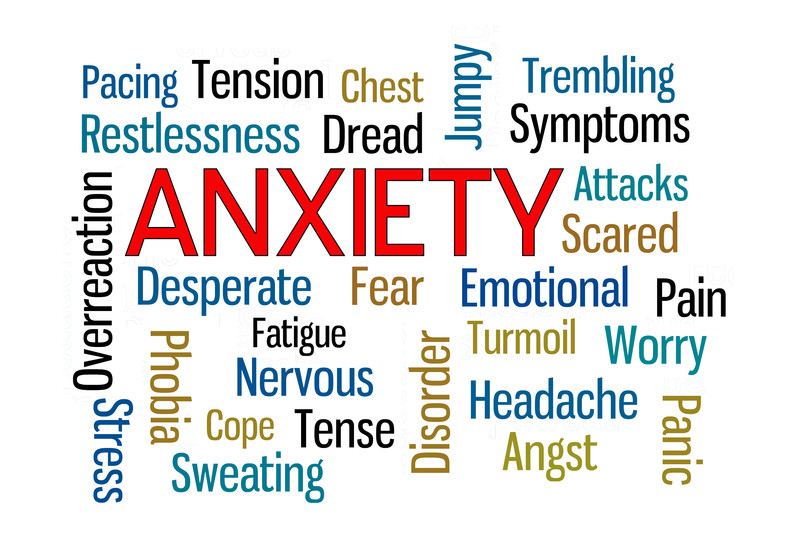
 Every time we feel worried about certain things or fear about the possibilities of what might happen if, a lot of ifs- these are what we call anxiety. Anxiety is a brief, persistent, and extreme feeling of worry, uncertainties, and fear over a tense situation, and fortunately, it is controllable. As a matter of fact, anxiety is reversible, and can be successfully treated naturally if found out through the anxiety symptoms. An anxiety condition is not an accidental, unidentified, and uncontrollable illness, even if it feels like it is. Anxiety conditions come out for precise reasons and have specific reasons and underlying explanations why they continue.
To be able to know if you have anxiety, you should know first the symptoms. Here is some of the anxiety symptoms associated with anxiety disorders. And since each individual has different chemical composition, anxiety symptoms and their intensity may vary from person to person.
The anxiety symptoms we may experience physically are:
Body:
Burning skin sensation
Persistent fatigue
Electric shock feeling
Excess of energy, you feel you can’t relax
Feel like you are going to faint
Feeling cold
Hyperactivity
Increased or decreased sex drive
Muscle twitching
Tightness or stiffness of shoulder, back, and neck
Numbness or tingling in hands, feet, face, head, or any other parts of your body
Persistent muscle tension
Jumpy
Too much sweating
Trembling, shaking
Urgency to urinate, frequent urination
Weak legs, arms, muscles
Chest:
Chest pain or discomfort, tight chest, or tight chest muscles
Concern about the heart
Fell like you have difficulty breathing
Shortness of breath
Frequent yawning to try to catch your breath
Palpitations
Irregular heart rhythms, flutters or skipped beats, tickle in the chest that makes you cough
Head:
Dizziness or light-headedness
Frequent headaches, migraine headaches
Head, neck, or shoulder tightness or stiffness
Overexcitement
Shooting pains in the face, scalp, or head,
Sore jaw that feels like a toothache
Clenching of the jaw or grinding of the teeth
Emotions:
Dramatic mood swings
Emotional blunting
Wrong feeling of emotions
Frequently feel like crying for no reason
Mind:
Fear of going crazy, losing control, fear of impending doom
Frequent feeling of being overwhelmed, or that there is too much to handle or do
Having difficulty concentrating
Racing thoughts or rapid thinking
Obsession about sensations or getting better
You feel like you are carrying the world on your shoulders
Hearing:
Irregular or frequent reduced hearing or deafness in one or both ears
Low rumbling sounds
Ringing in the ears
Mood:
Irritable
Depression
Feeling like things is not real or dreamlike
Have no feeling about the things you used to
Feel like you are pressured all the time
Sight:
Distorted, foggy, or blurred vision
Itchy, dry, or watery eyes
Eye tricks, seeing things on the corners of your eyes that aren’t there, stars, flashes
Eyes’ sensitivity to light
Spots in the vision,
Flashing lights when eyes closed
Deep perception feels wrong
Mouth/Stomach:
Constant craving for sweets
Chocking or difficulty swallowing
Constipation or diarrhea
Dry mouth
Feeling like your tongue is swollen
Frequent upset stomach, bloating, gaseous
Lack of appetite or taste
Nausea or the thought of eating makes you nauseous
Tight throat, lump in throat
Sleep:
Difficulty falling or staying asleep
Frequent bad, odd, or crazy dreams
Hearing sounds in your head that can awaken you
Insomnia or waking up ill in the middle of the night
Waking up in a panic attack
Feeling worse in the mornings
These are some of the prevalent anxiety symptoms, but the symptoms on the list are incomplete and not limited as to what is listed above. It is common for normal people to experience or two of anxiety symptoms, and some may experience them all.

 If you’re running or managing a business and want it to be around for a long time, you need to spend a good part of your time innovating. That’s because, in a fast-moving world, where people expect things to get better and better, and cheaper and cheaper, innovation is your route to getting ahead of your competition.
 Many people have experienced anxiety at some points in their lives. I have and I’m sure most of you have. It keeps us alert and helps us deal with any stressful events that we may encounter. Anxiety can sometimes interfere with our daily life activities, don’t you agree? If we worry, we often can’t concentrate on the things we do, but if we look on the bright side of anxiety, where it can help us handle a situation, I must say that it can be used to our advantage, as well. For example, in an exam, because of fear of not getting the score you aimed, you tend to give your best shot and the result could be higher than you expect. That happens to me, too. And I can tell you, anxiety sometimes can be of big help.
 I used to be a person who worried about imaginary events in the future, and I let my imagination play havoc with me. My worries and my anxiety would not let me focus on whatever I was doing.
 1) Do you have written goals you want to accomplish and if so, tell me about them? You are looking for indications of maturity, focus, planning ability and desire for achievement.
 Every human being is an emotional being. The levels of emotions may be high or low. But when that level is disturbed, you have stress and anxiety. The dividing line between these two negative tendencies is very thin. Your anxiety may be due to stress or your stress may be due to anxiety. Every stress and anxiety has a root cause to it. And the symptoms are the by products of such causes.

 What do you want to be when you grow up? I’m sure you were asked this question at least once when you were a youngster. When asked the question, did you have an answer at the ready, or did you need a few minutes to think about it? We all had dreams of becoming something great, like a fireman, a teacher, or a rock star, just to name a few. Well, how did you do? Maybe you never aspired to be what you set out to be or said that you would become. But then again, things change. The older we get, our tastes change, our view of the world changes, even our goals change.
 It is not easy to deal with your fears, bipolar, or anxiety problems. The first step is that you should talk to a professional who can get you started in the right path of getting better. Getting help from a counselor or other professional is very important and can provide you much help and insights in dealing with your current problem. In addition, here are some techniques a person can use to help manage their fears, bipolar, and anxieties.

 Manhardeep Singh