
 To creatively solve problems you need to get your mind looking in new directions. You can systematically do this by using a list of words, primarily adjectives, to create “what if?” scenarios. You start with the question, “what if it was…” and then insert a word from the list. The “it” in the question is the problem you’re trying to solve, or the solution or situation that exists now.
Using “What If” To Solve Problems
An example will help explain the process. Assume your house is too crowded because you’re running your business from it. You ask, “What if it was…” and insert from the word list, “smaller.” The house is already too small, but could the business be smaller? The word “divided” might give you the idea to keep the business in just one part of the house.
Most words on the list won’t help, so you can go through the irrelevant ones quickly. Don’t automatically dismiss them, though, without a few seconds consideration. “What if it was hopeless?” may seem like a useless question, or it may make you realize that you just can’t keep the business in the house any longer.
As with most problem-solving techniques, it’s important to allow ideas to flow without judging them initially. Don’t stifle the creative process. Evaluate your ideas later, when you’re done with this part.
The Problem Solving Word List
You can create your own list of words. Use adjectives, descriptive phrases, and words that can change your perspective. These could include the following:
What if it was… larger, smaller, farther away, closer, sooner, later, easier, more difficult, higher, fat, rich, short, black, certain, hopeless, newer, boring, casual, subtracted from, cheaper, common, divided, more interesting, extravagant, subtle, or fun?

 Having bad habits in social situations can make you a very unpopular person. You may not even know how others feel about your social blunders. However, if you are acting in ways that are not considered appropriate, people will notice.
 For the most creative solutions you need to get your mind looking in new directions. One of the most systematic ways to do this, is with a list of words, primarily adjectives, to create “what if?” scenarios. The process starts with the question, “what if it was…” and then you insert a word from the list. “It” in the question is the problem you’re working on, or the current solution or situation.
 Everyone suffers when someone on the job has bad habits in the workplace. Bad habits can make for an environment that is unfriendly, unproductive, or even unsafe. You can only correct your bad habits in the workplace if you recognize them.
 Nobody can hurt you without your consent
 Every marriage is just like any relationship. They have their ups and downs, agreements and disagreements and good days and bad days. When you put two people from different backgrounds with different ideas, feelings and expectations together, you simply can’t expect everything to be wonderful all of the time! While some marriages have very serious problems that can only be solved by intense focus and even therapy, most marriages simply become ‘stale’ or uninteresting.
 All students have universal needs such as good study skills, effective time management, academic and social support systems, and recreational outlets. You may be well out of proper direction if one of these is not given value. You can be guided by a good set of goals.
 All the parts of the human body work together, although each one has its especial part to do. The stomach must have a time to rest between meals. The other parts of the body require rest, too. This they usually get while we are asleep. We must not be neglectful and fail to give them enough rest, or they will soon get worn out and give us trouble.
 Have you ever considered why you may be having trouble getting organized? Below are the top five reasons. Check and see if you are falling into one of these traps.
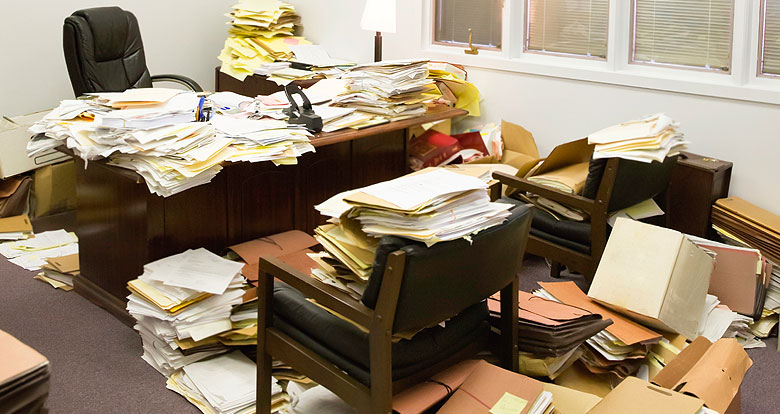 It has been projected we make use of twenty percent of our possessions eighty percent of the time. If we apply this to paper are we in actuality only using twenty percent of the paper fit to bust from our filing cabinets? Hard to see, but pretty probably correct. Below are a few tips to put into practice in your mission to better manage the paper found in your office:
 Manhardeep Singh